In August, Hungary’ first permanent gendarme exhibition opened in Ópusztaszer. The display entitled “Rooster feathered past” was curated by historian Gábor Vincze, who gave an interview to alfahir.hu about the creation of the exhibition, the gendarmerie’s past, and the prejudices that overshadow its memory.
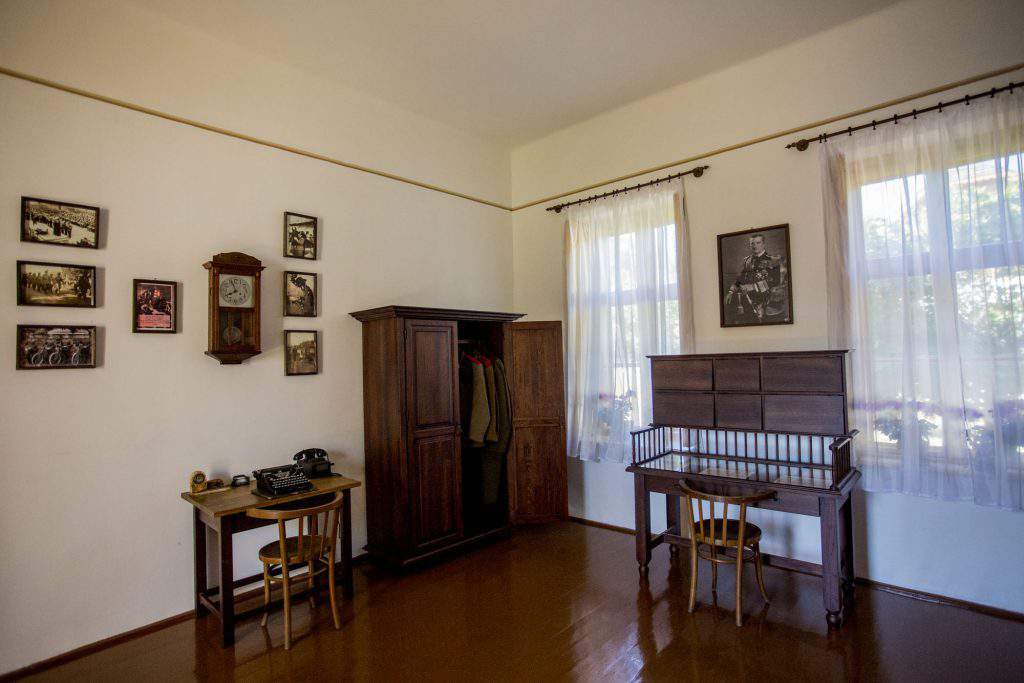
How did the gendarme exhibition come about?
Gábor Vincze: The story spans some six decades. The Hungarian Royal Gendarme Veterans’ Association (MKCsBK) was founded in 1949 by sergeant major Jegenyés Pál, and it aimed to unite those 1500 gendarmes who escaped to the West at the end of the war. The gendarmes, pursued by the Russians, tried to take as many personal items as they could: besides their uniform they took their decorations, documents, photographs, etc. From these items a gendarme exhibition was put on display in Toronto. In the ‘90s, this considerable collection was taken back to Hungary – and it has waited in storage in the Museum of Military History ever since.
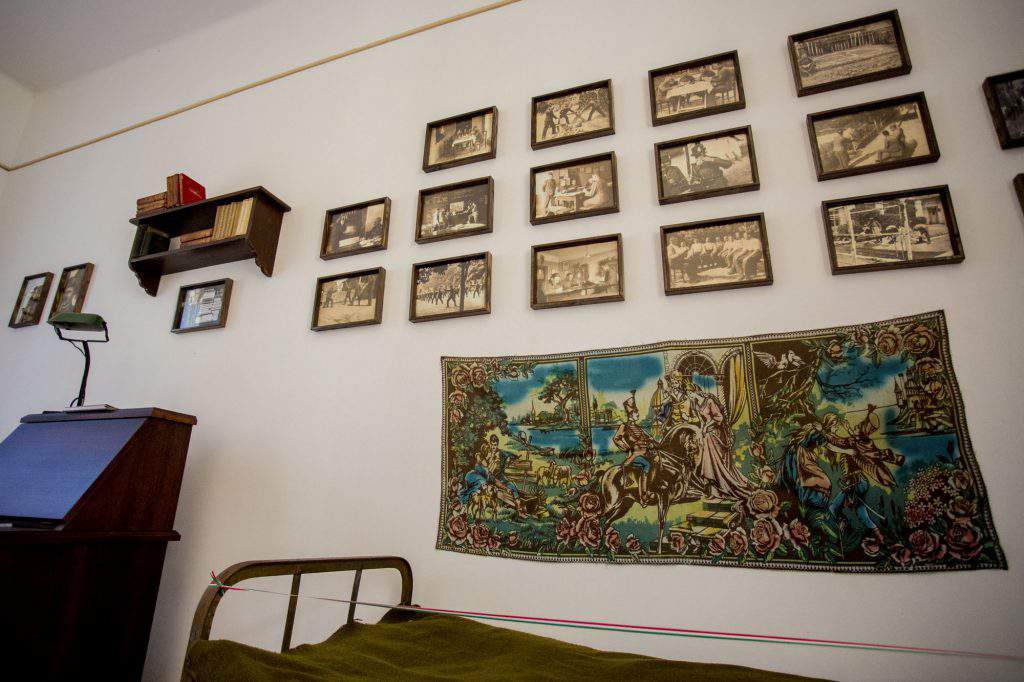
The Hungarian Royal Gendarmerie was created in 1881. The gendarmerie was a militarily organized corps entrusted with guaranteeing public safety in the rural parts of Hungary, which at the time accounted for 90% of the country. (wikipedia.org)
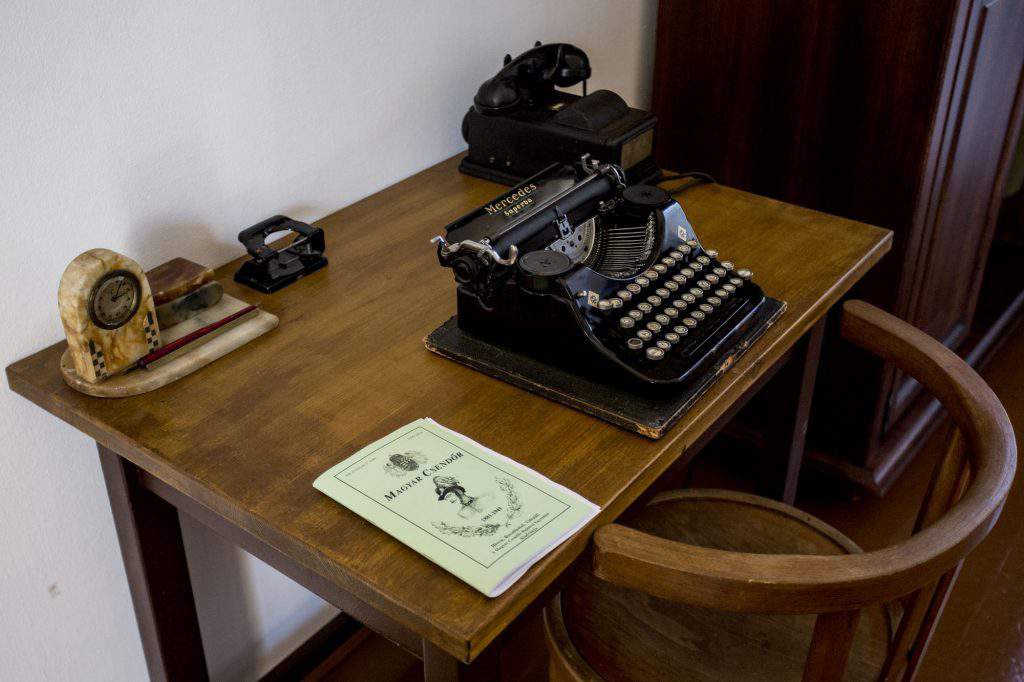
Is everything original at the exhibition?
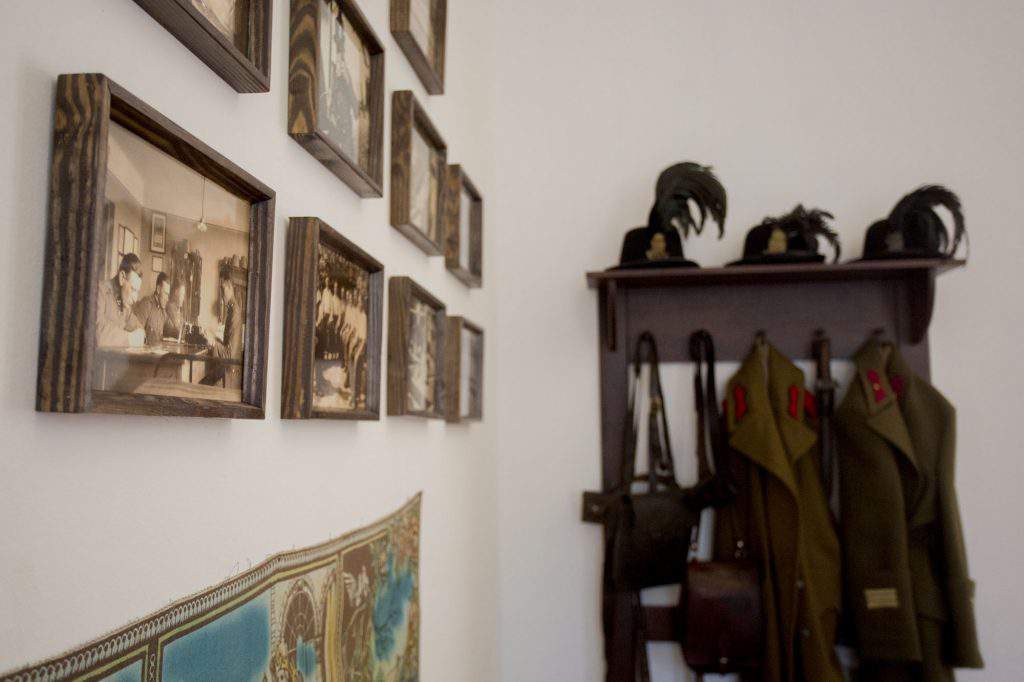
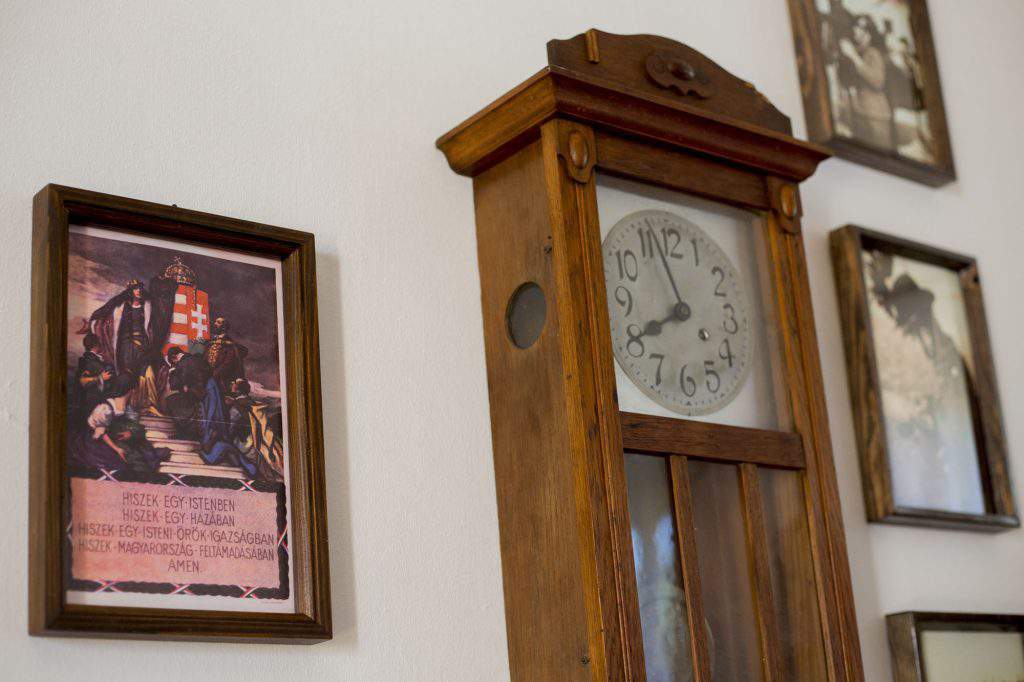
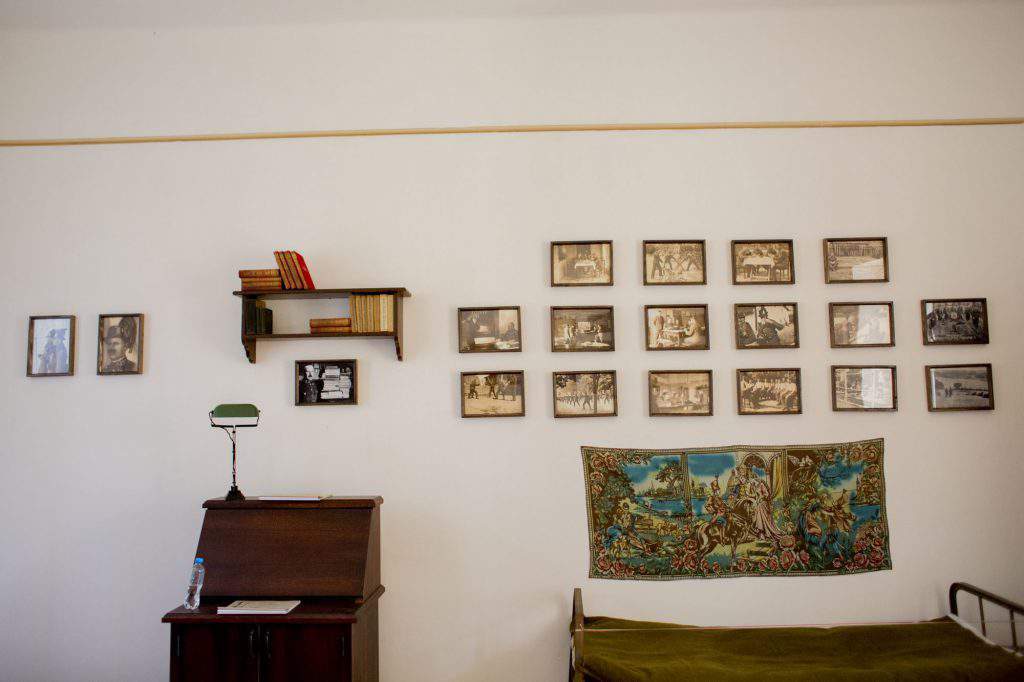
Gábor Vincze: No, but that was not our intention either. It would not have been possible to do it since there are no original pieces of furniture left. What [the visitors] can see here are authentic replicas. The great advantage of these is that visitors can sit down at the desk, look through the documents, or even try on a uniform. We couldn’t allow this with the original items.
What was the everyday life of a gendarme like?
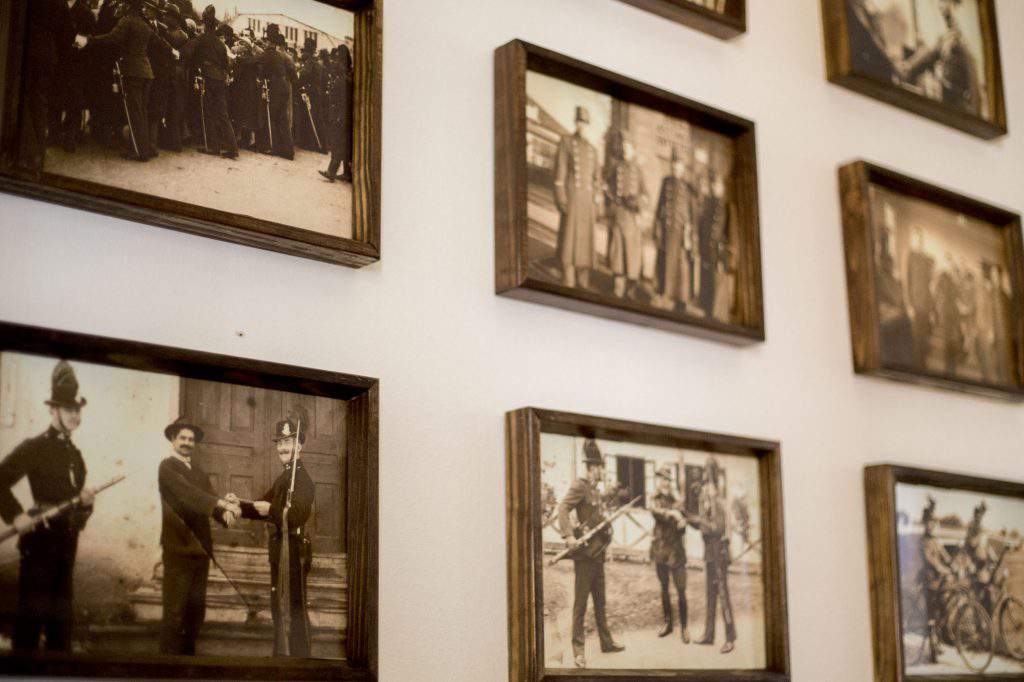
Gábor Vincze: For the most part, gendarmes walked. Their most important job was patrolling the area. There were mounted gendarmes but most of them were on foot – although most of them already had a bicycle in the ‘30s. Not only was their route strictly assigned, they also had to arrive at certain places at a specific time. They never knew when they would be inspected, so they had to follow their schedule very closely. In snow, in pouring rain, in the blazing sun they did their rounds every day. It was hard work. The image of the gendarme as a person who sat around with locals, eating and drinking, often appears in literature, but the reality was very different.

The most distinctive feature of the gendarme, whose uniform was nearly identical to that of army soldier, was a large rooster feather plume affixed to the left side of a black bowler hat. (csendor.com)
When it comes to today’s police, corruption is often mentioned. What was this like with the gendarmes?
Gábor Vincze: Corruption was minimal, basically non-existent, for a very simple reason: gendarmes could not serve in their hometown. For instance, if a lad from Ópusztaszer applied to be a gendarme, after passing his exams, he was stationed in the other side of the country, in Zemplén or Zala county. There, he didn’t have any acquaintances or relatives towards whom he could be biased. To prevent such connections, gendarmes’ stations were often changed.
[button link=”https://dailynewshungary.com/quiz-can-name-hungarian-foods/” type=”big” color=”red” newwindow=”yes”] QUIZ: Can you name these Hungarian dishes?[/button]
The gendarmerie is a controversial topic even today. Many consider them the tools of the Horthy era who oppressed the public. How much of this is true?
Gábor Vincze: This false opinion originates from the fact that, besides maintaining public order and public safety, gendarmes has another role: overseeing political events. They could be ordered to watch over political meetings or other gatherings, or to disperse unauthorized gatherings. If the crowds did not cooperate, gendarmes could resort to violence, which lead to fatal injuries on a few occasions. As for oppressing the public, it is undeniable that there were dishonest or violent members in the gendarmerie, but their numbers weren’t higher than in today’s law enforcement. It was not in the organisation’s interest to turn the local population against themselves through unnecessary violence, since their effectiveness in uncovering criminal activities depended on people’s trust and their willingness to share information. It took a stupid gendarme to ruin these good relations with aggressive behaviour.
What became of the gendarmes after the Second World War?
Gábor Vincze: As I have mentioned, a part of them, about 1500 people, fled the country. Those who stayed had to stand before special screening committees. The “unbiased” nature of these committees is reflected in the data, according to which 98% of gendarmes were not accepted into the then established State Police. The remaining 2% were discharged in a few years as well. Many gendarmes were prosecuted, and a few were executed too. The communist rule considered the former gendarmes reactionary, most of them were under observation and often harassed even decades later.
All in all, were the six decades of the Hungarian Royal Gendarmerie a success or a failure?
Gábor Vincze: Their investigations were incredibly effective. 85-90% of criminal acts were discovered. Due to the constant patrols, gendarmes knew their place of duty and the local population very well. If there was a burglary, or someone stole a horse, the gendarmes almost always knew immediately where to look for the culprit. Another important aspect was the high level of professionalism. Most of the gendarmes were from poor peasant families who completed only a few years of elementary education, but they were continuously trained. They had to have an understanding of contemporary forensic science and law. They needed efficiency to advance. If it took months, or even years for a station to uncover a crime, the commander could hardly expect a promotion. This method could be applied to today’s police as well.
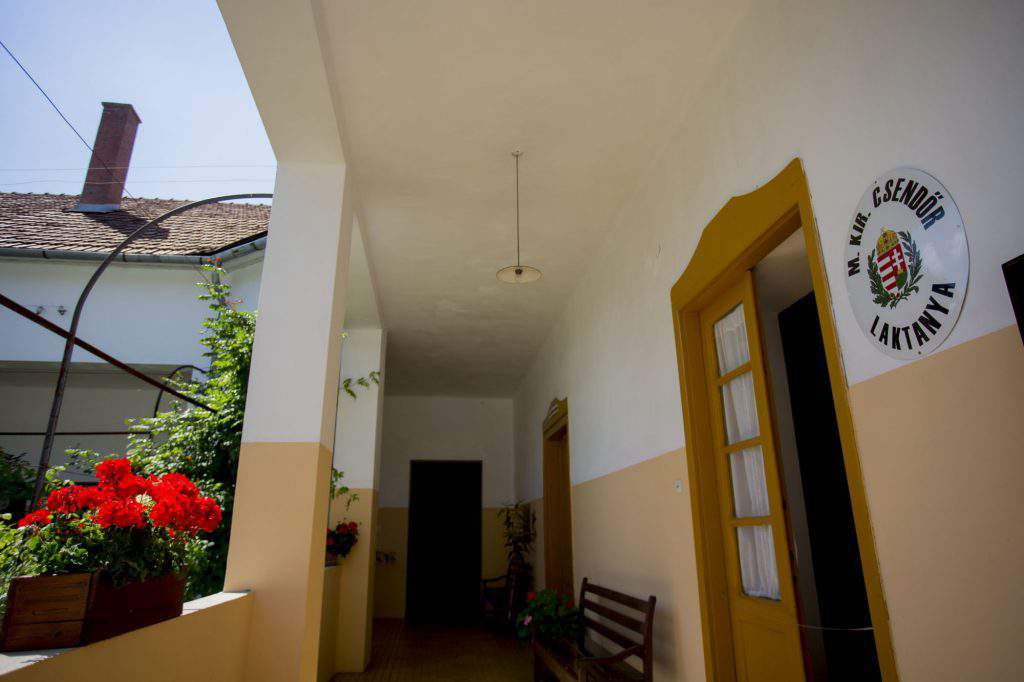
Photos: alfahir.hu
Copy editor: bm
Source: alfahir.hu, wikipedia.org, csendor.com


