Subscribe to our social channels to get the latest news about Hungary!


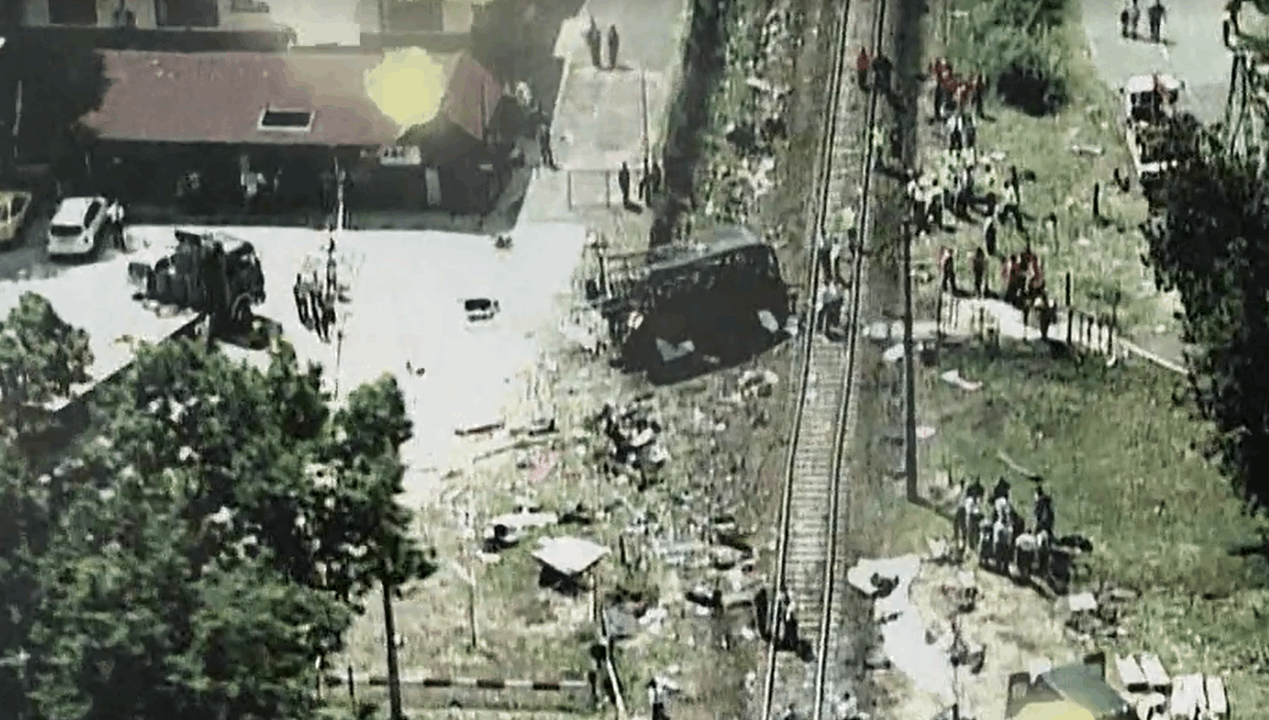
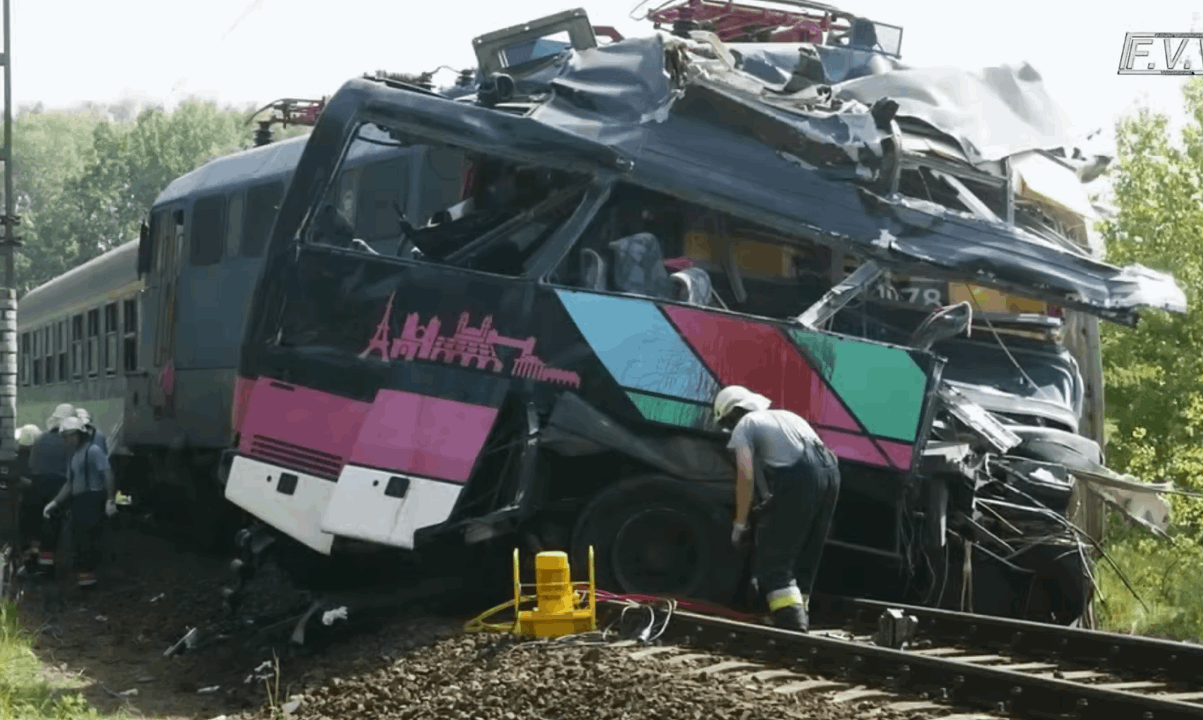
Massive crash, choking dust, the stench of smoke, human body parts and bus fragments scattered everywhere. Then, a deafening silence. That’s how the train engineer, who was not at fault, recalled the tragic event that occurred 22 years ago in an interview on TV2’s Napló program on Sunday. In the wake of the accident, the Hungarian government accelerated the installation of mechanical half-barriers at railway crossings, realising these offered far more protection than lights alone. But the memory of the tragedy lives on in the residents of Siófok, the victims’ families in Germany—and in the train engineer himself, who stayed away from the crash site for more than two decades.
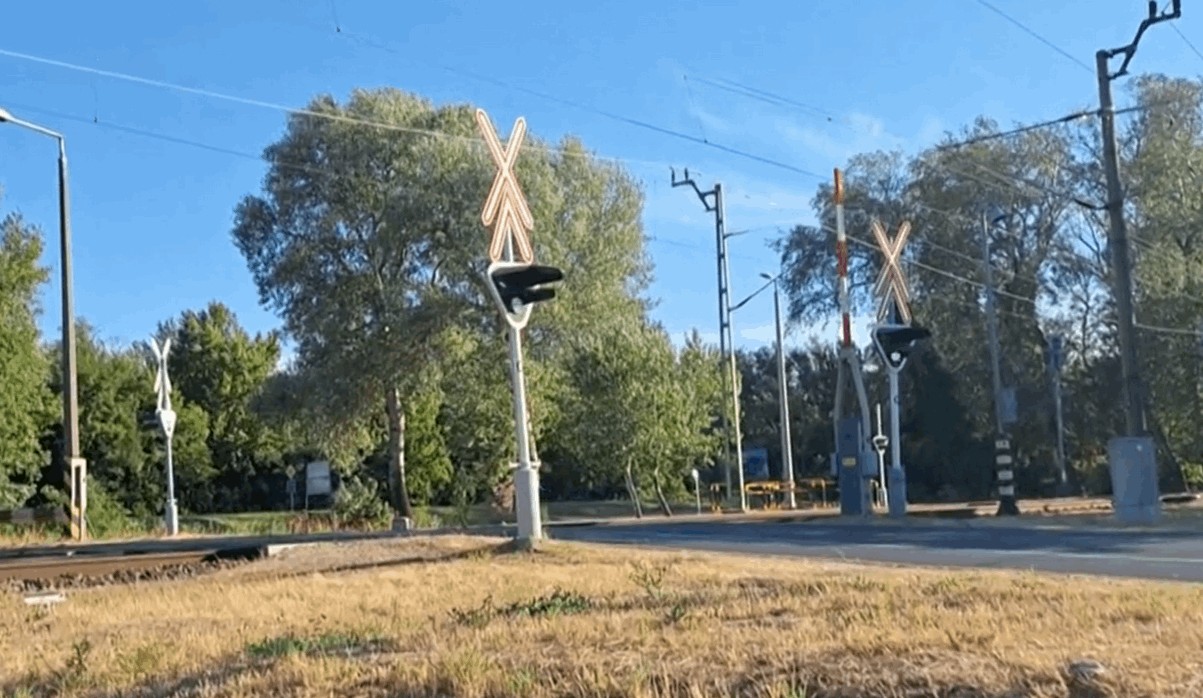
On the morning of 8 May 2003, three German tourist buses left the Lidó Hotel, carrying vacationers—mostly retirees—who were heading to a nearby restaurant for breakfast. Just half a kilometer down the road, at the railway crossing on Darnay Kálmán Square, the signal was still white as the first bus crossed. However, by the time the second bus in the convoy arrived, it had turned red. Debate still continues over whether the driver was blinded by the sun or simply believed he could make it through. There was no barrier at the time. Either way, he pressed on.
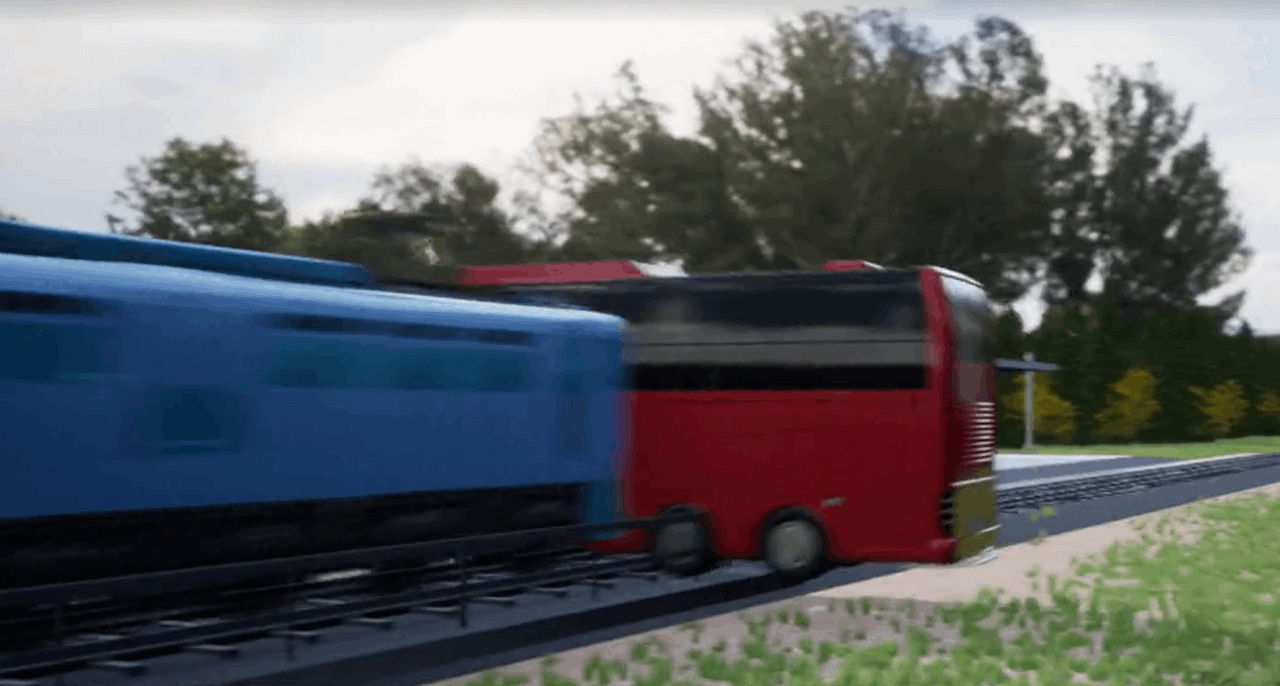
Meanwhile, an express train under the control of engineer Ferenc Kiss was barreling toward the crossing at 100 km/h (62 mph). The train and the bus met at the crossing. Despite Kiss’ relentless horn blasts and emergency braking, there was no time to stop or avoid the collision.
The driver and the engineer locked eyes one last time. We’ll never know what the bus driver—who died on the spot—said, if anything. But Kiss recalls yelling to himself, alone in the cab, “You’re finished, you poor soul. What did you do?”
Only five people on the bus survived, including a Hungarian tour guide. Four passengers died in transit or later at the hospital. Twenty-nine died at the scene. One victim was found only after an extensive search—in the locomotive’s engine compartment. It remains one of Hungary’s deadliest transportation disasters of the new century. Then-Prime Minister Péter Medgyessy rushed to the site, and efforts intensified to equip crossings with mechanical barriers. The light signal simply wasn’t enough.