Subscribe to our social channels to get the latest news about Hungary!


Budapest is not your typical Central European city: it both preserves the legacy of history and constantly reinvents itself. Built on two banks of the Danube, the capital’s unique character lies in the contrast between the quiet, mountainous Buda and the bustling, flat Pest. Yet this contrast is not a divide, but rather a harmony: past and present meet in style—be it in architecture, gastronomy, or culture.
For us Hungarians, Budapest is more than just a capital—it is also increasingly attracting the attention of international visitors. The New York Times recently published a detailed article offering a fresh perspective on how to explore this city of a thousand faces over a long weekend.
This guide includes not only the must-see tourist attractions, but also the places where you can truly experience Budapest’s creative, cosmopolitan, and occasionally slightly quirky soul. From gastronomy lovers to art enthusiasts, from vintage shop explorers to those seeking the tranquillity of a thermal spa—there’s something for everyone.
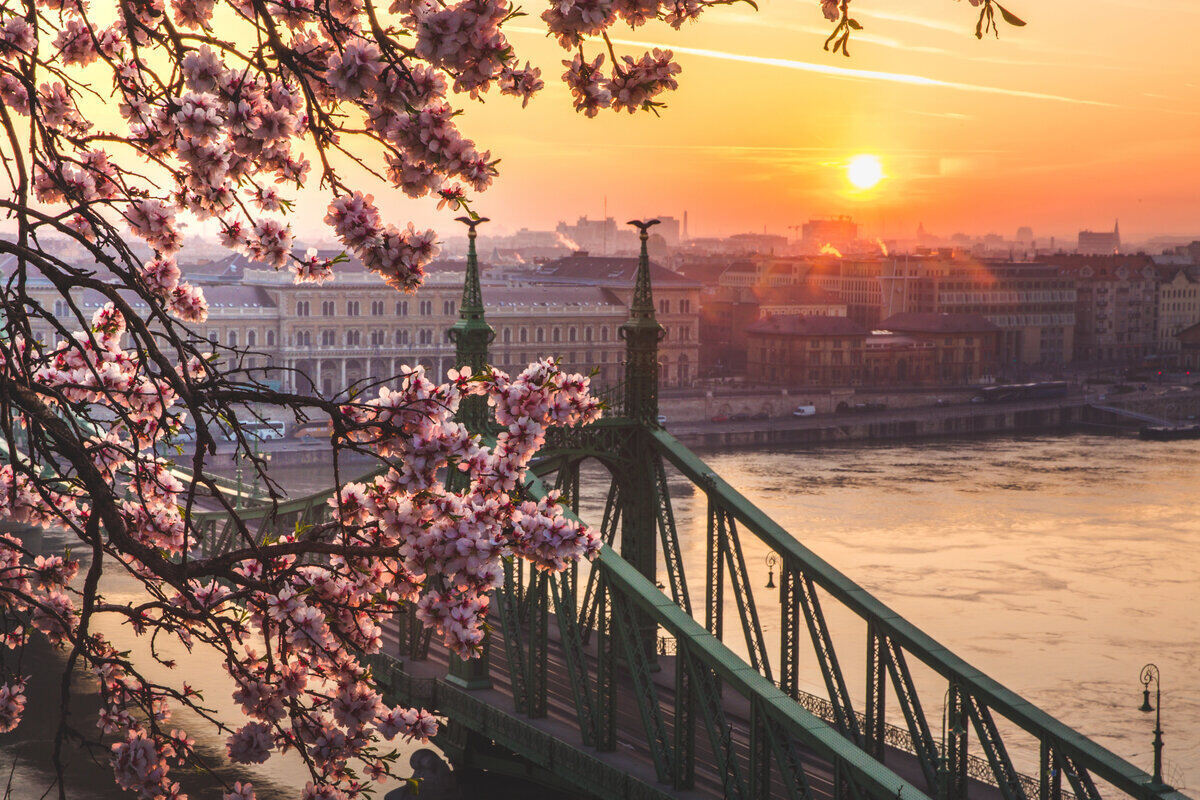
Remnants of the Roman era can still be found in the city: the Aquincum Museum and Archaeological Park, for example, offers an authentic insight into ancient life—streets, baths, temples, and even remains of the cult of Mithras. If you’re interested in the Middle Ages or the 19th century, visit the Dohány Street Synagogue, Europe’s largest building of its kind, which is both a spiritual and historical site.
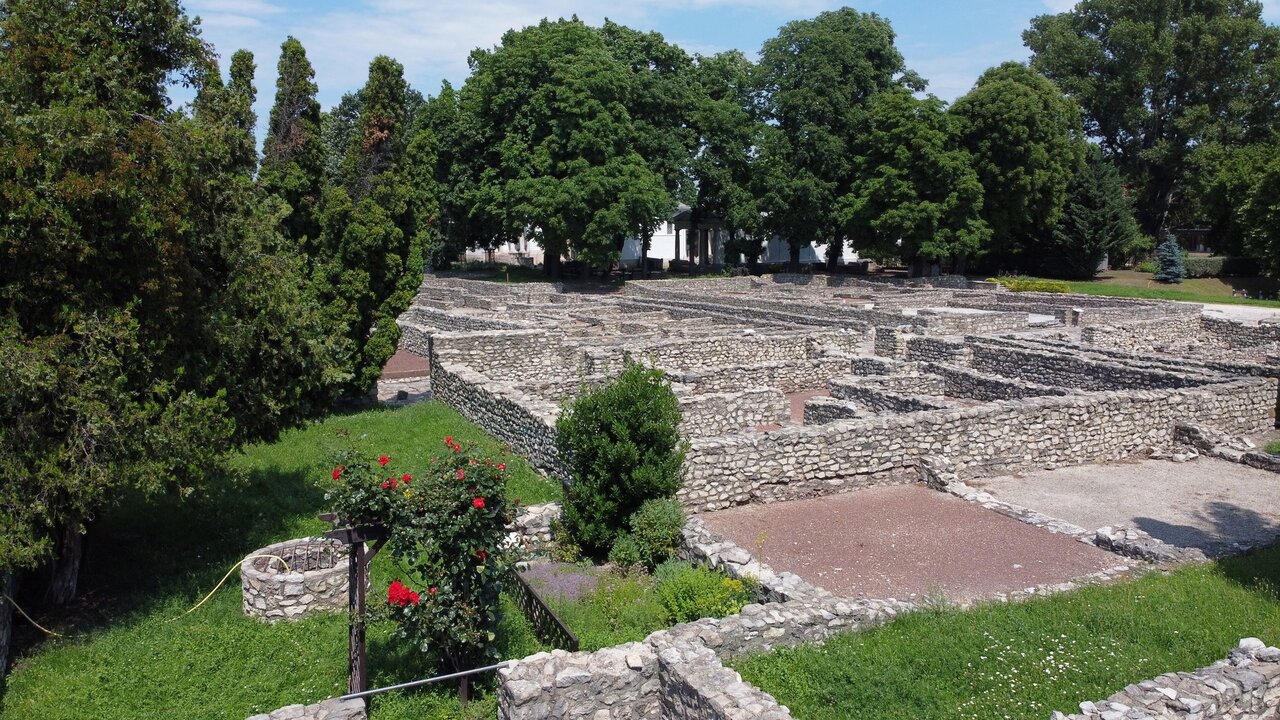
Classic attractions such as Heroes’ Square, the Széchenyi Baths, and the Stadtliget Park are also must-sees during any city adventure—especially as their surroundings have been renovated in recent years. The Museum of Ethnography, for instance, now offers a unique experience not only in terms of its exhibitions, but also its remarkable architecture.
Budapest’s cultural scene is a vibrant one. The Robert Capa Contemporary Photography Centre presents the work of an iconic figure and world-renowned Hungarian-born war correspondent through a new permanent exhibition. Massolit Café and Bookshop is the ideal destination for those wishing to immerse themselves in Hungarian literature, with English translations available to help with integration and understanding.
If you’re drawn to alternative or underground art, Kahan Art Space or Komondors—part vintage shop, part event venue—will give you a fresh perspective on the familiar gallery concept. Expect DJ sets, late-night fashion shows, and coffee: this is creative Budapest at the weekend.

The gastronomic boom of recent years has turned Budapest into the culinary hub of the region. For those seeking traditional flavours with a contemporary twist, Stand 25 Bistro offers dishes such as goulash soup, noodles with walnuts, and Somló dumplings elevated to a fine-dining level. For more adventurous diners, Textúra or Goli may be just the thing. The former plays with contrasting textures—think crispy sage leaves paired with creamy celeriac purée—while the latter serves Middle Eastern-inspired dishes over an open flame (vegan labneh or lamb with grapes, for example), delivering a rich gastro-cultural experience.