Subscribe to our social channels to get the latest news about Hungary!


Budapest’s council has come up with a bold transport reform: the introduction of metro buses, promising faster and more efficient public transport for the people of Budapest.
The idea is that these vehicles will take passengers directly from the suburbs to the city centre, reducing the number of transfers and journey times. The project aims to reduce car traffic and make public transport more attractive, but there are serious questions about how it will be implemented.
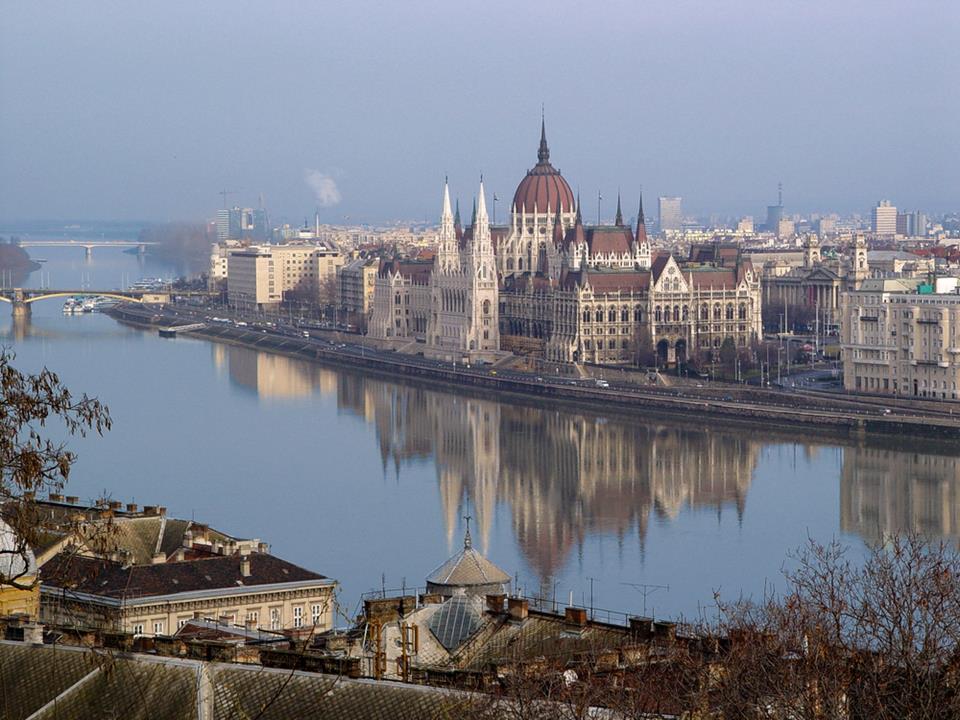
One of the most controversial factors is the financing of the investment. According to Index, the capital’s management would raise funds for the introduction of the new buses by increasing ticket prices. A leaked document shows that almost all types of tickets would become more expensive, for example, the regular ticket would rise from HUF 450 (EUR 1,11) to HUF 500 (EUR 1,24) while the on-board ticket would rise from HUF 600 (EUR 1,48) to HUF 750 (EUR 1,85), an increase of 25%. Significant price adjustments are also planned for other types of ticket, justified by inflation, adjustment to price levels in rural areas and large cities abroad, and increases in average earnings.
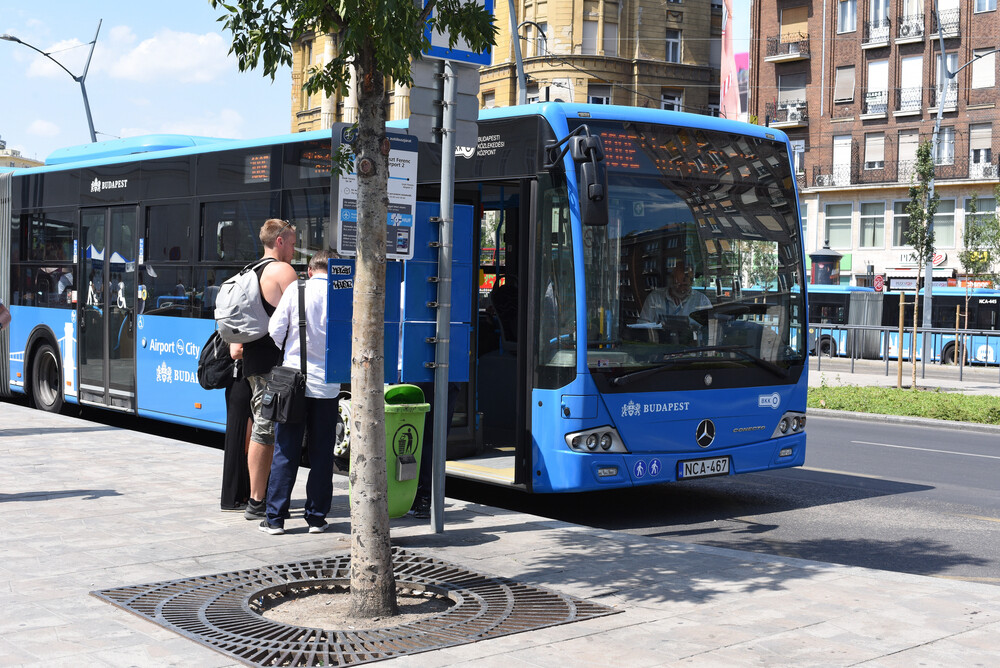
The proposed fare increases would bring BKK an extra HUF 880 million (EUR 2 million) per year, but the move leaves many questioning whether the extra spending is really justified to improve transport. In addition, the justifications for the fare increases include measures such as the extension of the night metro, the development of the parking app, or changes to the 100E line. These factors raise the question of how much the metro buses are really at the heart of the project.
The plans have not been without controversy. Dávid Vitézy, leader of the Podmaniczky Movement, has openly criticised the idea, calling it a complete miscalculation. According to him, the city government should focus on improving tram transport, as Budapest is traditionally a tram city. He stressed that the name “metro bus” is just a marketing gimmick and does not really involve any major infrastructure development, but rather a reorganisation of the existing bus network.