Subscribe to our social channels to get the latest news about Hungary!


A Hungarian-owned company, MET Group, is set to supply natural gas to Transnistria, Moldova’s breakaway pro-Russian separatist region. This development comes after the region rejected further financial aid from the European Union (EU), according to reports by Bloomberg.
As Telex writes, according to Bloomberg, Transnistria, which has relied on nearly free Russian gas for over two decades, faced a severe energy crisis after Russia halted gas supplies via Ukraine at the end of 2022. This disruption led to widespread power outages and a lack of heating for the region’s population of over 350,000 people. In response, the EU provided EUR 20 million in emergency funding to cover gas purchases between February 1 and February 10. However, the separatist authorities declined an additional EUR 60 million in EU support due to conditions requiring gradual increases in consumer tariffs.
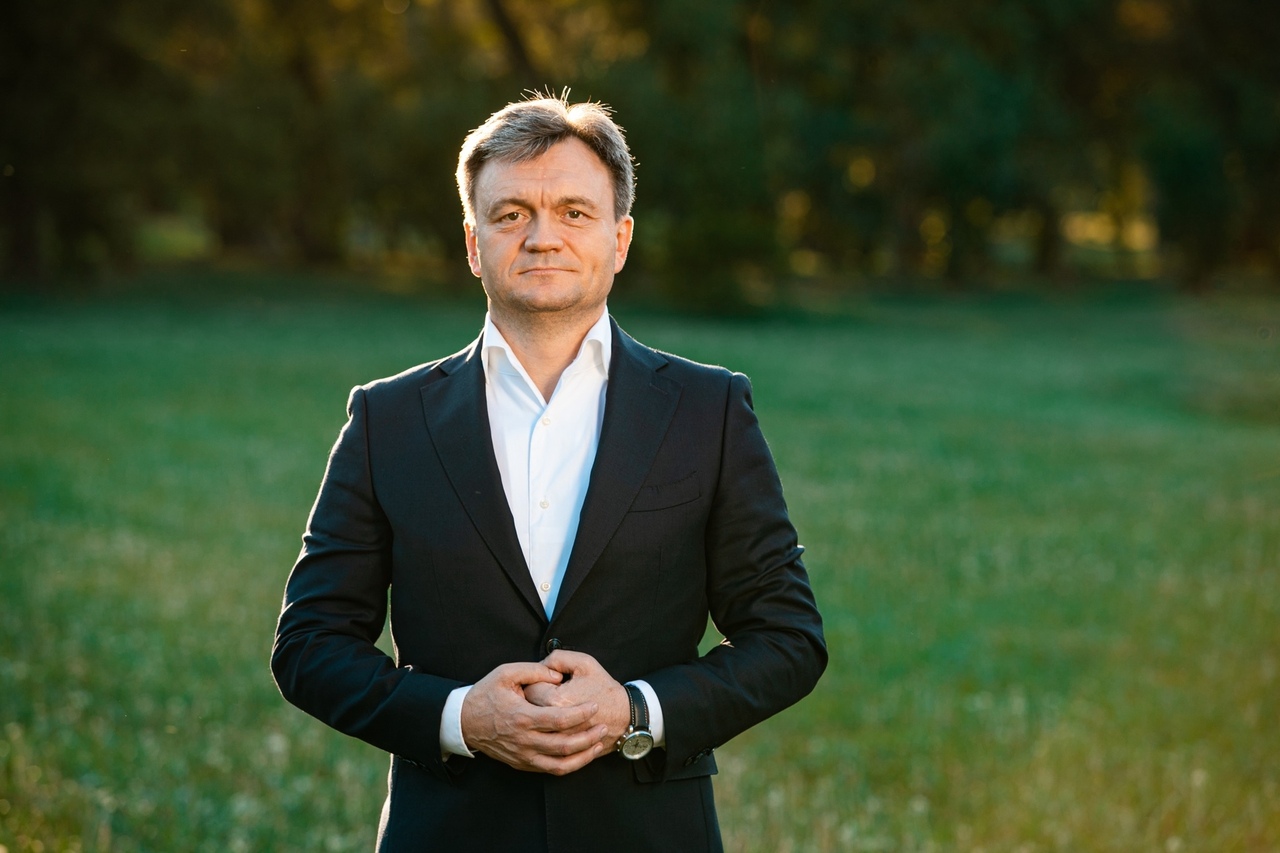
Moldovan Prime Minister Dorin Recean criticised Transnistria’s decision, stating that it perpetuates uncertainty for residents regarding their energy supply. Nevertheless, he emphasised that Moldova would not block gas deliveries to the region, ensuring that people on the left bank of the Dniester River do not suffer from freezing conditions.
Under the agreement, MET Group will deliver gas to Moldova’s border. From there, Moldovagaz will transfer it to Tiraspoltransgaz, Transnistria’s gas distributor. The Swiss-based MET Group, with majority Hungarian ownership, confirmed its readiness to supply gas across Europe, including Moldova, provided logistical conditions are met. The Dubai-based JNX General Trading LLC will handle payments for the gas, while Tiraspoltransgaz has committed to prepaying transit fees through Moldova.
The arrangement is still provisional. MET Group has stated it will finalise the deal only if it ensures compliance with international sanctions and avoids obstacles from Ukraine. While alternative routes through Romania and Moldova exist, they have limited capacity, making transit through Ukraine the most practical option.