Subscribe to our social channels to get the latest news about Hungary!


A certain air of mystery surrounds the figure of László Almásy, and the release of the world-famous film The English Patient did little to dispel it. Almásy constantly pushed his own limits while becoming entangled in the events of World War II. Even among his contemporaries, he was something of a legend, but defamatory writings about him began to emerge early on, intensifying with the rise of the communist regime. An article by Ferenc Kanyó from Helló Magyar.
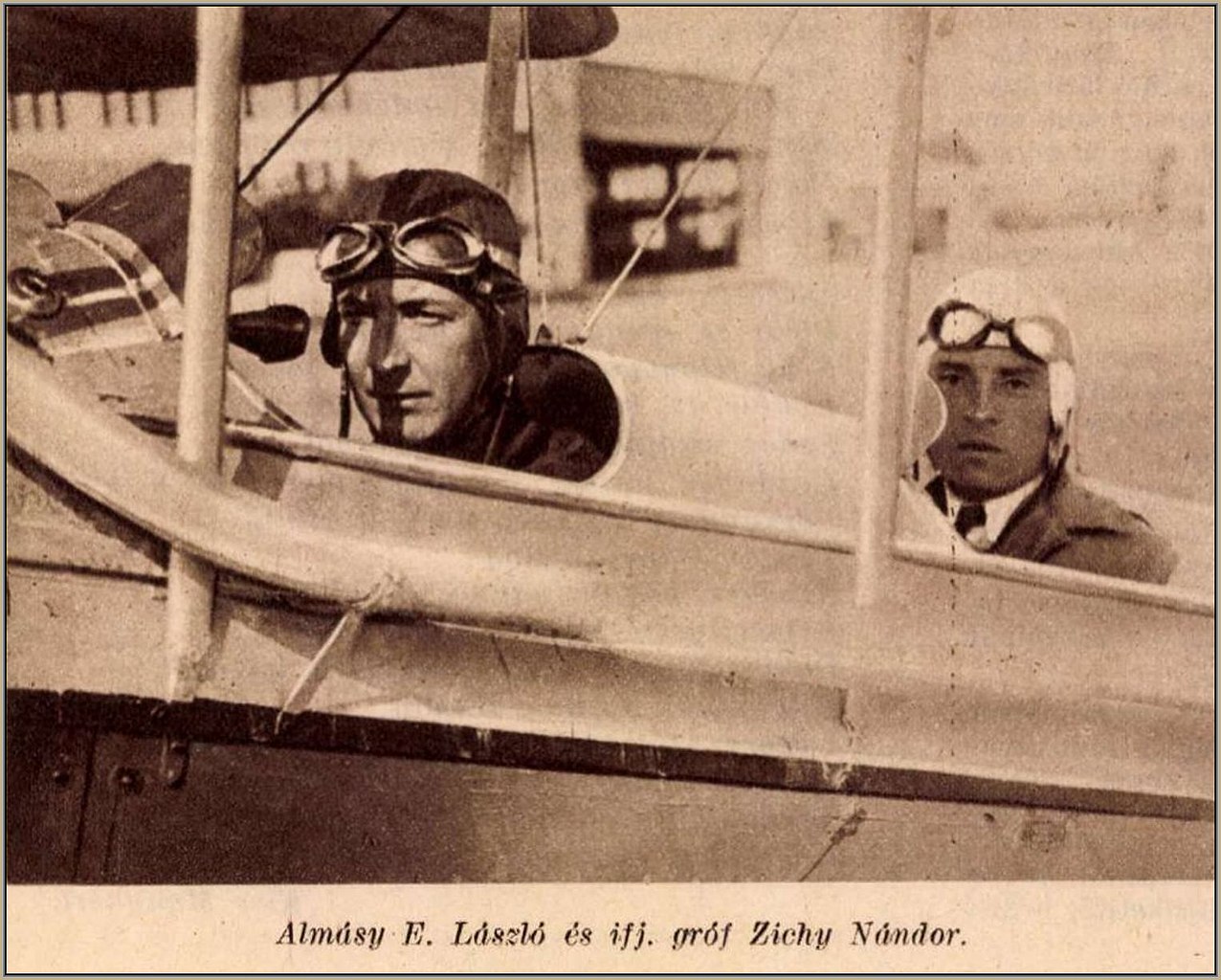
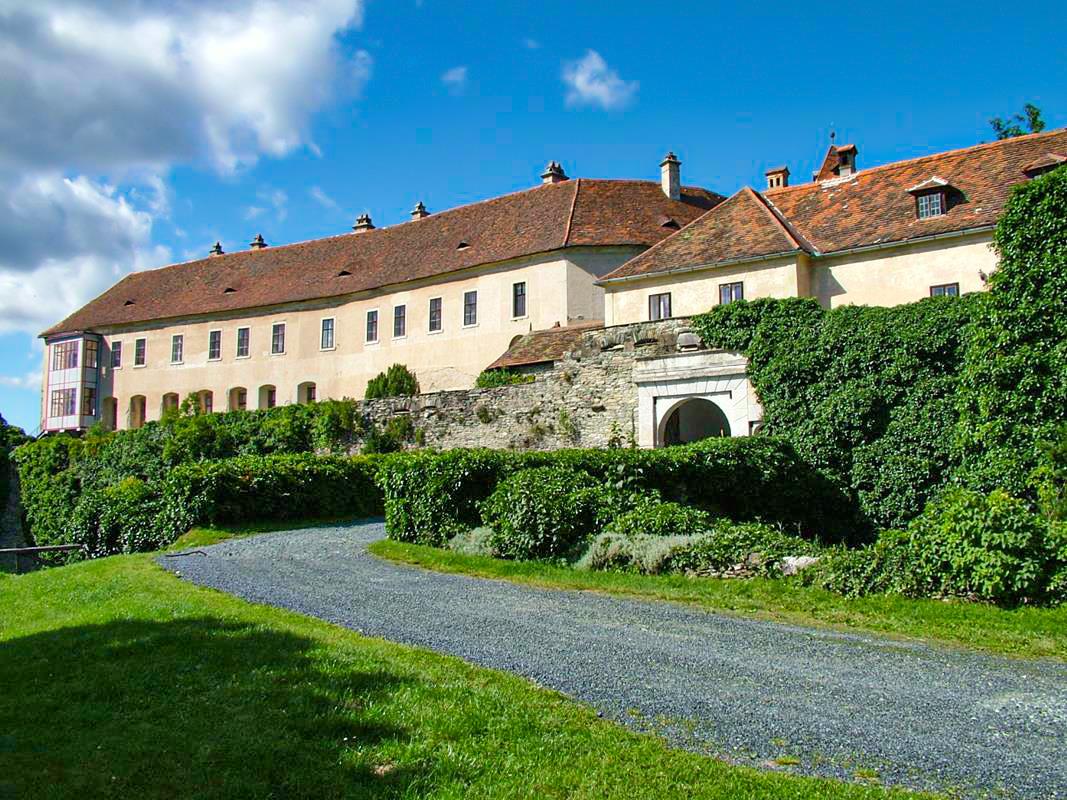
László Almásy was born in 1895 in Borostyánkő (now Bernstein, Austria). Even at this early stage of his life, a minor legend formed around him—he was often addressed as a count. Although his family was of noble descent and bore the titles “of Zsadány and Törökszentmiklós,” they never actually held a count’s title. His grandfather, Eduárd Almásy, acquired Borostyánkő through purchase. According to one of László Almásy’s letters, it was suggested that his grandfather submit a petition for the title, which King Charles IV approved. However, Eduárd passed away before the process was completed, and his heirs never finalised the request in Hungary.
When Charles IV attempted to reclaim his throne, László Almásy took part in the events as the private secretary of János Mikes, the Bishop of Szombathely. (At this time, left-wing propaganda first accused him of homosexuality, claiming he was the bishop’s lover.) Since he had previously learned to drive, he often chauffeured key figures during important meetings, including Charles IV himself. It is uncertain whether he supported the king’s second return attempt. If he did, he remained silent about it, as the Horthy regime took harsh action against the participants of the second attempt, unlike the first.
Almásy had learned to fly while studying in Great Britain. His passion for exploration was likely inspired by his father, György Almásy, who travelled extensively in Asia. During World War I, he served on multiple fronts—first on the Eastern Front, then from 1916 on the Italian Front, and later in Albania. However, due to the restrictions imposed on aviation in Hungary following the Treaty of Trianon, he temporarily shifted his focus to automobiles.
Almásy had already tested his limits with cars—he finished second in the Hortobágy-Balaton Tour and participated in numerous car races—but it was an African expedition that brought him true recognition. Accompanied by his brother-in-law, Antal Esterházy, he crossed the Libyan and Nubian Deserts in a Steyr automobile, travelling from Alexandria to Khartoum, the capital of present-day Sudan. Their 3,000-kilometer journey gained international attention, as they reached areas previously considered inaccessible by car. This achievement led to Almásy becoming something of a brand ambassador for Steyr, testing new models in the desert until the Great Depression shook the Austrian company’s financial stability.
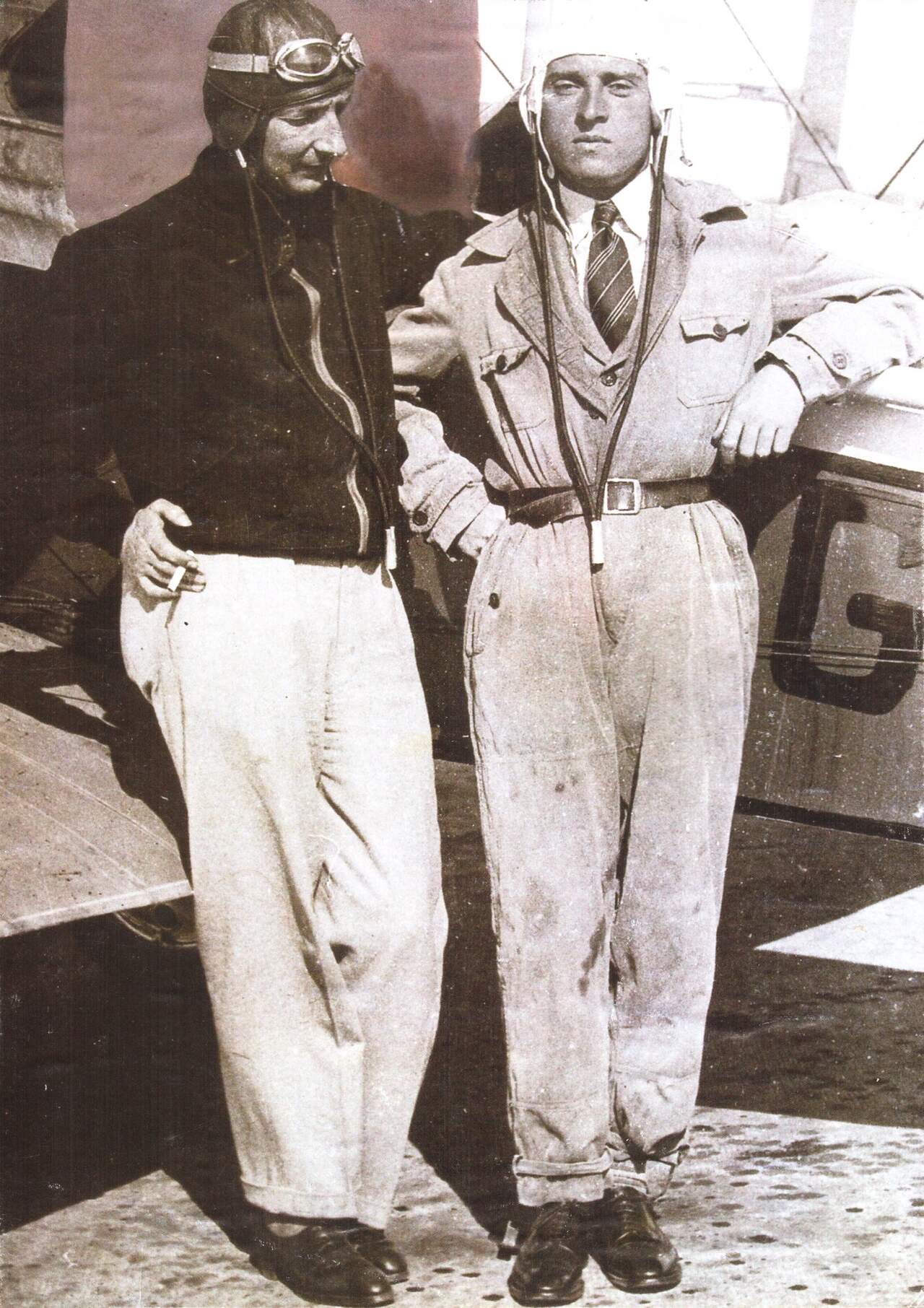
In 1931, he embarked on an aerial exploration with Nándor Zichy from Türkiye to Africa, but near Aleppo, their plane crashed, and the expedition they had planned to join proceeded without them. By 1932, however, László Almásy had reached the Zarzura Oasis. In 1933, with a sponsor backing him, he set off on another expedition with geographer László Kádár. In the Libyan Desert’s mesa formations, he made a groundbreaking discovery—ancient human and animal depictions. These paintings, which also portrayed plants and water, led him to conclude that the region had once been periodically or permanently covered by water. He remained in Egypt until 1939, returning to Hungary out of fear of British internment at the onset of World War II.


