Subscribe to our social channels to get the latest news about Hungary!


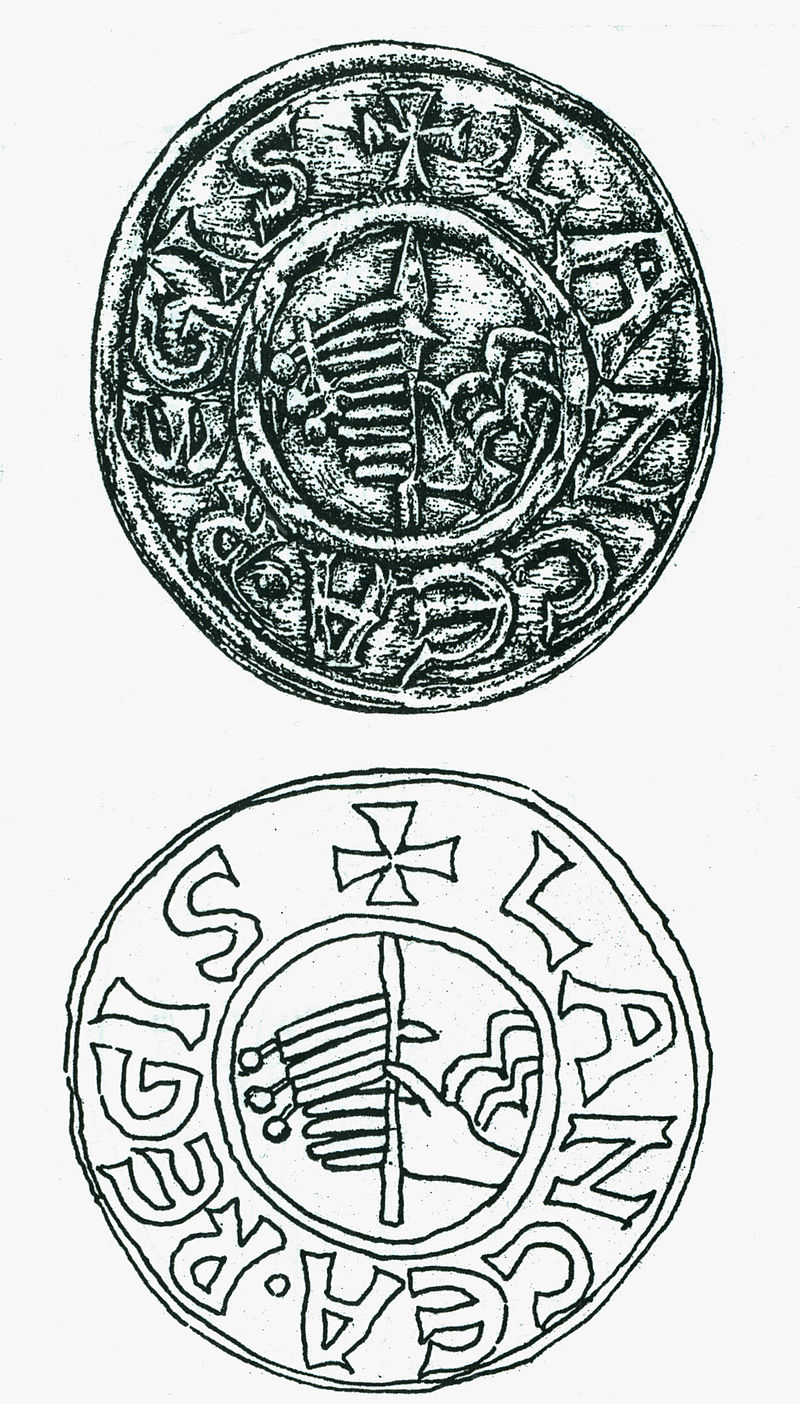
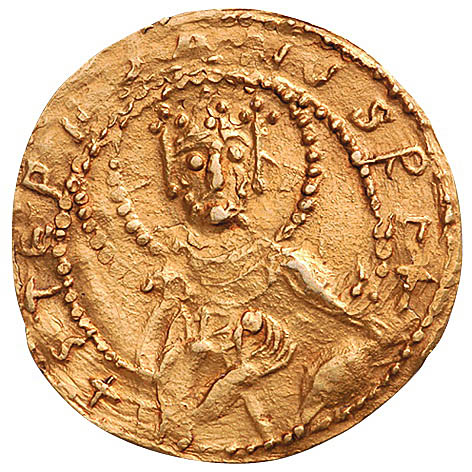
Saint Stephen (r. 997/1000–1038), the first Christian king of Hungary, was an extraordinary ruler who secured Hungary’s independence from the great powers of his time and introduced its earliest coins, which were locally minted. Historians have long been aware of his obol, but a denarius attributed to his reign was recently unearthed near Nagyharsány. Furthermore, only three examples of his golden solidus are known to exist worldwide.
In 896, the Hungarian tribes conquered most of the Carpathian Basin, completing their conquest in 900 with the occupation of Transdanubia, which had been part of Bavaria. In 902, the Hungarians destroyed Great Moravia, and in 907, they defeated the East Franks at the Battle of Pressburg. The importance of this victory is detailed in THIS article.
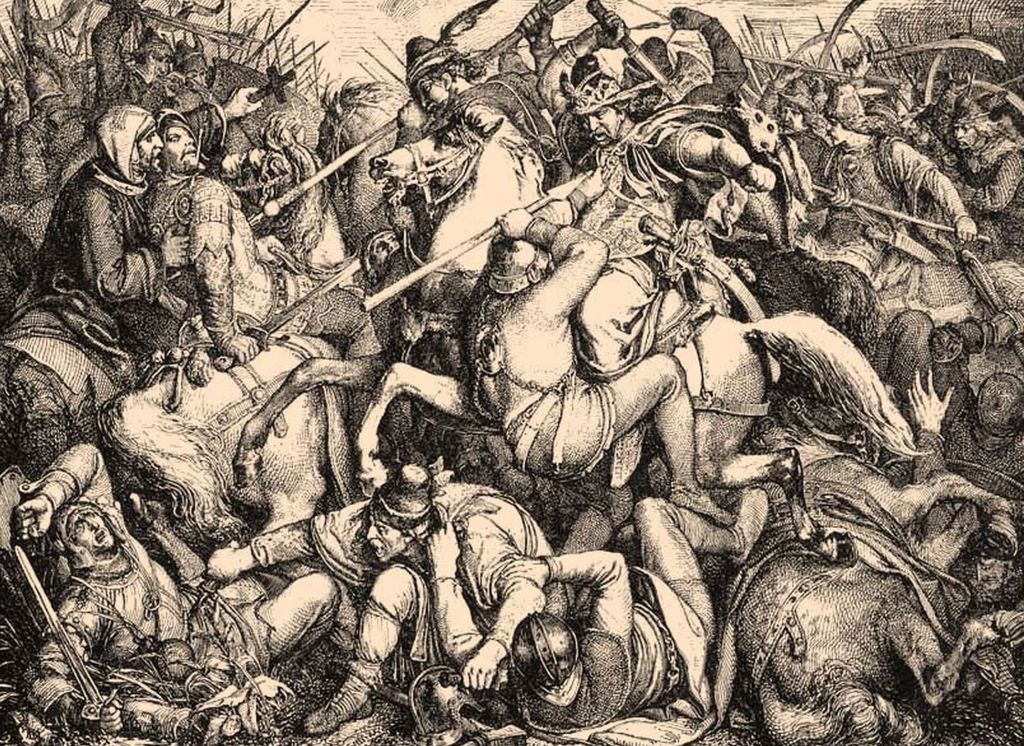
After successfully occupying the Carpathian Basin, the Hungarian tribes frequently launched campaigns into Western and Southern Europe. However, over time, their enemies adapted to Hungarian war tactics, and by the 950s, the tribes suffered repeated defeats. Simultaneously, the power of the rulers over the various tribes began to weaken, and the Hungarians faced the threat of assimilation or extinction if changes were not made.
Fortunately, Grand Prince Géza (~970–997) recognised the danger and decided to lead Hungary into the Christian world, believing this was the only way to secure his dynasty’s survival. His strategy was successful: he baptised his son and arranged for him to marry Gisela, the daughter of Henry II, Duke of Bavaria.
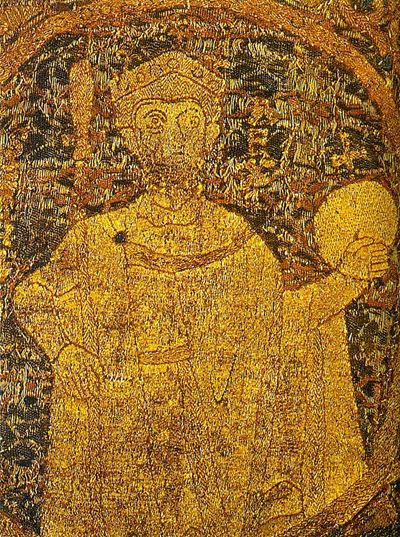
Stephen I became a highly successful ruler, overcoming his rivals, establishing the fundamental institutions of Christian and feudal Hungary, founding an independent Hungarian church, codifying laws, and minting the earliest coins in Hungary.
The production of coins symbolised wealth, strength, and independence during the Middle Ages. Saint Stephen minted at least two types of the earliest coins in Hungary: the obol and the denarius. The obol, worth half a denarius, and both coins were made of nearly pure silver. These earliest coins followed Western designs, while his golden solidus adhered to Byzantine patterns, reflecting Stephen’s efforts to balance the influence of the two dominant superpowers of the era.
The obol was well-documented by Hungarian historians and followed Bavarian (German) designs, resembling coins minted by Henry II, Stephen’s father-in-law. The obverse of the coin bears the inscription “STEPHANUS REX” (King Stephen), while the reverse reads “REGIA CIVITAS” (royal city), likely referring to Esztergom, the seat of the king and the church at the time. These earliest coins were likely minted after 1015 to facilitate domestic trade. Some taxes and customs were probably paid using these coins, which were widely circulated. Archaeologists have found examples in Poland, Saxony, and even some Scandinavian countries.