Budapest is one of Europe’s most stunning capitals, where natural beauty, cultural heritage, and architectural masterpieces combine in perfect harmony. The city has been renewed countless times throughout its history while preserving its iconic landmarks.
Travellers of centuries past discovered the same charms we enjoy today, although the passage of time and the storms of history have brought many changes. Let’s take a closer look at some of Budapest’s best-known landmarks that have defied time for generations.
Photo: depositphotos.com
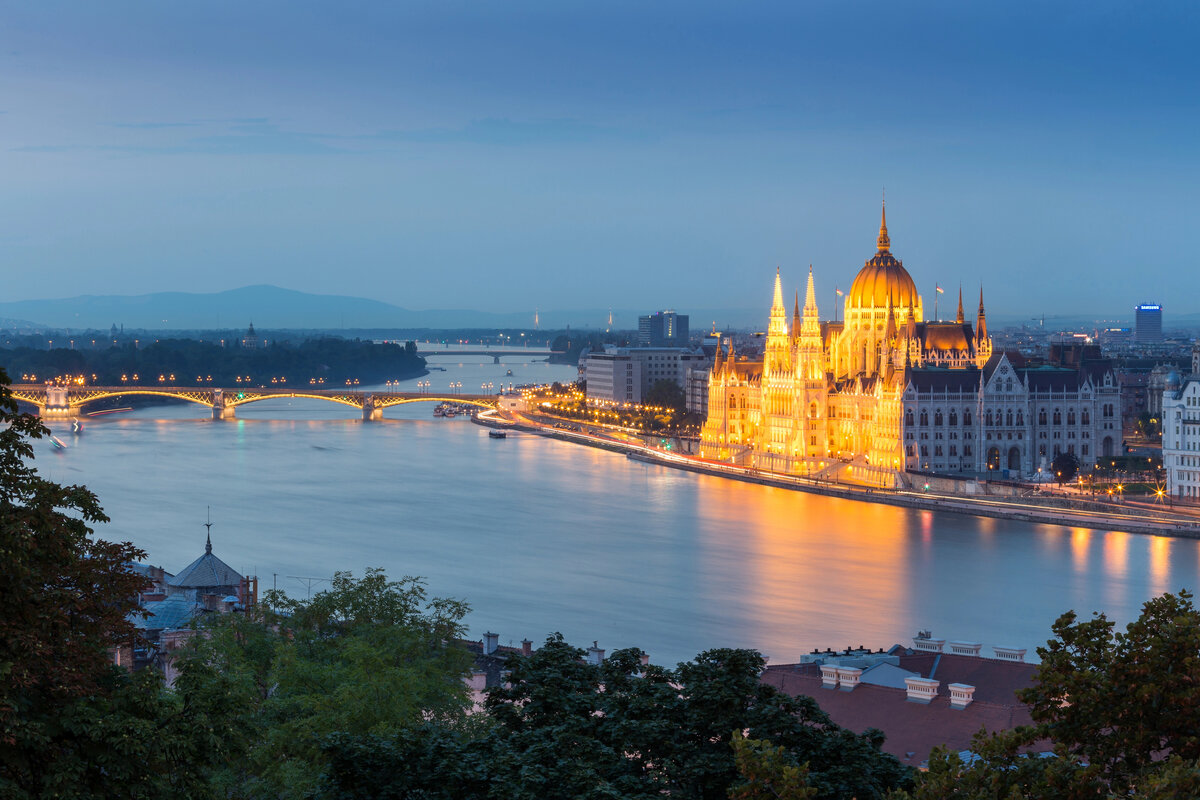
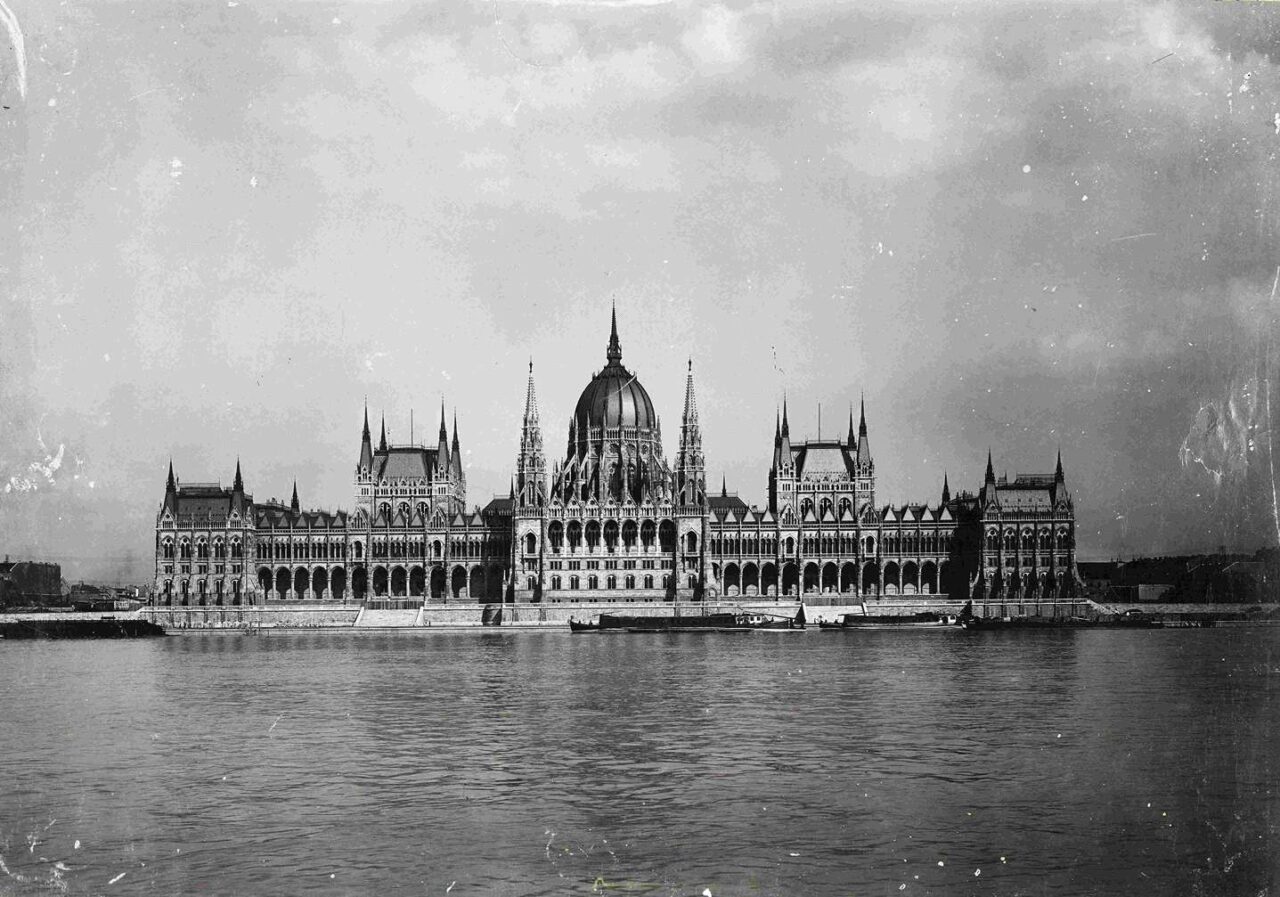
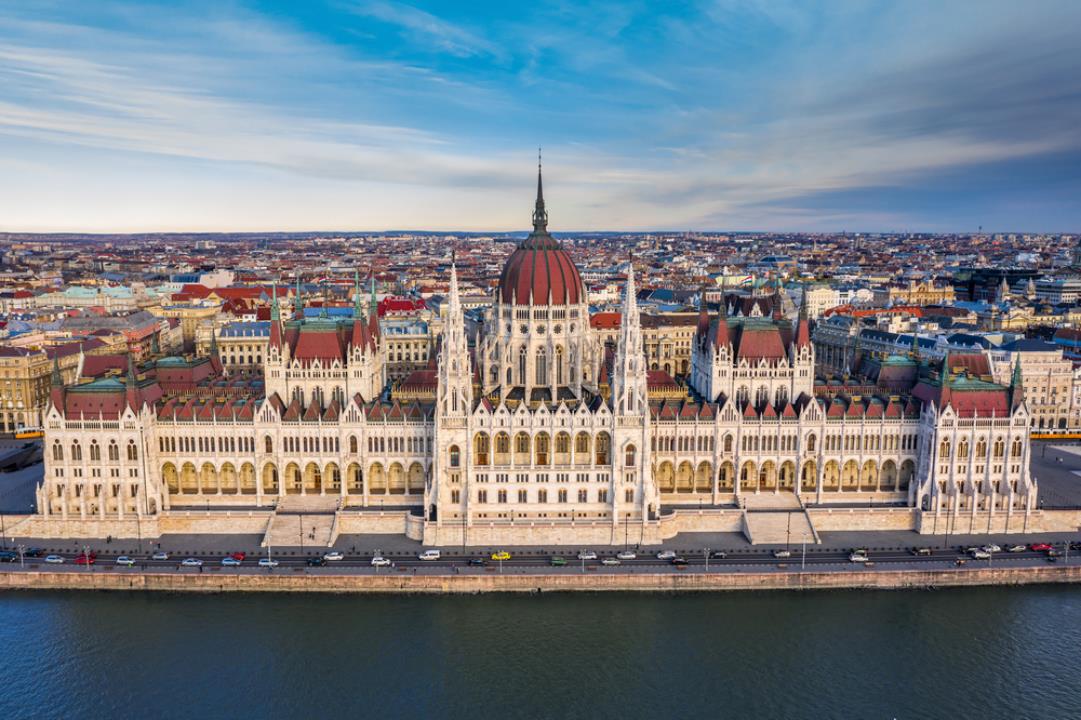
The Hungarian Parliament: The symbol of history and sovereignty
According to Travelo, the Parliament is the most famous building not only in Budapest but in Hungary. Built between 1885 and 1904, this neo-Gothic structure is awe-inspiring due to its sheer scale and detailed decoration. The 96-metre-high building is a symbol of the country’s history and sovereignty and was constructed almost entirely from local materials. It is an important landmark on the Danube and has been a UNESCO World Heritage Site since 1987.
Source: Fortepan / Budapest Főváros Levéltára / Klösz György fényképeiPhoto: depositphotos.com
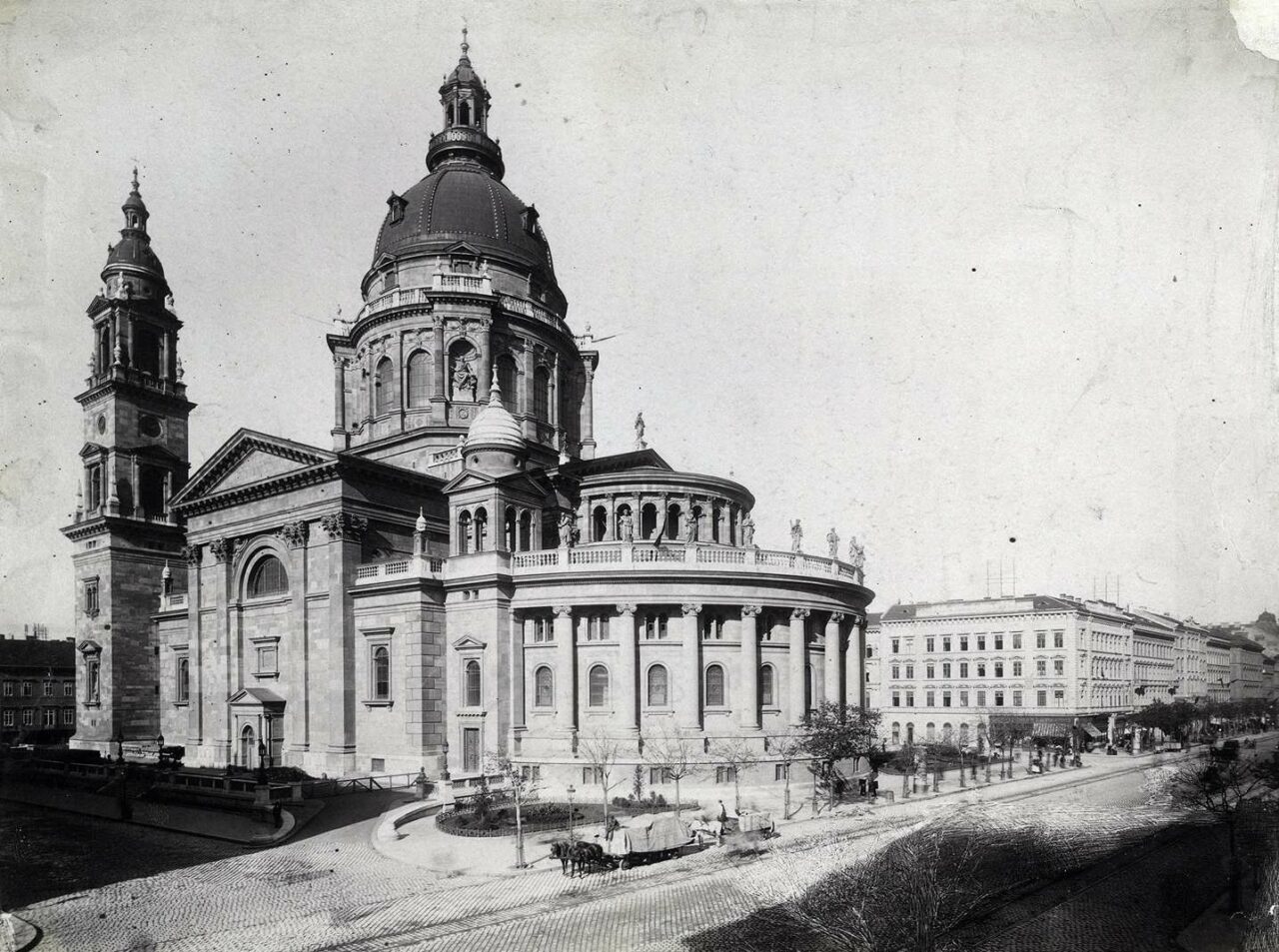
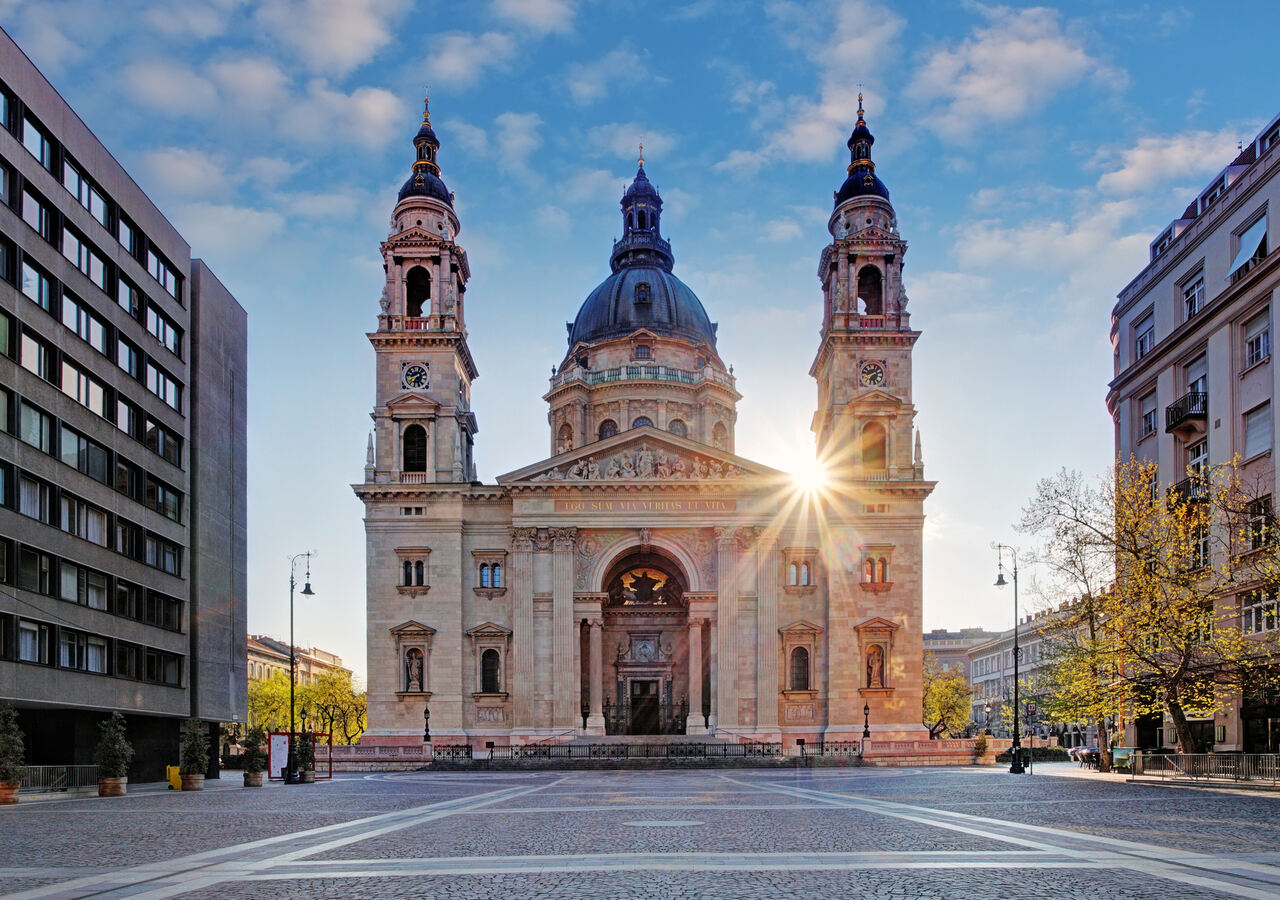
St Stephen’s Basilica: A symbol of faith and art
St Stephen’s Basilica took decades to build and was completed in 1906. The neo-Renaissance church is one of the capital’s most important religious buildings, serving as both a symbol of Christian faith and an architectural masterpiece. At 96 metres high, the basilica is one of the tallest buildings in Budapest, along with the Parliament. The interior is richly decorated and continues to play an active role in the cultural life of the city, hosting renowned musical events.
Source: Fortepan / Budapest Főváros Levéltára / Klösz György fényképeiSt. Stephen’s Basilica in Budapest, Hungary. Source: depositphotos.com
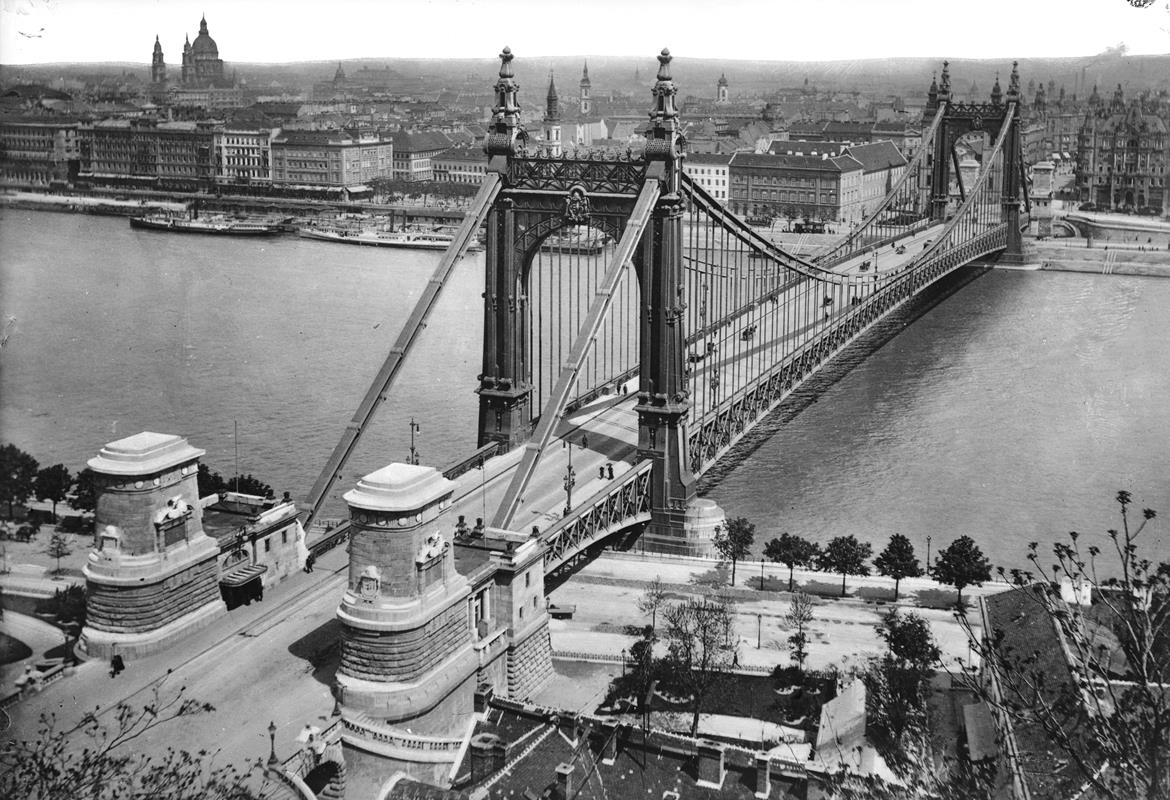
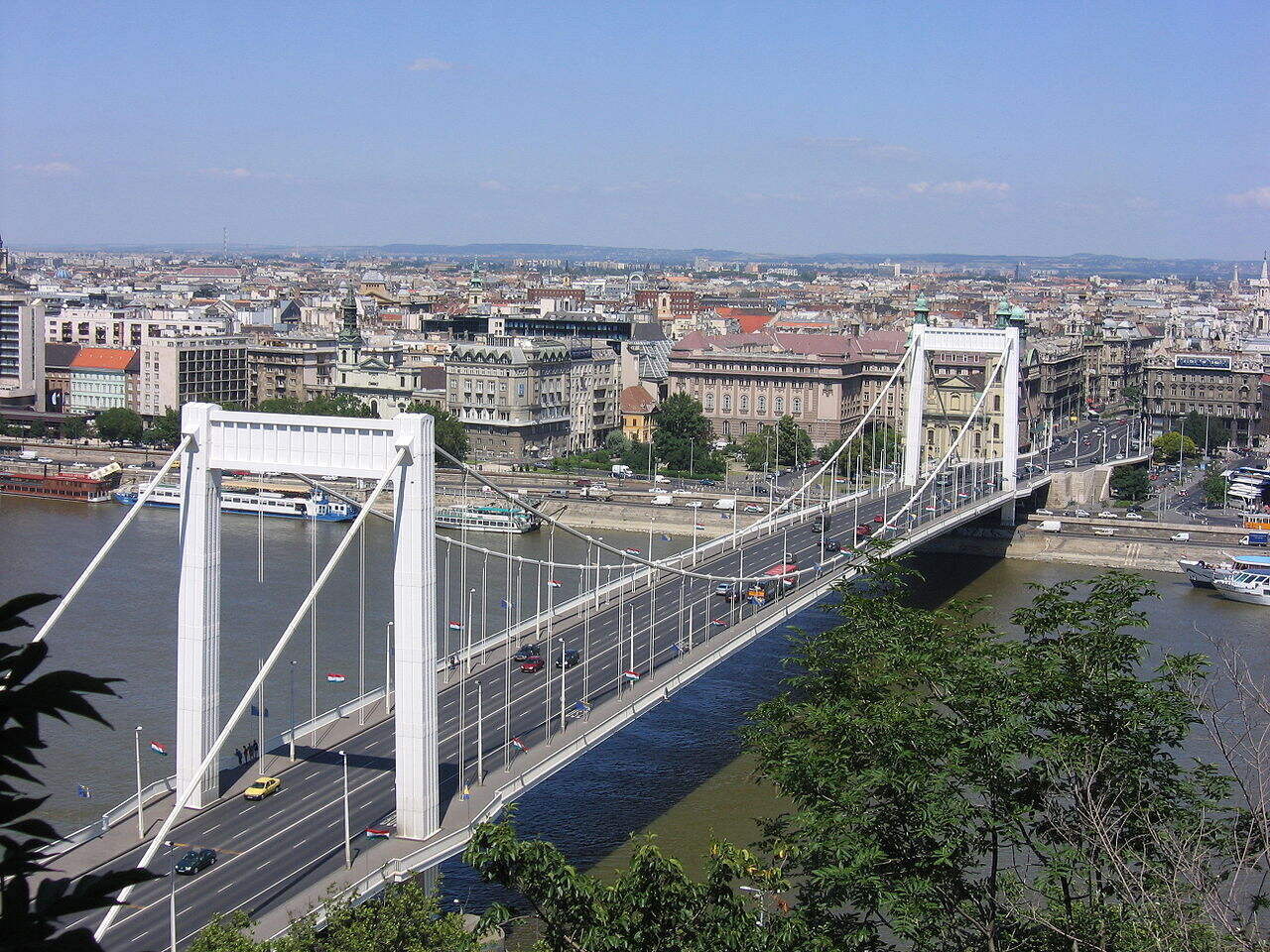
Elisabeth Bridge: The rebirth of an emblematic crossing
The history of Elisabeth Bridge dates back to the early 20th century when the first steel-framed chain bridge was built. Named after Queen Elizabeth, who was assassinated in 1898, it was one of Budapest’s most important bridges until 1945, when it was destroyed during the Second World War.
A modern cable-stayed bridge, ten metres wider than its predecessor, was built in its place in 1964. The new Elisabeth Bridge remains a dominant feature of the cityscape, although tram traffic has been suspended since the 1970s. The crossing is iconic not only for its functionality but also for its aesthetic value. In 1987, along with other historical attractions on this list, Elisabeth Bridge was added to the UNESCO World Heritage Site list.
The old Elisabeth Bridge. Photo: Fortepan/Deutsche Fotothek/Brüch und SohnElisabeth Bridge Source: Wikimedia Commons / Norbert Aepli, Switzerland
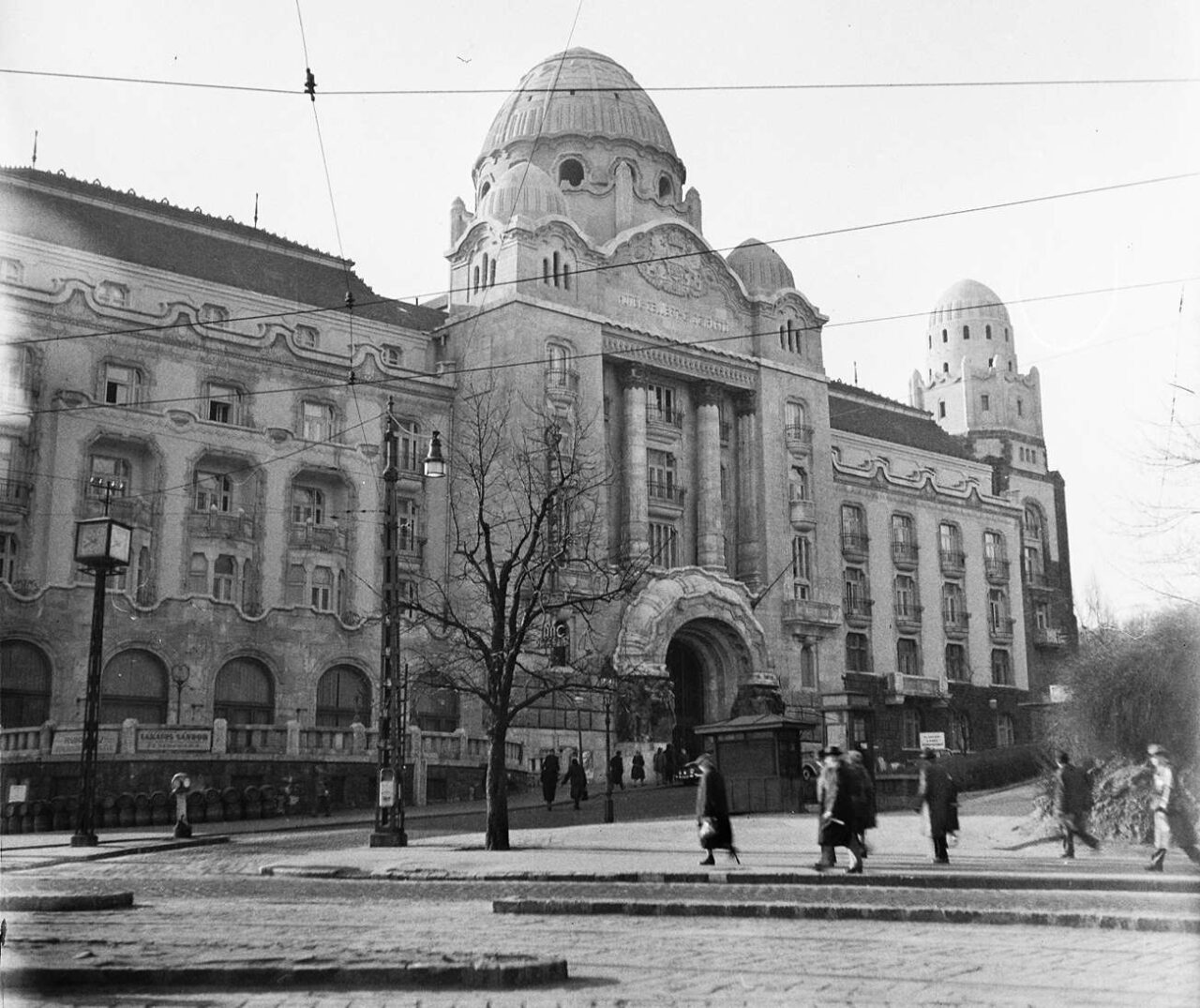
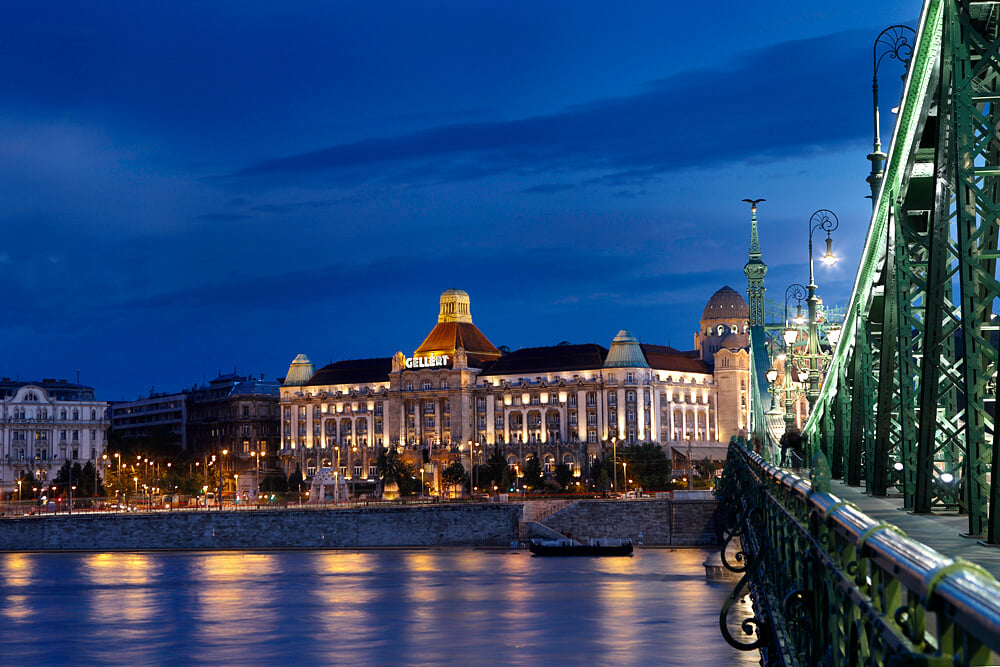
The Gellért Hotel, on the right bank of the Danube, opened in 1918 and became one of the jewels of Art Nouveau architecture. The vicissitudes of the First World War did not prevent it from quickly becoming one of Budapest’s most famous luxury hotels. The building was later extended, and the restaurant, run by the renowned Károly Gundel, further enhanced its reputation. Over the years, it has witnessed many significant events, and although it was renovated in 2021, it remains one of the capital’s most iconic venues. The Gellért Hotel is also part of the UNESCO World Heritage Site list.
Source: Fortepan / Bauer SándorSource: Facebook / Danubius Hotel Gellért
The Wenckheim Palace: From a centre of social life to a cultural centre
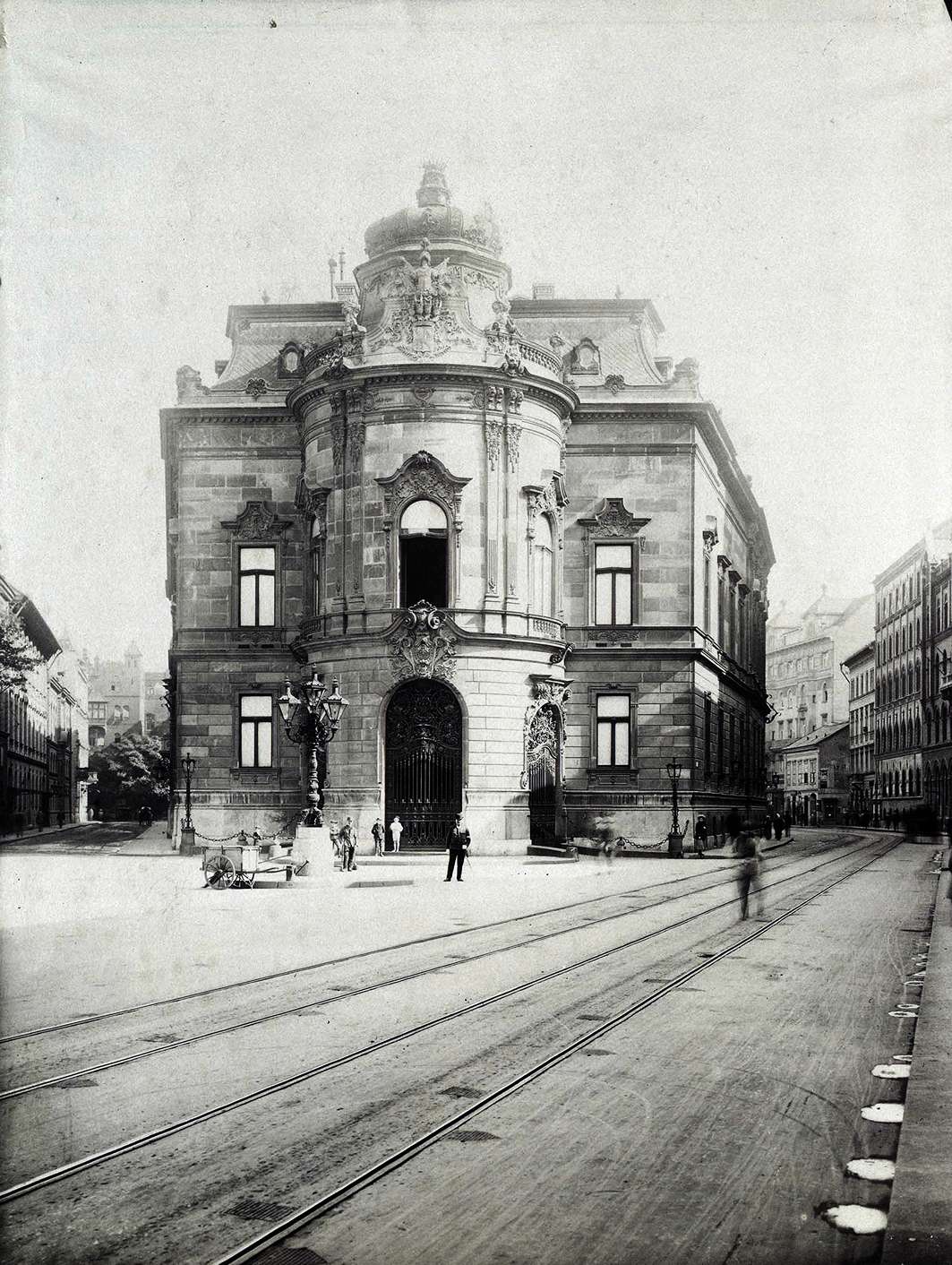
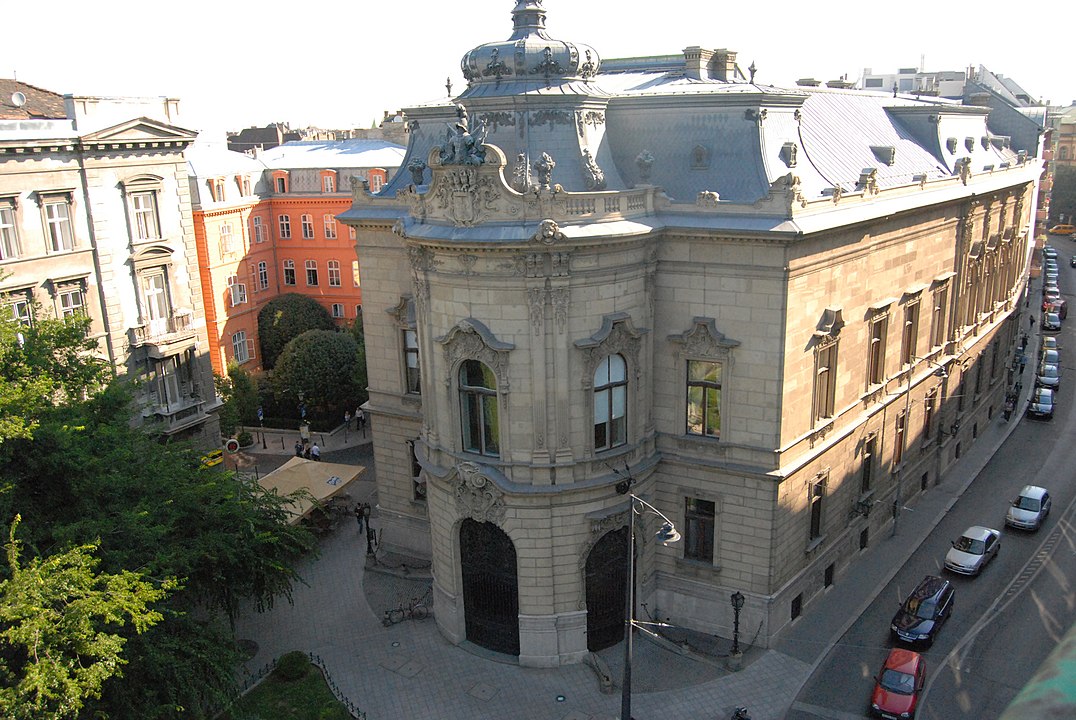
Located in the heart of the palace district in Budapest’s 8th district, Wenckheim Palace was originally the lavish residence of the noble Wenckheim family. The elegant neo-Renaissance building, constructed in 1886, was a popular venue for balls and social events of the time. The building was sold by the heirs to the capital in 1927 and opened in 1931 as the central building of the Szabó Ervin Library. The palace remains a jewel of Budapest’s cultural life, a place where past and present meet.
Source: Fortepan / Budapest Főváros Levéltára / Klösz György fényképeiSource: Wikipedia
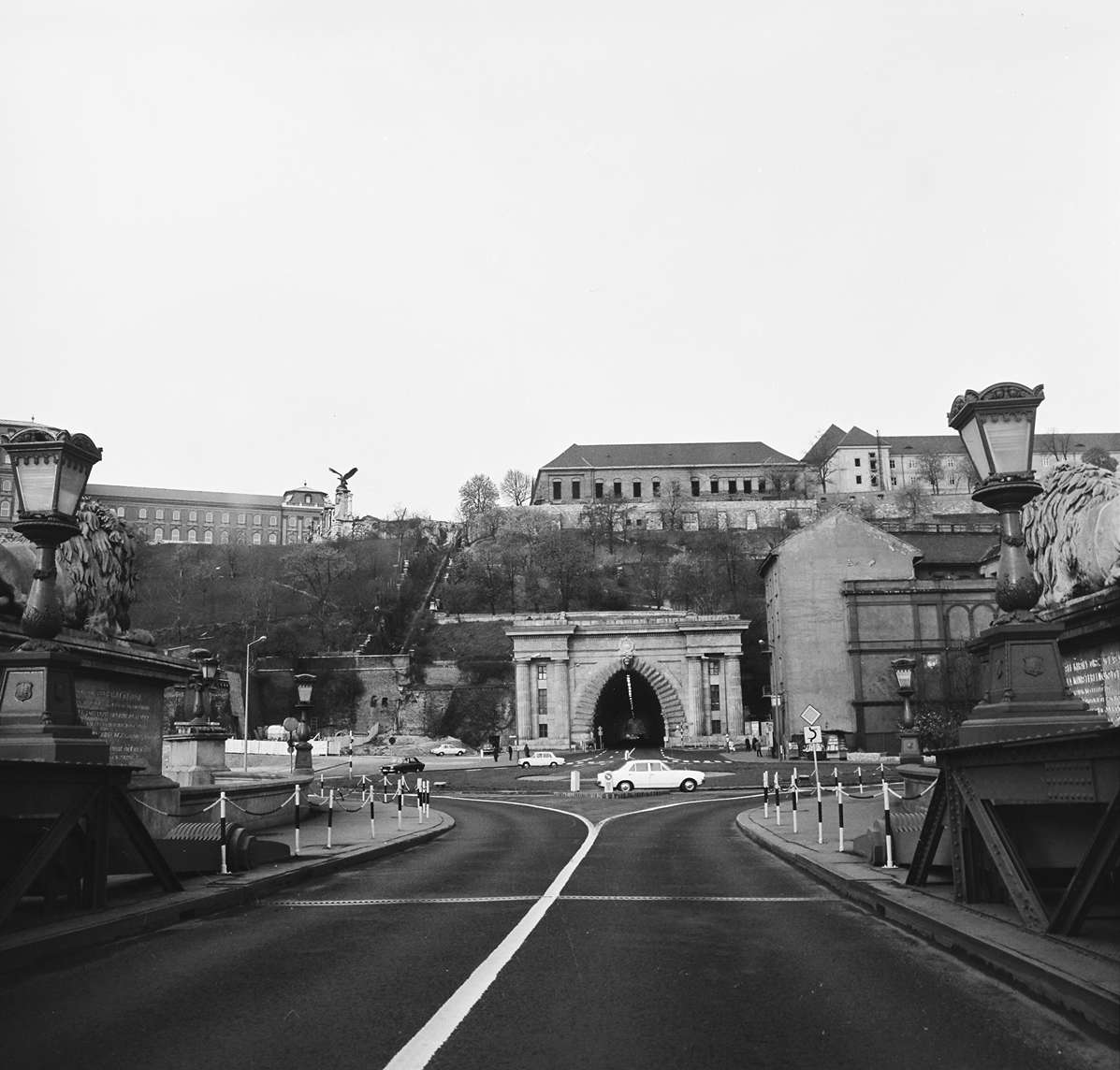
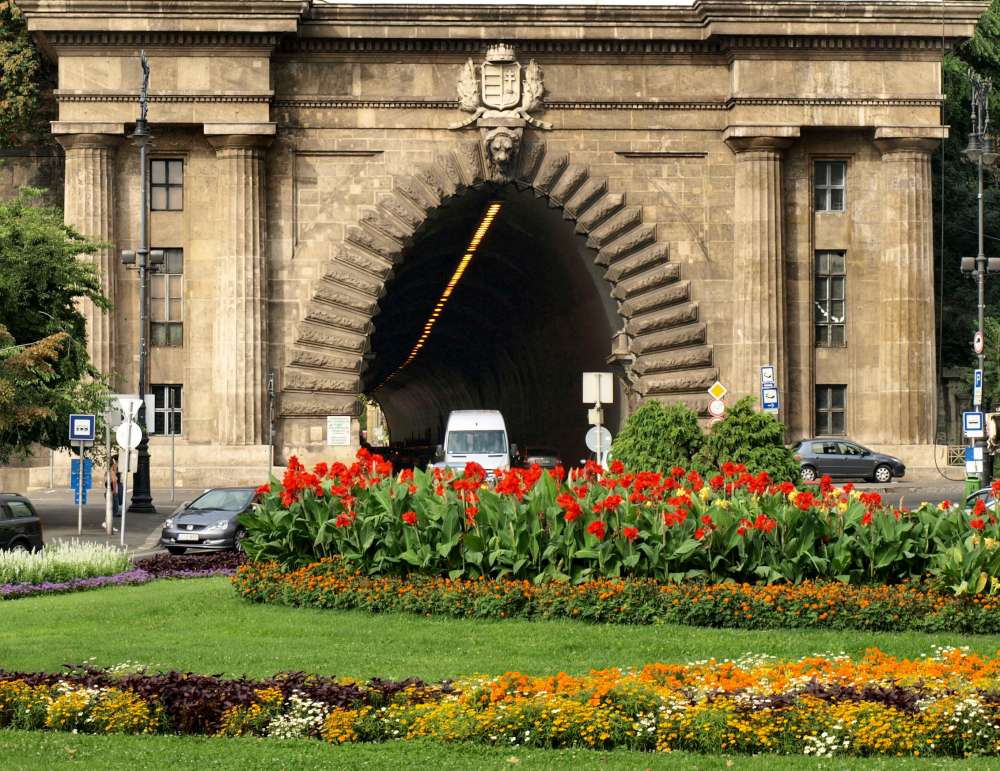
The Buda Castle Tunnel: An engineering feat across the hill
The Buda Castle Tunnel connects the Buda end of the Széchenyi Chain Bridge with the town of Krisztinaváros and has been part of Budapest’s transport system since its completion in 1857. The 350-metre-long tunnel was designed by Adam Clark, who was also involved in the design of the Chain Bridge. Constructing the tunnel was not only a technical challenge but also an expensive undertaking, costing a total of 524,000 HUF. Today, it remains one of the city’s most important thoroughfares, a work of historic engineering that commands respect. Like the Hungarian Parliament, Elisabeth Bridge, and the Gellért Hotel, the Buda Castle Tunnel is listed as a UNESCO World Heritage Site.
Budapest’s landmarks are not only architectural masterpieces but also living witnesses to the city’s history. Despite the devastation of the Second World War and the events of 1956, the city has managed to retain its character and now welcomes visitors in a renewed form. These iconic sites remind not only tourists but also locals that Budapest can always renew itself while remaining true to its historical roots.



 IT
IT HR
HR NL
NL FR
FR JA
JA RO
RO RU
RU ES
ES TR
TR