Subscribe to our social channels to get the latest news about Hungary!


Romania’s accession to the Schengen Agreement on 1 January 2025 marked a historic turning point, abolishing physical border controls between Hungary and Romania.
According to Világgazdaság, this development has accelerated an already existing trend: growing interest in Hungarian border settlements. Lower property prices and improved living conditions have prompted increasing numbers of people to relocate from Romania to Hungary, particularly to the border regions.

Migration is driven by several factors. While large Romanian cities such as Arad and Temesvár (Timișoara) are experiencing rapid economic growth, the rising cost of living is motivating many to seek more affordable alternatives. On the Hungarian side, lower living costs and a quieter, more relaxed lifestyle are especially appealing to families and the older generation. Additionally, good transport links make commuting between Hungarian settlements and Romanian workplaces relatively easy.
The property boom is also attracting investors. Many are purchasing houses not only for personal use but also for investment purposes, capitalising on the steady rise in property prices. Increasing numbers of Romanian buyers are acquiring older properties for use as weekend homes or for rental income, providing an additional financial benefit.
The removal of the border between the two countries is influencing the region not only economically but also culturally. The emergence of mixed communities fosters deeper ties and strengthens cross-border cooperation, bridging historical divides.
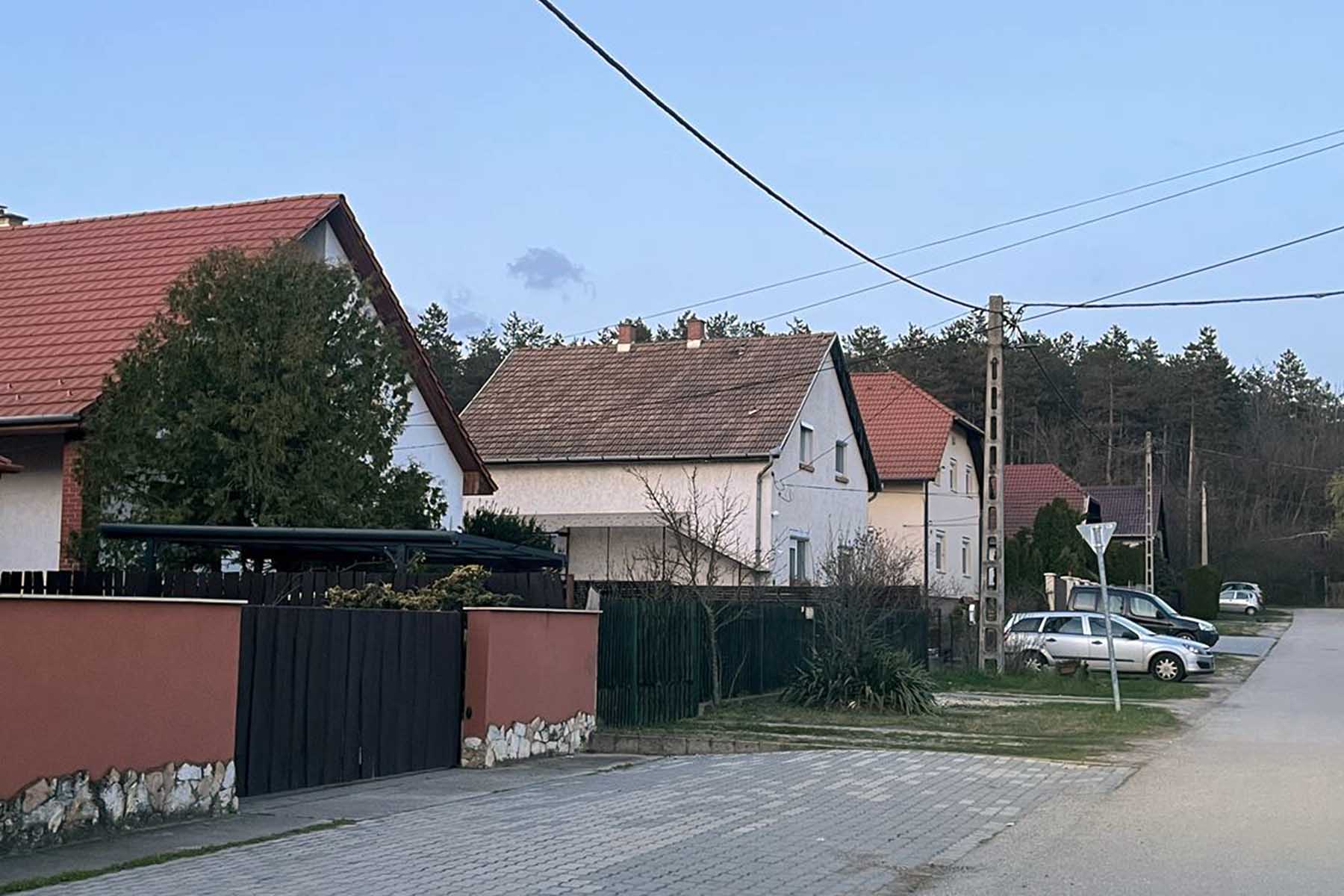
One of the key destinations is Biharkeresztes in Hajdú-Bihar County, just 17 kilometres from Oradea. Its popularity stems from various factors: well-developed infrastructure, frequent bus services, and relatively low property prices make it particularly attractive to Romanian buyers. The local property market is dominated by so-called Kádár-kocka houses, simple rectangular single-storey homes. Although their prices have risen recently, they remain much cheaper than apartments in Oradea. For instance, a house in relatively good condition costs around HUF 30 million, significantly less than a 100-square-metre apartment in Oradea, priced at over HUF 60 million (EUR 145,000).