Subscribe to our social channels to get the latest news about Hungary!


Budapest Airport has emerged as the primary distribution hub for e-commerce products in Central Europe following the coronavirus pandemic. An overwhelming 95% of e-commerce goods arriving at the airport originate from China, with the bulk destined for export to other countries in the region.
According to 24.hu, the surge in Chinese parcels at Budapest Airport is creating logistical challenges. Handling these deliveries has proven to be a complex task. The outlet reported that Budapest Airport has become the largest distribution centre in Central Europe for deliveries from the Far East.
The main players in this market are Temu, Shein, and AliExpress, with only a small proportion of their parcels remaining in Hungary. Approximately 95% of the goods are redirected to other countries in the region, including Austria, Slovakia, and the Western Balkans. Notably, Poland and Romania are less reliant on Budapest for distribution, as companies like Temu have already established local centres in those countries.
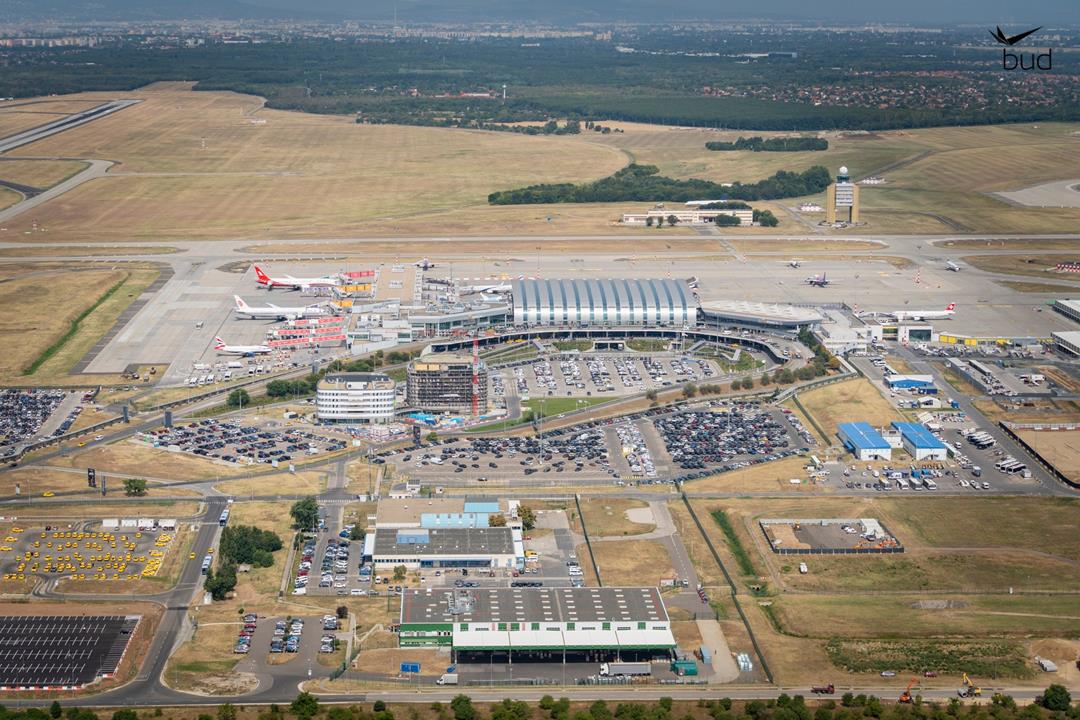
In 2023, Budapest Airport handled 200,000 tonnes of cargo—a 50% increase compared to 2019. This is particularly striking when contrasted with the global air cargo volume, which showed no growth during the same period, according to Kam Jandu, the former CEO of Budapest Airport.
These figures underscore the Hungarian government’s strategic ambition to position Budapest Airport as one of Europe’s leading logistics hubs while simultaneously boosting tourist numbers.
Western European airports, such as those in Paris, Frankfurt, and Amsterdam, traditionally act as gateways for air cargo. However, Budapest’s central geographical location offers a strategic advantage by serving the Balkan and Central European regions directly, avoiding the need for road transport from Western Europe. The airport’s management and Hungarian authorities, including the National Tax and Customs Administration (NAV), have contributed significantly to this success through infrastructure development, digitalisation, and improved transport links.


When you buy goods from China in many cases you are getting a cheap deal because that blouse or pants is made not only from the cheapest synthetic material but also by slave labour. Temu and Shein employ forced labour and child workers. This is the nature of Communist China which Orban promotes and worships.
https://www.bbc.com/news/business-67752413
https://www.bbc.com/news/articles/c4glzzdd88lo
lol. the BBC and rest of the MSM
Oh boy. They really did a number on Larry.
I hope he can still become a productive member of society, hopefully employing people ar aome point and creating stuff