Subscribe to our social channels to get the latest news about Hungary!


On 2 November 2024, the Hungarian State Opera presents Ádám Tulassay’s new production of a staged Requiem by Verdi featuring outstanding Hungarian soloists Andrea Brassói-Jőrös, Andrea Szántó, István Kovácsházi, and Krisztián Cser. The Hungarian State Opera Orchestra and Chorus are conducted by Péter Dobszay.
“An opera in ecclesiastical costume” – Hans von Bülow’s frequently quoted criticism of the work is a perfect illustration of the widespread view that Verdi’s Requiem, although based on the structure and text of the Catholic liturgy, does not carry a religious content so much as a universal one associated with mourning and strives to express emotions, including the composer’s own emotions, with tools already well-known from Verdi’s stage works. Verdi was inspired to write the funeral mass by the loss of two of his compatriots whom he respected immensely, the composer Gioachino Rossini and the poet Alessandro Manzoni, one of the leading figures of Risorgimento, the unification of Italy. In Verdi’s work, the fluctuating emotions such as pain, sadness, anger as a result of grief, fear of judgement day, and hope for peace all appear with a dramatic tension more familiar from opera stages than church services.
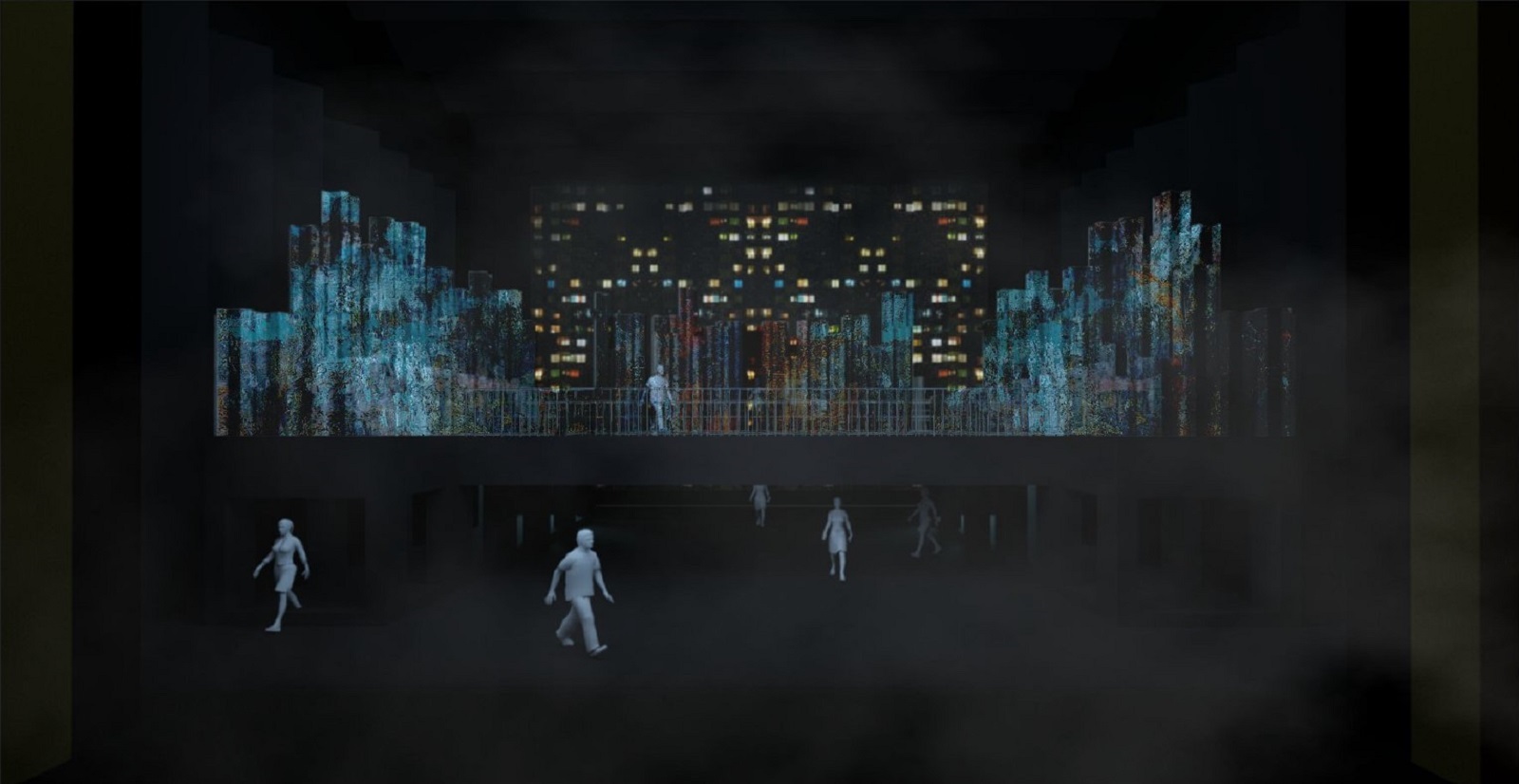
To stage these dramatic emotions director Ádám Tulassay, a graduate of the School of Music Hanns Eisler Berlin and Screen Academy Scotland, was commissioned by the Hungarian State Opera, where his directorial debut was Puccini’s Edgar in 2019. The visual representation of the creative team including set designer Angéla Csúcs, costume designer Krisztina Lisztopád, choreographer Márton Csuzi, animation designer Zsombor Czeglédi, and lighting designer Tamás Pillinger draws inspiration from Fritz Lang’s classic film Metropolis and depicts death as a lack of living. Their concept offers an interpretation of the different movements in Verdi’s work as a series of scenes with different emotional charges as seen from the point of view of the soprano (performed by Andrea Brassói-Jőrös), her understanding of the day of death, the day of judgement.


