Subscribe to our social channels to get the latest news about Hungary!


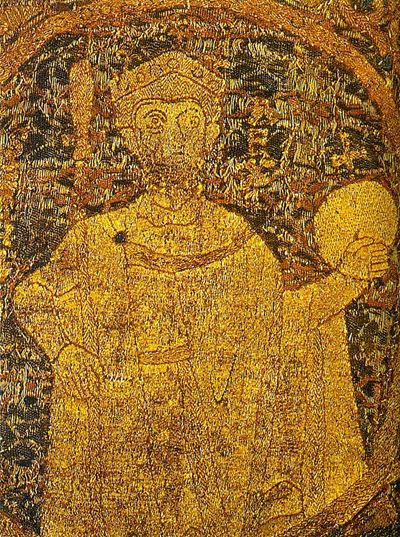
Saint Stephen (997-1038) was Hungary’s first Christian monarch, credited with establishing the modern medieval Christian state of Hungary. He consolidated his power by defeating internal rivals and forming a strategic alliance through marriage to a daughter of a powerful Bavarian family. His father-in-law and brother-in-law ruled the Holy Roman Empire for over two decades, giving him the time he needed to strengthen his reign and organise the state and church. Remarkably, an authentic image of Saint Stephen can be viewed at the Hungarian National Museum.
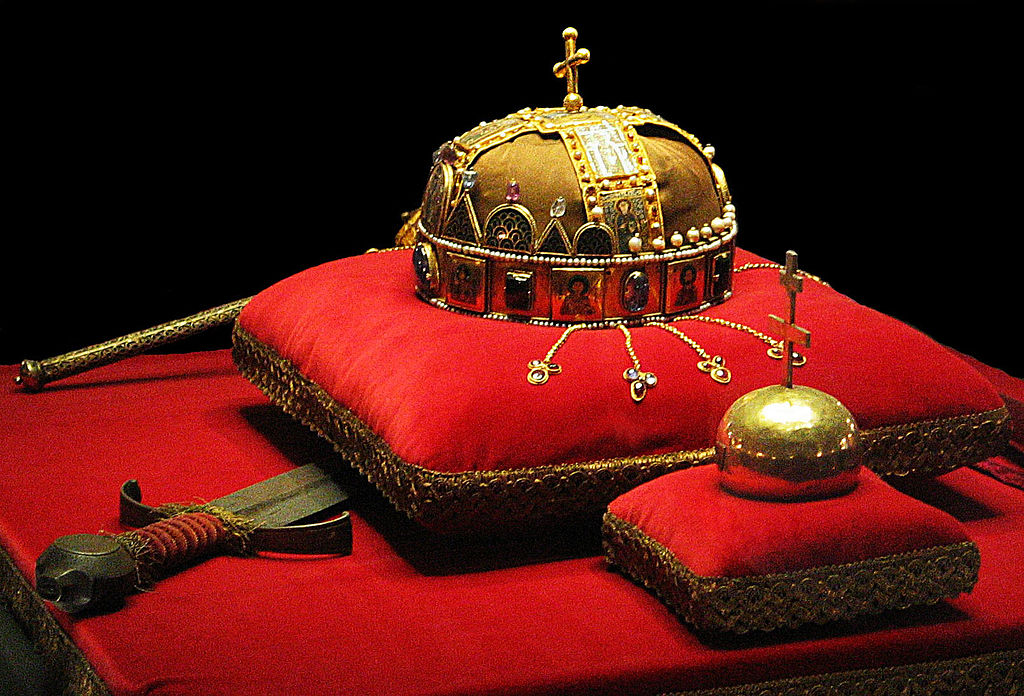
Most Hungarian artworks from the Middle Ages were destroyed during the Ottoman conquest and the subsequent wars of the 15th, 16th, and 17th centuries. However, a few notable exceptions, such as the coronation regalia, have survived. Thanks to the Royal Crown Guard, despite German occupation and the brutal rule of the Hungarian Nazis led by Ferenc Szálasi in the final months of World War II, the regalia were secured by US forces and kept in Fort Knox. In 1978, during a period of détente, the American government returned these artefacts to Hungary.
The Holy Crown of Hungary, the coronation sceptre, the Globus Cruciger (orb), and the sword are currently housed in the Hungarian Parliament. Visitors can view them by purchasing an entrance ticket. Meanwhile, the coronation mantle is preserved in the Hungarian National Museum. Based on current research, none of these items is over a thousand years old, meaning Saint Stephen himself could not have used them—not even the Holy Crown of Hungary, which legend claims was a gift from Pope Sylvester II. Historians agree that the Holy Crown of Hungary was assembled from three parts at the end of the 12th century: the corona graeca, the corona latina, and the uppermost cross.
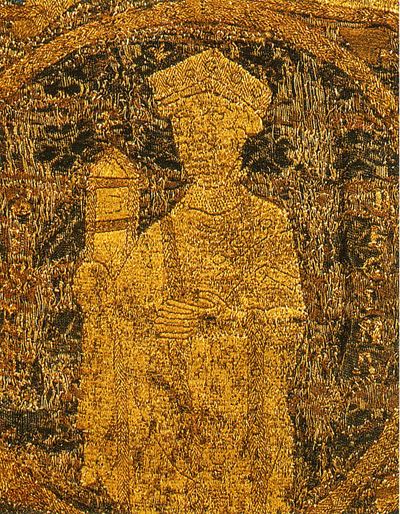
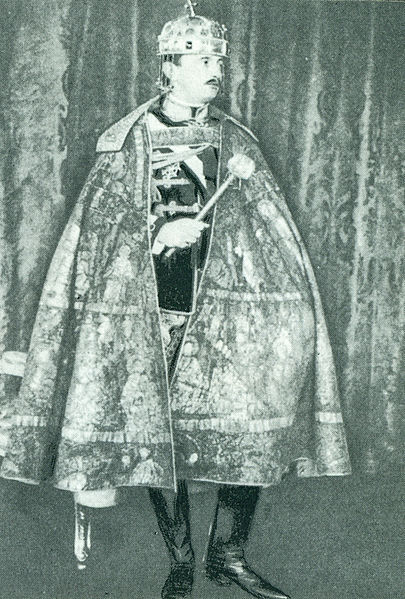
Historians can only assert with sufficient certainty that the mantle was created during Saint Stephen’s reign. Originally a priest’s chasuble, it was made by Saint Stephen and his Bavarian wife, Gisela. The exact production date is unknown, but it predates 1031, as the royal couple presented it to the Church of the Virgin Mary in Székesfehérvár in that year.
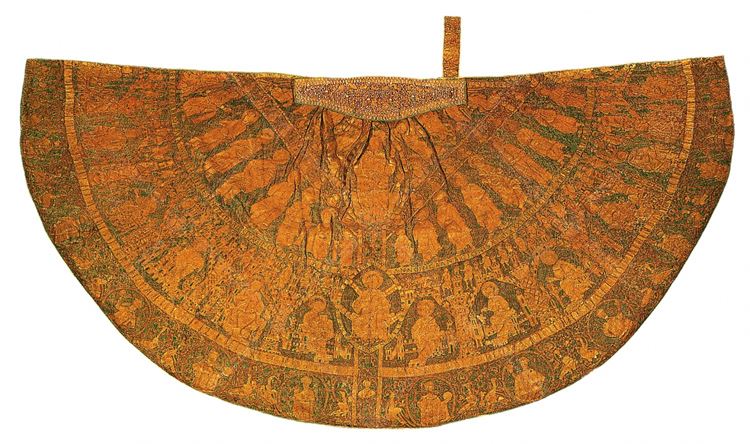
According to the Hungarian National Museum’s description, the “ground fabric is rosette-patterned Byzantine silk, which is covered almost entirely with ornamentation embroidered using gold thread. On the back of the mantle is a Y-shaped cross. The raised arms of this cross feature half-length depictions of angels, while the vertical element shows two depictions of Christ, one above the other.” In addition to Christ, the mantle is decorated with Old Testament Prophets and the Apostles.