Subscribe to our social channels to get the latest news about Hungary!


In Hungary, there are numerous alternatives to Lake Balaton, including locally known and beloved lakes with sandy shores, which are often free of crowds.
For many, a weekend or even a day trip to the Hungarian Sea is a luxury, but there are still many beautiful lakes to visit in the country. Hungary boasts over 50 natural lakes with designated beaches suitable for swimming. Pénzcentrum has listed these, including some well-known and some less well-known bathing sites in both the eastern and western parts of the country.
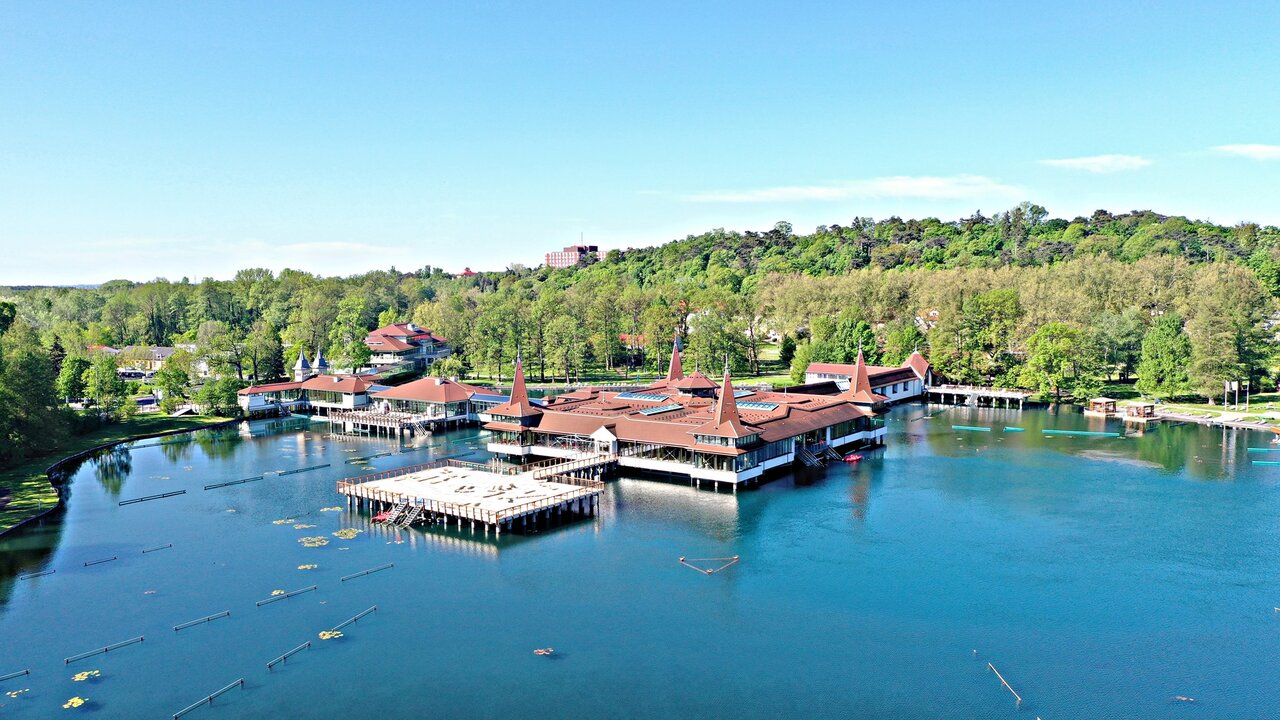
Lake Hévíz is situated along the western slope of the Keszthely plateau, in the Hévíz valley, near the town of Hévíz. Covering 4.44 hectares and surrounded by 50 hectares of forest, it is Europe’s largest warm-water lake with healing properties. Unlike other hot springs typically found in clay or rocky soils of volcanic origin, Lake Hévíz is a peat-bed spring fed by water at 38°C.
In summer, the temperature ranges from 33-35°C, occasionally reaching 36-38°C on very hot days. In autumn and winter, the temperature is around 24-26°C. The water temperature has a soothing and relaxing effect on bathers and patients, as it is considered neutral to the human body’s thermoregulatory system.
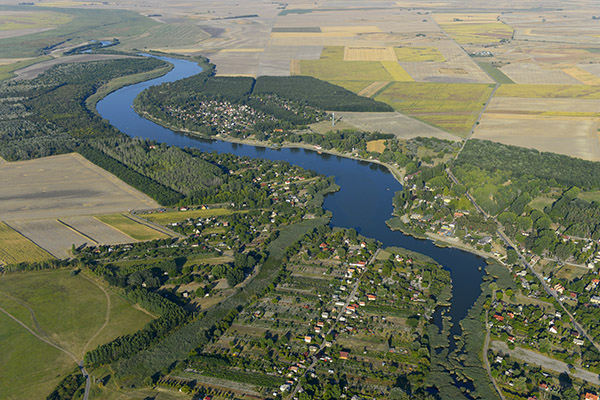
Lake Tisza is another of Hungary’s best-known lakes. Excluding the part of Lake Fertő outside the border, it is Hungary’s second-largest artificial lake. Located on the Tisza in the northern part of the Great Plain, it was formerly known as Kiskörei reservoir and was initially created for river regulation. Over time, it has developed its own ecology and tourism, becoming a popular destination for hikers, fishermen, and bathers. Although originally artificial, its beach is now classified as a natural bathing site.
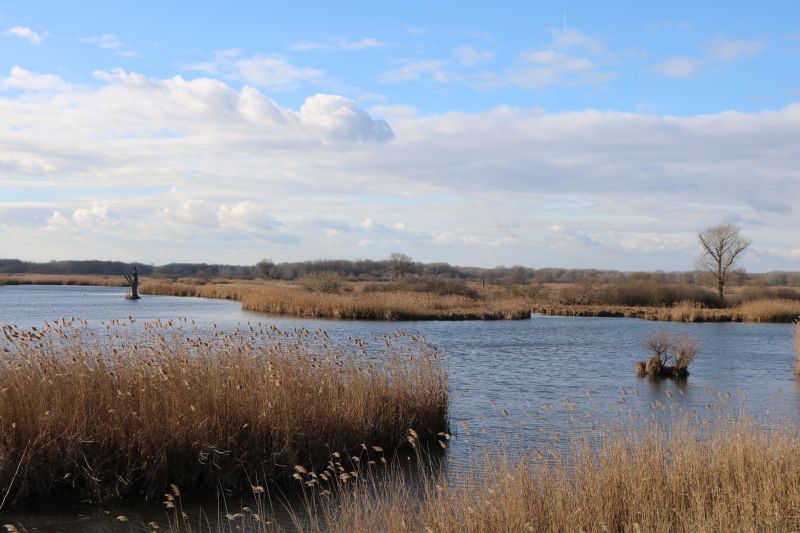
The Fertő, or Lake Fertő, is one of Hungary’s most famous lakes, located along the north-western border near Sopron. About 20,000 years old, it is the third-largest lake in Central Europe and the westernmost steppe lake and rocky outcrop in Europe. Most of it lies in Austria, with only a small part in Hungary. The Fertő Valley, including the lake, is a World Heritage Site. It is the second warmest lake in Central Europe after Lake Balaton, with summer temperatures often reaching 30°C. According to Fertő-tó.hu, there are 11 well-developed beaches offering sandy, grassy, or pebbly shorelines.