Subscribe to our social channels to get the latest news about Hungary!


Increased worldwide travel and high guest turnover in the summer promote the surge of bed bugs that move with travelers to other destinations and their homes. As there is no guarantee the problem won’t reoccur even after chemical treatment, prevention is more about optimizing procedures and shifting the current mindset that identifies bed bugs as a hygiene problem, a public health expert at Semmelweis University notes.
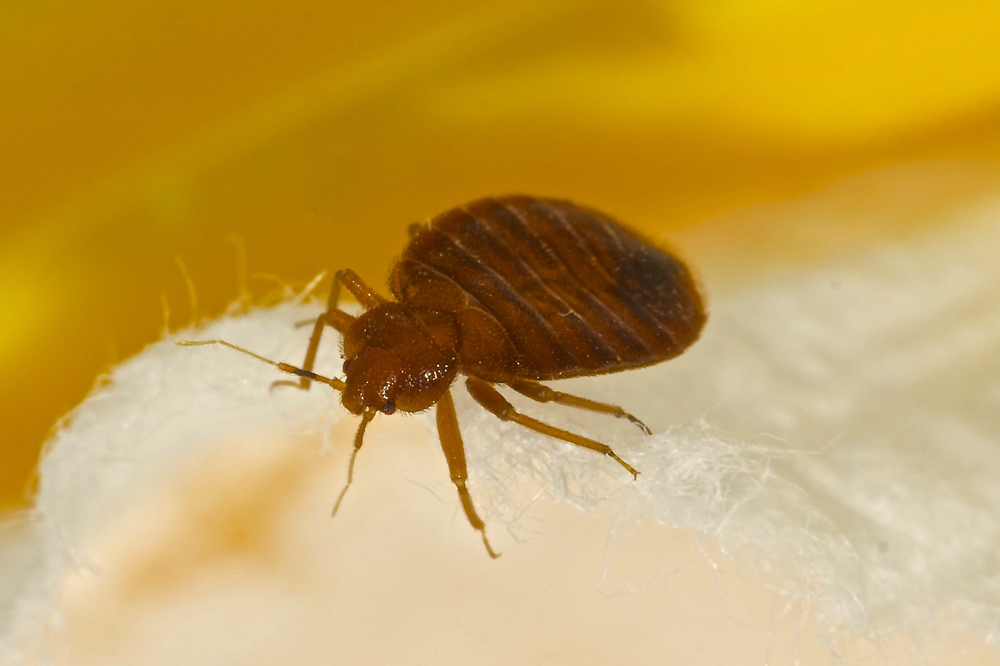
Identifying bed bugs and being able to distinguish them from other insects is the first such step. “Signs including concentrated dark spots on the mattress, bedsheet, in the cracks, eggs and eggshells, live or dead bugs may indicate an infestation,” says biologist András Paulovkin, Head of the Disinfection Station at Semmelweis University, Budapest.
Since bed bugs are sensitive to humidity, it makes sense to store the luggage in the bathroom when traveling. Don’t store your luggage next to the bed, place clean clothes and laundry in separate plastic bags.
A common misconception is that bed bugs can “chew their way” into the different layers of luggage, but being tick animals, they can’t.
“Their home range is 2-3 meters. In nature, there’s no unnecessary energy expenditure: bed bugs will hide in a place they can get back to with little effort,” András Paulovkin notes. With a thorough check, it is possible to find their hiding place, he adds.
Back home, immediately place your clothes in the washing machine: avoid bringing them into your living space without washing them first. If you live in a house with a garden, open your suitcase outdoors. In apartment buildings, bed bugs can travel through electrical outlets and cracks in the wall along pipes, they can also climb on clothes hung out to dry.


