Subscribe to our social channels to get the latest news about Hungary!


On 1 August 1946, Hungary introduced the forint as its official currency. The change was necessitated by one of the most severe economic crises in history: the hyperinflation of the pengő.
During the final years of World War II and the immediate aftermath, Hungary experienced an extraordinary economic collapse. The national currency at the time, the pengő, underwent the most severe devaluation ever recorded.

This period of hyperinflation was so extreme that there was a point when prices doubled approximately every 15 hours, Index writes. The currency’s value plummeted so quickly that the government and printing presses struggled to keep up with the demand for increasingly larger denominations.
In June 1946, just before the introduction of the forint, the price of a kilogram of bread had skyrocketed to 5.85 billion pengő.
This rapid and relentless inflation rendered the pengő almost worthless, making everyday transactions extremely difficult and confusing for the population. People were forced to carry enormous amounts of money for basic purchases, and the introduction of new currency denominations like “millpengő” (one million pengő) and “billpengő” (one trillion pengő) added to the chaos.
To address this crisis, the Hungarian government implemented a stabilisation plan by the summer of 1946. This plan aimed to restore the national income to about half of its pre-war level, ensuring it could adequately meet the basic needs of the population. With a more stable economic foundation in place, the government decided it was time to introduce a new currency to replace the pengő and stabilise the economy.
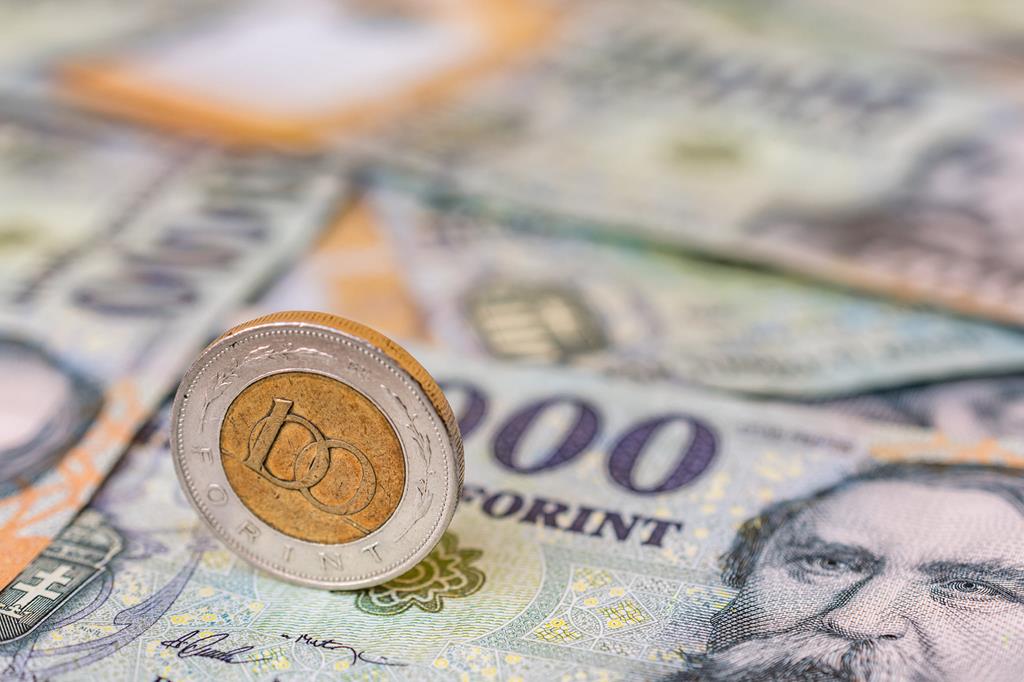
On 1 August 1946, the forint was introduced as Hungary’s official currency. Initially pegged to the value of gold, the forint was designed to provide a stable and reliable medium of exchange. The first coins issued included denominations of 1, 2, and 5 forints, as well as 2, 10, and 20 fillér coins. Later, various denominations of banknotes were introduced.


