Subscribe to our social channels to get the latest news about Hungary!


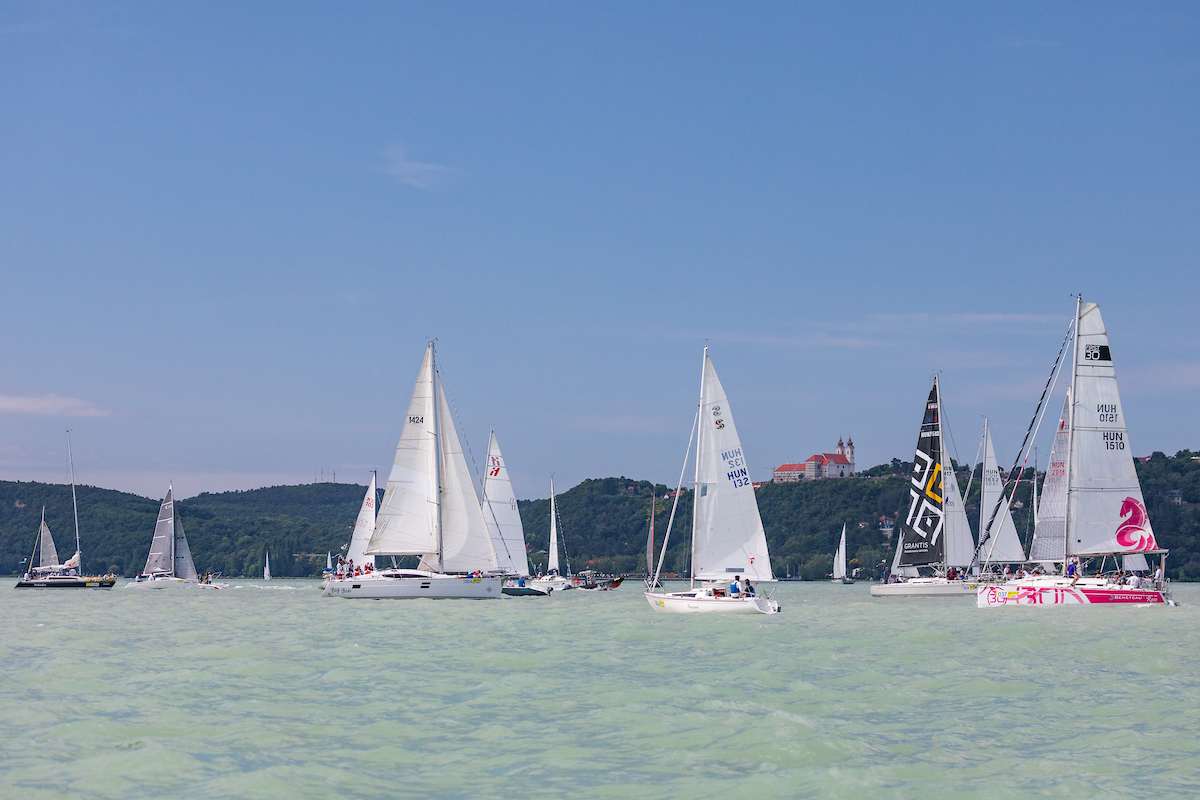
The Blue Ribbon Regatta, Europe’s largest lake race, will be held again on Lake Balaton for the 56th time this year, on the weekend closest to the July full moon, as tradition dictates.

It is exactly 90 years since the first Blue Ribbon race started at Lake Balaton. The regatta, organised under the banner of the Hungarian Sailing Federation, starts and finishes in Balatonfüred, after circumnavigating the Hungarian Sea, covering more than 155 kilometres. Today, the regatta has become Europe’s most prestigious and oldest round-the-lake competition. The Blue Ribbon’s course is the longest among the main European round-the-lake events and now boasts the largest competing fleet. This year’s competition will take place from 18 to 20 July for the 56th time.
Although the Blue Ribbon has been constantly renewed over the years, it has maintained its traditions, with traditional sailing boats still competing alongside those powered by modern technology. Kékszalag holds the current entry record of 681, making the Balaton regatta one of the biggest celebrations of sailing in Europe.
The first sailing race was held on 27 July 1934, writes Hamu és Gyémánt in a summary article. A year after its foundation, the Hungária Yacht Club announced a historic race to bring together the boats of the Hungarian Sailing Yacht Association for a Balaton-round speed race open to all.
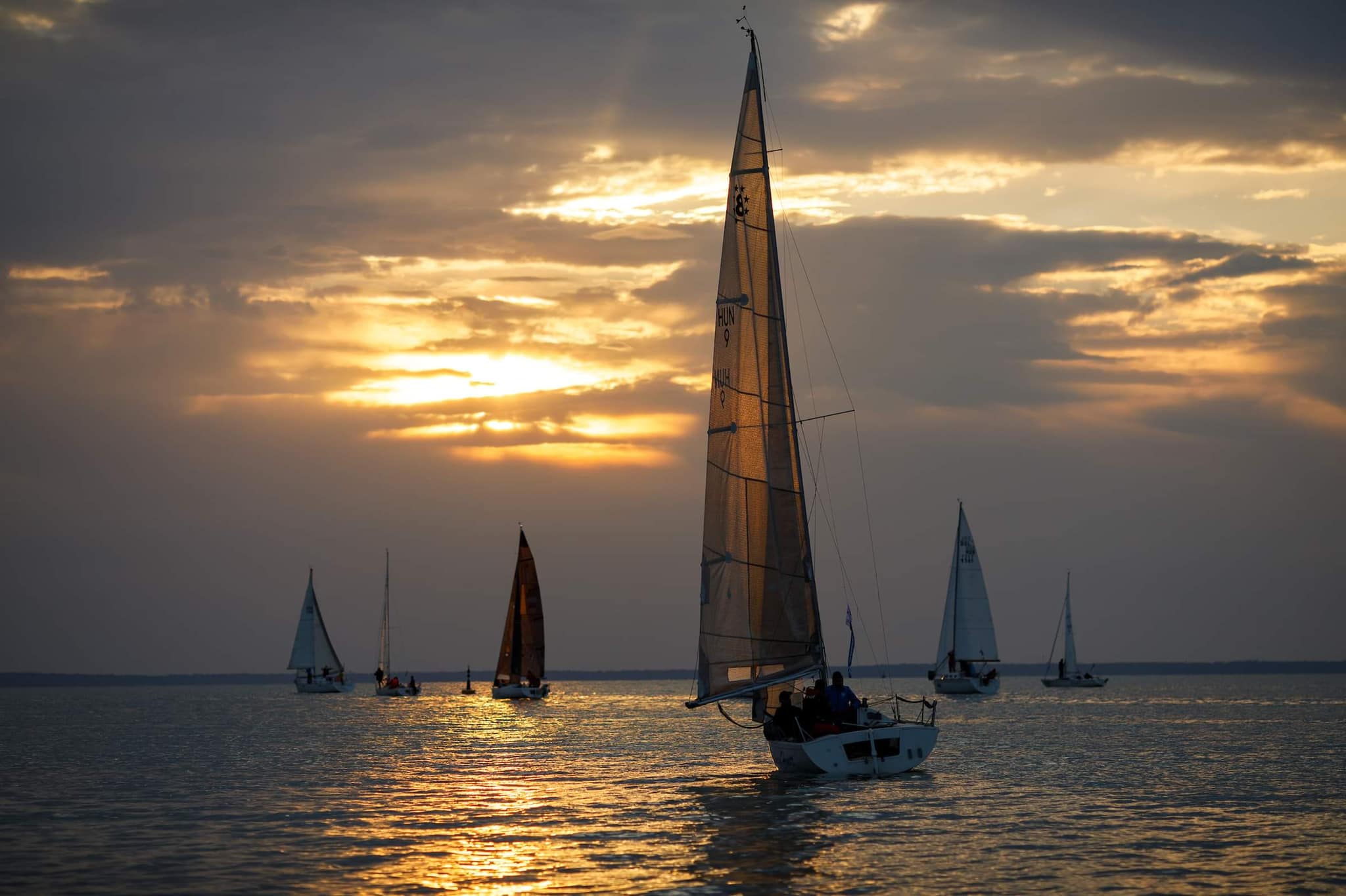
In the past, the fastest ships crossing the Atlantic Ocean were allowed to wear a blue ribbon on their masts, a tradition adopted by sailors in Hungary, hence the name of the race. Initially, the race was held every two years in even-numbered years until 1942, when the Second World War interrupted the tradition. The competition resumed in 1947 after a five-year hiatus, and since 2001, the race has taken place annually.