Subscribe to our social channels to get the latest news about Hungary!


Sponsored content
Your roof performs a crucial function in shielding your house from environmental factors. However, even the most nicely-maintained roofs can develop leaks over time. One common supply of roof leaks is round vent pipes, which protrude via the roof to allow ventilation for plumbing and different structures.
Detecting and repairing this roof leaking issue promptly can prevent water damage and expensive maintenance. In this DIY manual, we’ll walk you through the techniques for figuring out and fixing roof vent pipe leaks.
Start by inspecting the indoors of your own home for symptoms of water damage, along with water stains on ceilings or partitions, peeling paint, or mildew boom. Trace the location of the water stains returned to the closest roof vent pipe to become aware of the supply of the leak.
If possible, investigate the attic area below the suspected leak location. Look for signs and symptoms of water intrusion, together with wet insulation, water droplets, or damp spots on the underside of the roof decking.
Insulation inside the attic can offer valuable clues about the presence of roof leaks. Check the circumstances of the insulation for symptoms of water damage, including compression, discoloration, or dampness. Wet or soggy insulation is a clear signal of water intrusion and should be addressed promptly to prevent additional damage.
Safely gain access to the roof and visually inspect the area around the vent pipes. Look for cracked sealant or missing shingles across the base of the vent pipes.
Pay close attention to the condition of the flashing across the base of the vent pipes. Flashing is a metallic or plastic fabric mounted to create a watertight seal between the vent pipe and the roof floor. Look for symptoms of rust, corrosion, or harm to the flashing, which can compromise its effectiveness.
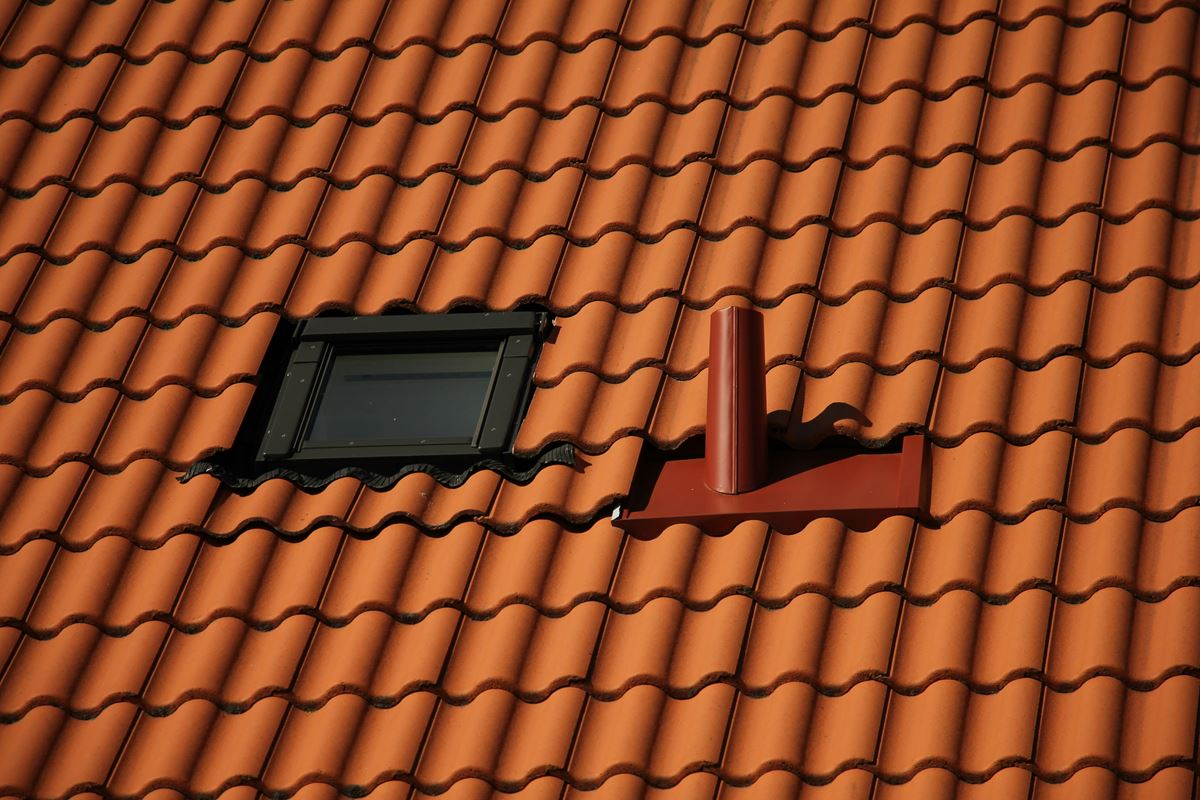
Remove any broken or corroded flashing around the base of the vent pipe. Clean the vicinity very well to ensure the right adhesion of the new flashing. Install a brand new vent pipe flashing, ensuring a good seal between the flashing and the roof surface.
Use roofing cement or silicone sealant to fill any cracks or gaps across the base of the vent pipe. Apply the sealant generously, ensuring complete coverage and a watertight seal. Smooth out the sealant with a putty knife or caulking tool for a neat finish.


