Subscribe to our social channels to get the latest news about Hungary!


The stunning Buda Castle has many sights to offer, but first-time visitors may overlook some of its lesser-known gems. Underneath the hill, there are many hidden places that mostly form one greater area. The Buda Castle cave system is a must-explore attraction, recommended for everyone who travels to Budapest.
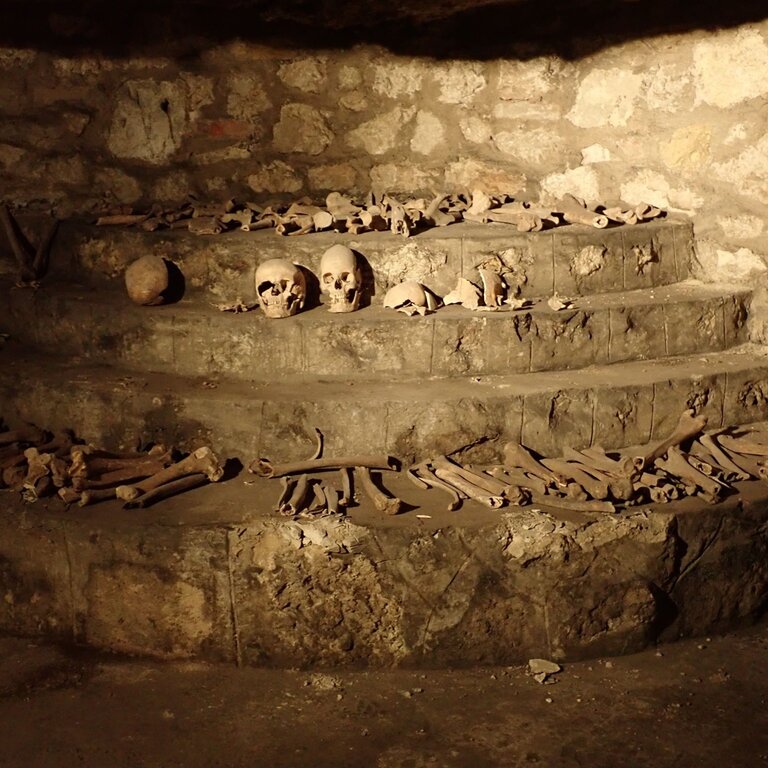
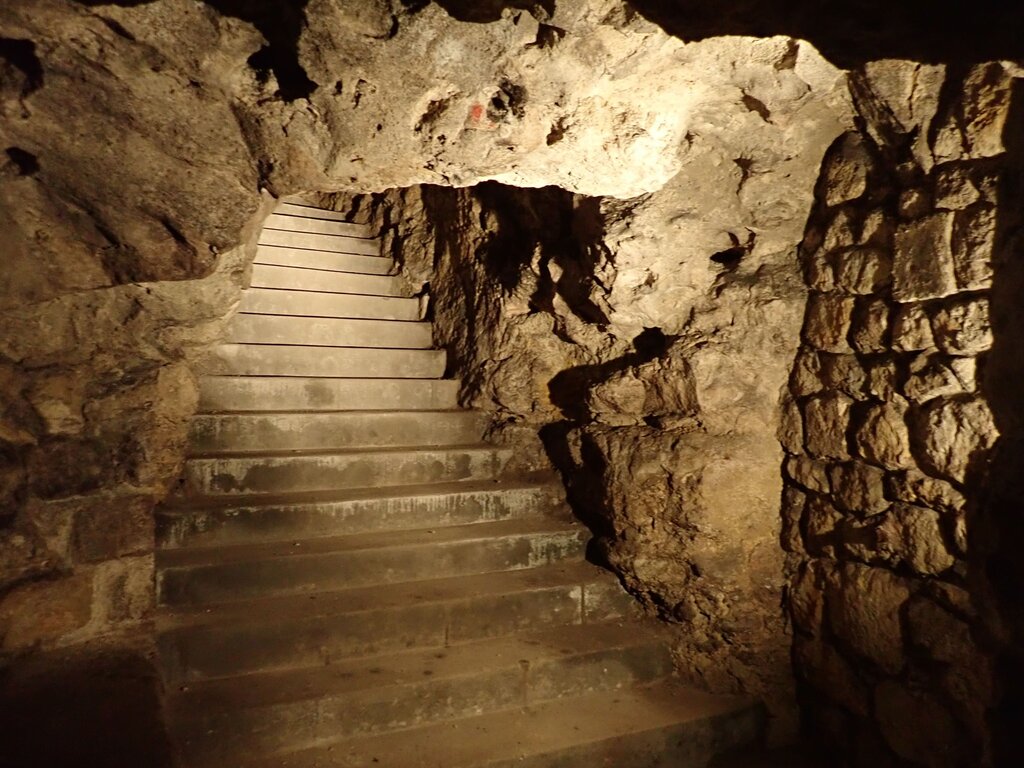
The cave system itself has many names: the Labyrinth, the Turkish cellars, the cave in the mountain or the cave cellars. Most readers have probably heard the name Labyrinth, but it is not the name of the whole cave system. The caves were fully explored in the 1930s by Kadić Ottokár and his team of paleontologists. It is important to note that originally the caves were separately located. Only after they were connected, was the 10-kilometre-long cave system formed, which we know today.
The caves were formed when the water eroded the limestone and only the surrounding marl remained. The findings inside the caves date back to prehistoric times, as far back as 350,000 BCE. Later, in the medieval period, the caves were used as cellars and for storing water. However, as time went on the caves proved to be useful for economic and military use as well. The name Labyrinth derives from the unorganised system of intertwining tunnels.
After the exploration had ended, the caves were open for visitors in 1935. However, as the looming war approached, the cave system was assigned a new purpose. A full-fledged hospital was built into the caves so that emergency treatment could be given safely and undisturbed during the raging war. The Hospital in the Rock Nuclear Bunker Museum can still be visited today and provides an amazing experience for those who wish to relive the past.