Subscribe to our social channels to get the latest news about Hungary!


With Whitsun just around the corner, many of us are ready to relax for a while. Whitsun is celebrated in many different forms around the world. Hungarian traditions in particular are worth taking a closer look at. Follow this article to find out more!
People often say that May is the month of Pentecost (or Whitsun), although it is not a static holiday. It can fall between 10 May and 13 June, depending on the time of Easter. In 2022, it is celebrated on 5-6 June. Pentecost traditions, like Hungarian traditions in general, are a mixture of Christian and ancient pagan elements.
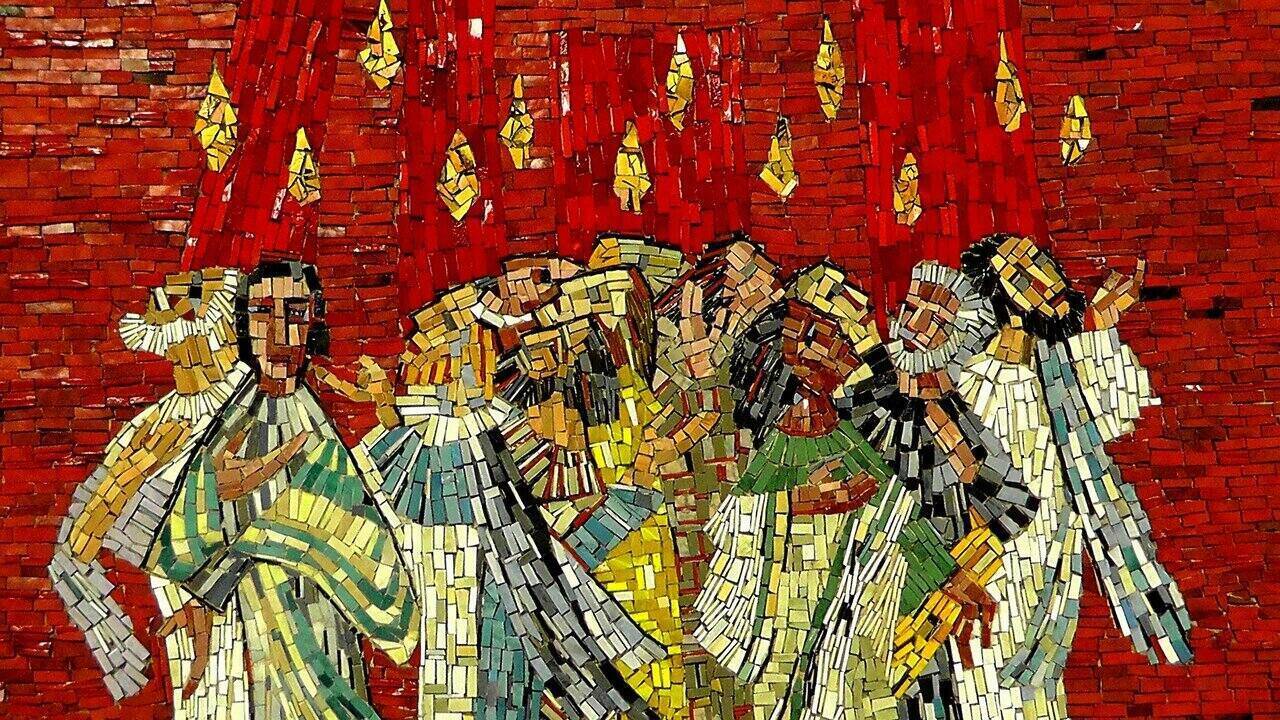
An article by Anyanyelvápolók details further. The fortieth day after Easter is Maundy Thursday, the feast of the Ascension of Jesus, and the fiftieth day is Pentecost (coming from the Greek word pentekoste, meaning fiftieth). This is the day on which the Holy Spirit descended on the apostles. It began to speak in different languages, astonished people who gathered to hear the sermon in their language. As a result, many of them were baptised, and the first Christian communities were formed. This is why Pentecost celebrates the birth of the Church. This time of year, not only Christians, but many Hungarians go on a pilgrimage to Şumuleu Ciuc (Csíksomlyó) in Transylvania. The settlement is well-known for honouring the Whitsun traditions.
Now, let us take a gander at what sort of traditions are still alive in Hungary!
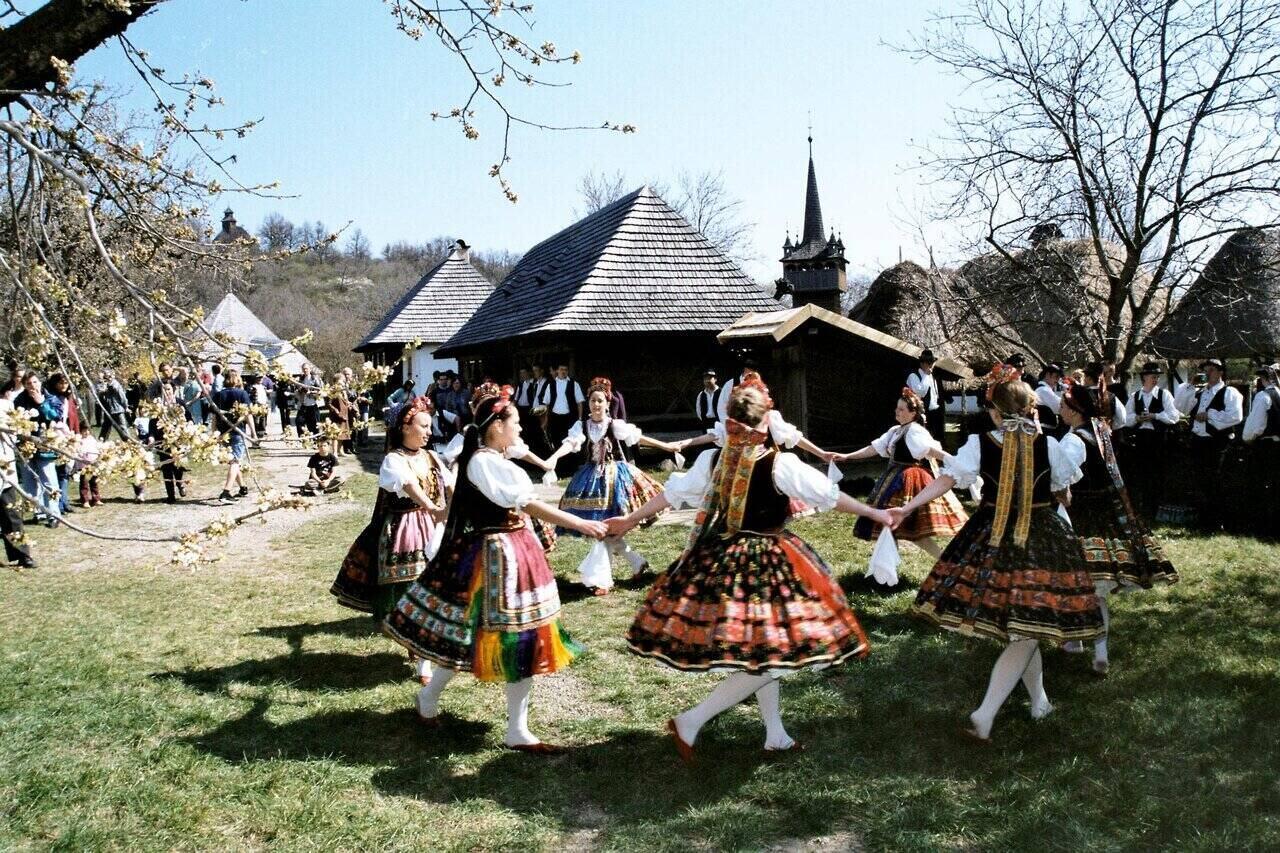
In many Hungarian villages, an annual tradition is to choose the Pentecost King. The young men of the village were tested through competitive games, such as horseback riding and bullfights. Only the most agile of the lads could earn the prestigious title. All lads of the village owed their service to the king. He was to be invited to all feasts and gatherings for upwards of a year. Skanzen.hu details further.
There are records which show us that the tradition sprang up around the Middle Ages. The Hungarian saying “Rövid, mint a pünkösdi királyság” (“As short as the kingdom of Whitsun”) was also used. It refers to the transient nature of the festivity.