Subscribe to our social channels to get the latest news about Hungary!


Back in the day, Cleveland’s Buckeye Road was considered a unique phenomenon as this Ohio State city had the largest concentration of Hungarians in the world outside of Budapest. It was deservingly called ‘Little Debrecen’ or ‘Little Budapest’ but in fact, the neighbourhood exceeded that description. At its golden age in the ‘20s, it used to count more than 40,000 Hungarian immigrants who went there to build a new home 5,000 miles away from their motherland in memory of the thousands of towns and villages they could never return to. Read on to learn about the fascinating story of the once flourishing Buckeye Road Hungarian community!
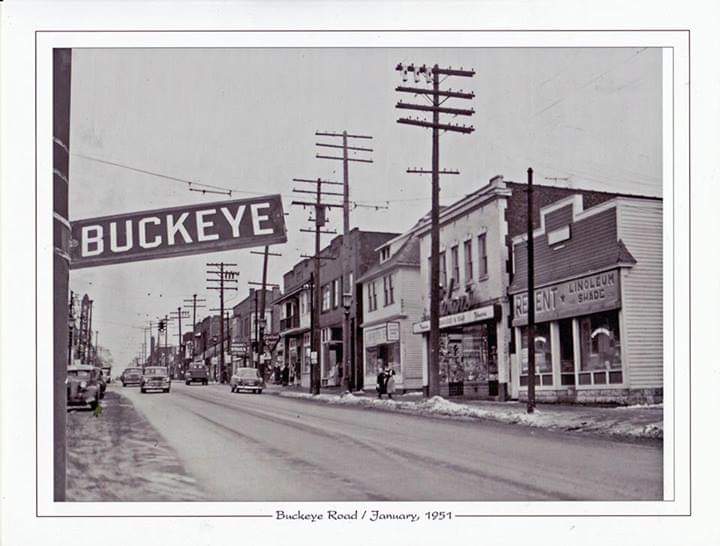
According to the source of the Cleveland State University, the first Hungarian immigrants set foot on Buckeye Road in the 1880s, however, the local Hungarian community remained a transient neighbourhood of only a few hundred residents until the 1920s. The two World Wars and the Trianon Treaty brought dramatic political changes and economic hardships for the people of Hungary, and as a response, large masses fled their country in a bid to build a new life overseas. In the early 1930s, the neighbourhood witnessed the biggest expansion of the immigrant community, an increasing number of Hungarian residents purchased homes, and, dismayed by the historical outcomes, went through the naturalization process to become American citizens. Hungarians constituted 18 percent of the region’s foreign-born population. Hungarian businesses soon dominated the entire span of Buckeye Road: around East 79th Street and Holton Avenue, on lower Buckeye from East 79th to Woodhill and Upper Buckeye from East Blvd. to East 130th Street.
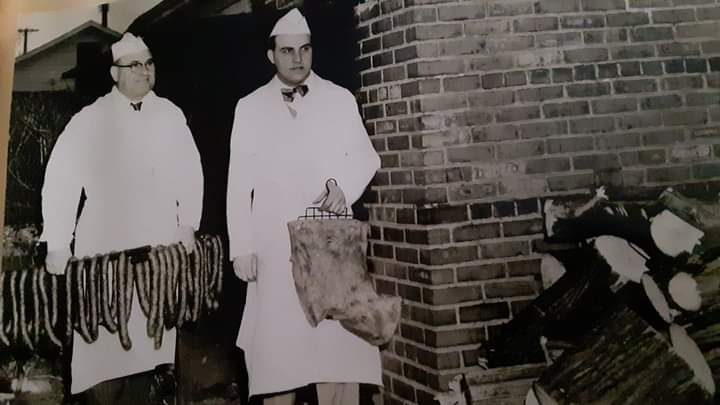
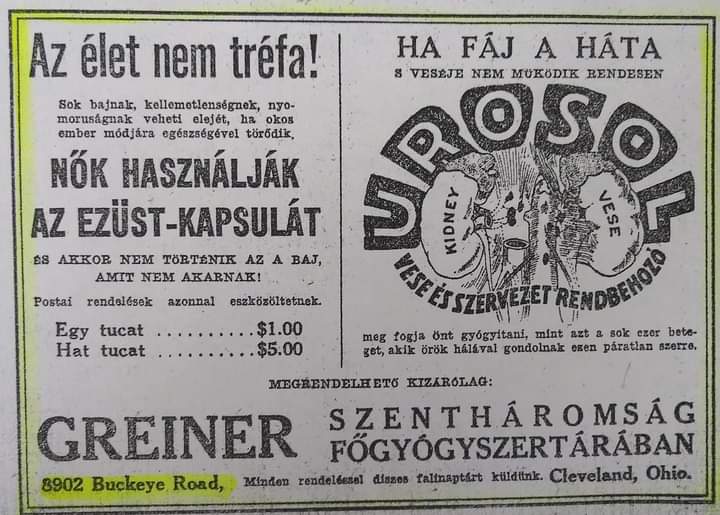
The heritage and customs of the old-timers were cherished and preserved within the community. Children were taught Hungarian, and businesses and services were provided by fellow immigrants who shared the same mother tongue. Travelling vendors were compelled to learn some basic Hungarian so that they could sell their produce to the locals. People living on Buckeye Road formed a dynamic ethnic entity. Seven churches and three synagogues served the religious community, while eight clubhouses owned by Hungarian organisations frequently held events such as grape harvest festivals, bazaars, card parties, New Year’s Eve dances, theatre plays, picnics, banquets and traditional Hungarian weddings. Six Hungarian newspapers delivered the news to the residents of Buckeye Road. On Sundays, older children could go to the movies unsupervised to watch the latest Hungarian movies. Gypsy bands travelling in wagons and serenading to the people on the street were also common sights. The most prominent social gala of the neighbourhood, the annual ‘Night in Budapest’ was first organised in the 1950s and hosted such big names as Zsa Zsa Gabor and Kurt Kasznar.


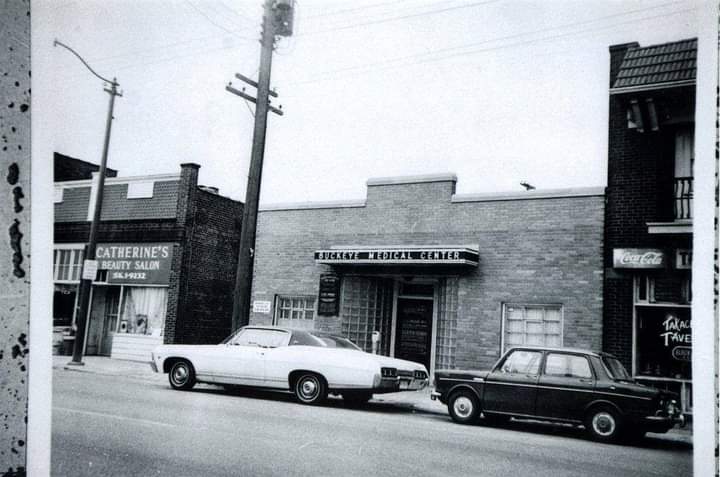
It’s not the urbanization that weakened ethnic communities in the US, it was white flight and suburbanization after World War II when mortgage programs were made available only to white veterans.