Subscribe to our social channels to get the latest news about Hungary!


Many Hungarians think that the different nomad people of the steppe introduced pants to the “educated” Europe. Some may even say that the Hungarians did so and taught West European countries to wear breeches. Or at least the Huns, regarded by many Hungarians as their ancestors in the Carpathian Basin. But where does the truth lie? Who did invent the pants? Helló Magyar answers all your questions on the issue.
Ferenc Kanyó, a journalist of the Hungarian news website, published a relevant article on 28 January. He argues that many Hungarians like to share social media posts or emails stating that the Hungarians introduced this garment to Europe. These materials claim that while Romans and Greeks wore togas and skirts, the Eastern nomadic people already sat on their horses sporting some kind of slacks.
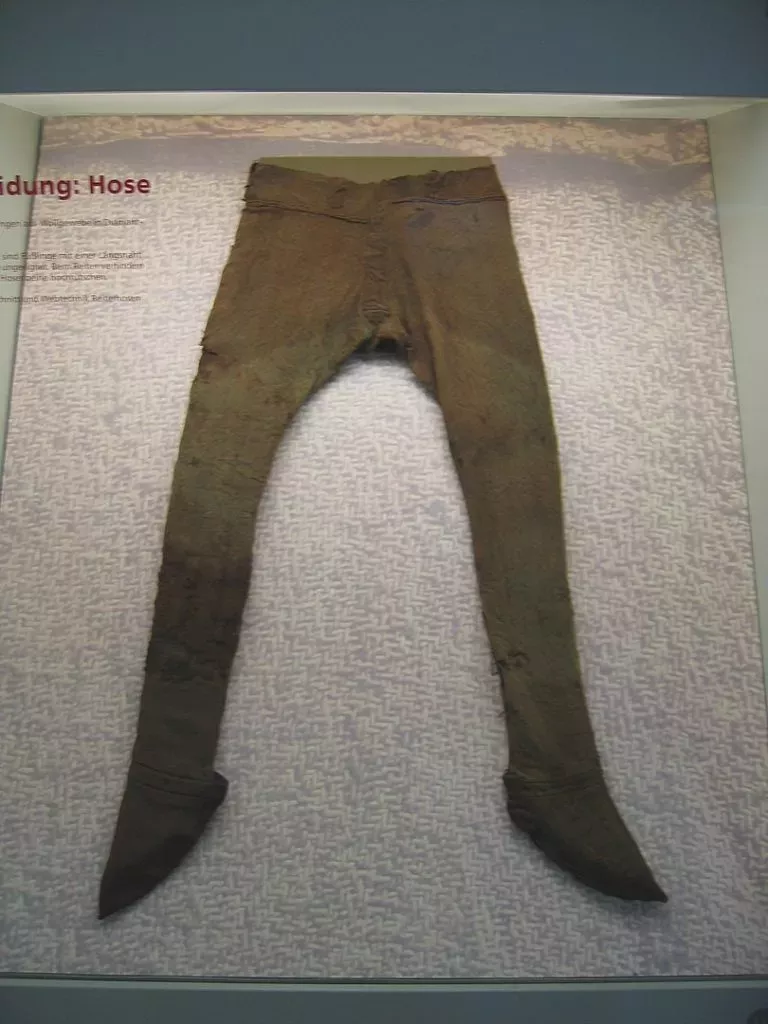
The Hungarian Wikipedia reads that Hungarians introduced pants to West Europe, where people wore skirts. Csaba Hidán, an expert of the Institute for Hungarian Studies, publicly stated that the Scythians and the Huns brought pants first to Europe. Of course, what he says seems to follow logic. Mediterranean civilisations did not need more than underwear to sit on a horse because of the mild climate. However, northern peoples did so. Therefore, they must have invented this piece of clothing.
However, the truth is much more complicated.
To get to the bottom of it, we need to answer two questions.
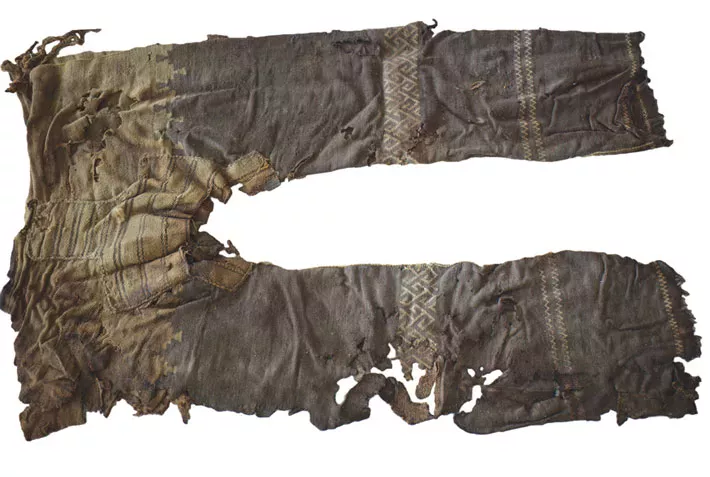
The first known pants were discovered in West China. Based on their radiocarbon dating, they were made between the 13th and 10th centuries BC. Experts said that their users were riders who usually died at the age of 40 and wore the pants as part of their uniform.


I have often found that if one compares an entry in the Hungarian language wikipedia with that for the same thing in an English language version, they tell a very different story. So different in fact, that one wonders if one is reading about the same subject.