Subscribe to our social channels to get the latest news about Hungary!


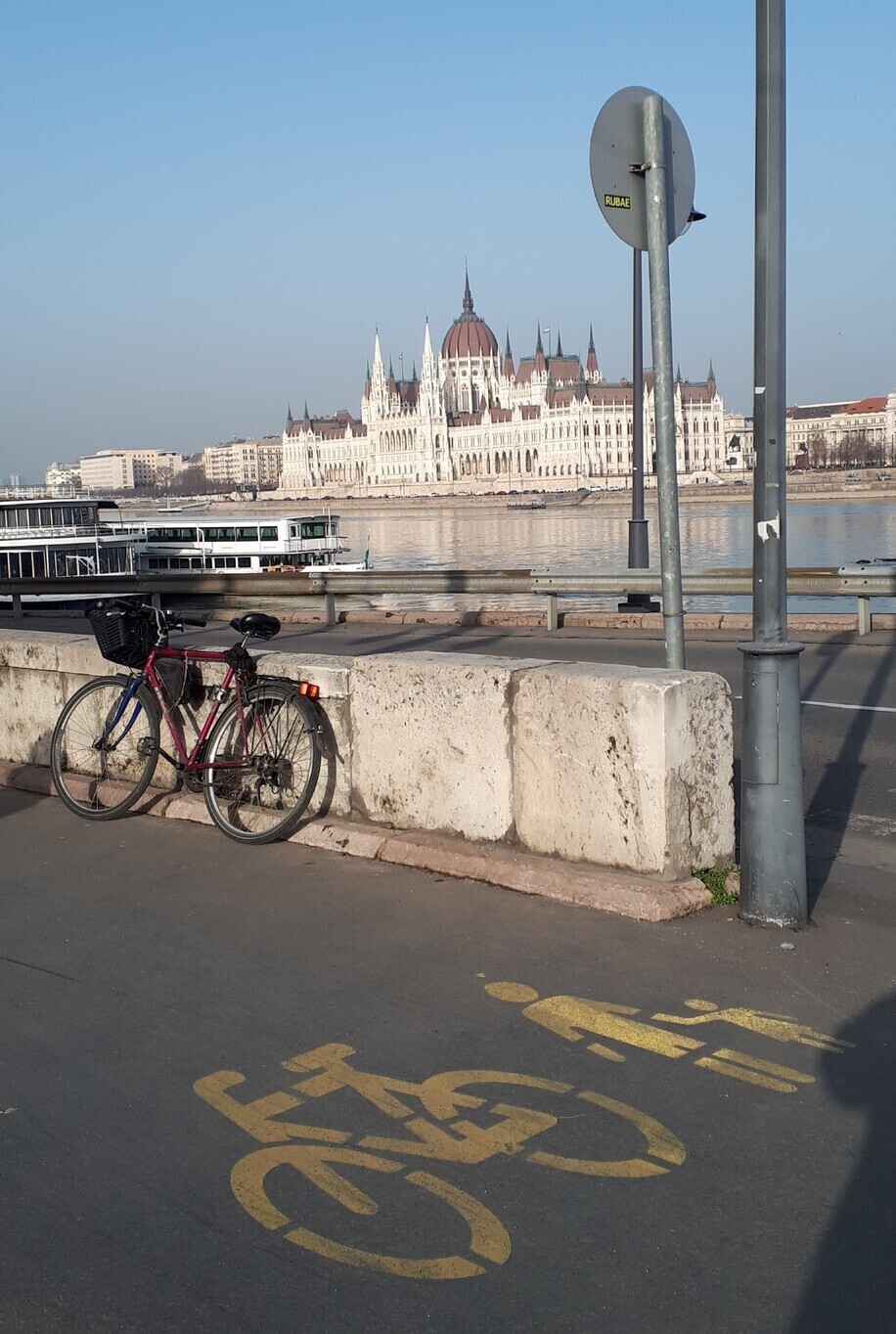
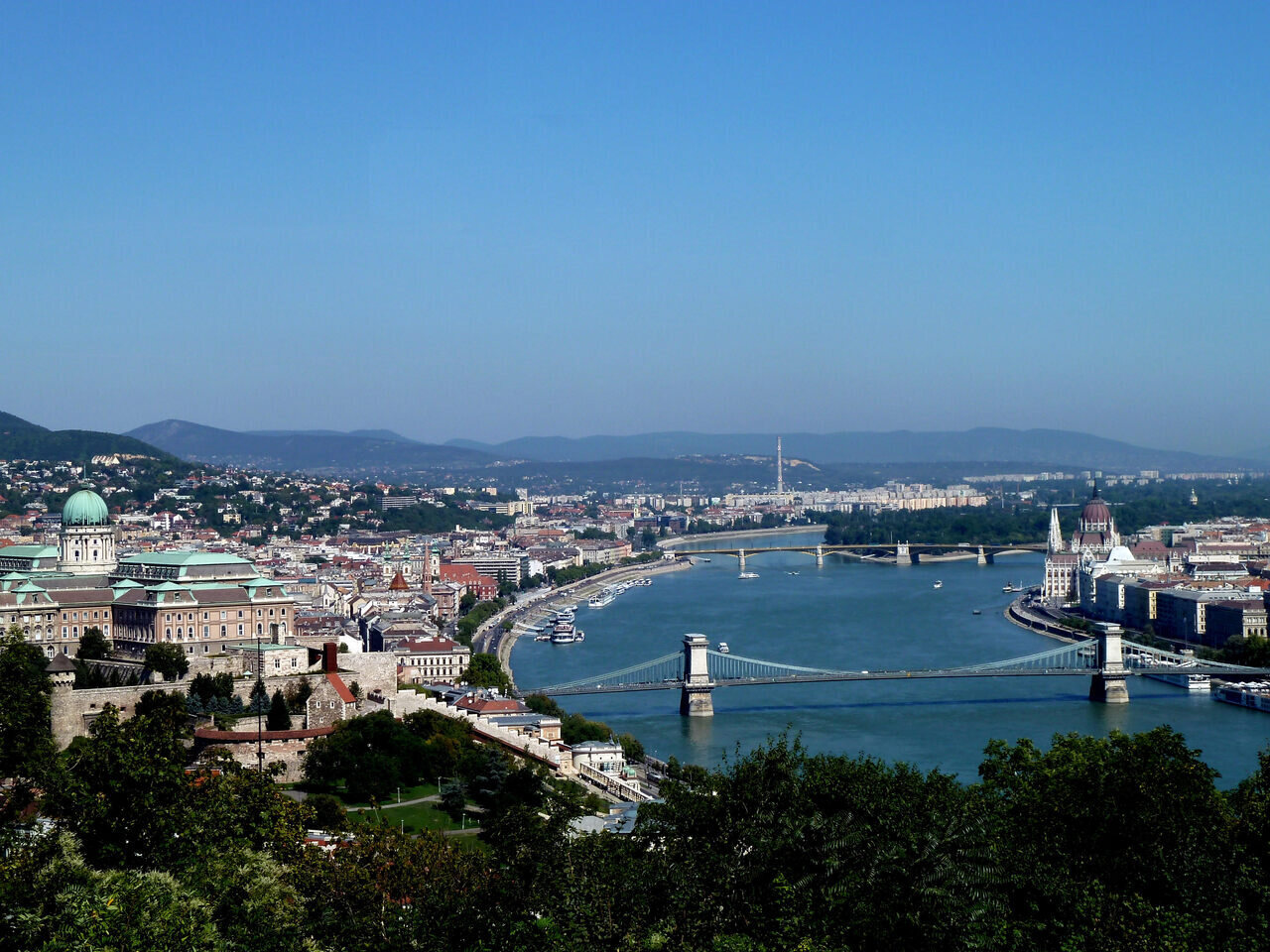
Should you be in need of a lively day out, then how about an “all bridges” city tour in one go? The only real instruction to fulfil this exclusive matter is, follow the pleasant and well-laid-out “Number 6” Duna shoreline cycle lane all the way. From one end of the capital to the other it’s roughly a 20-kilometre jaunt covering nine main bridges, plus additional bridge-crossing diversions, with blissful scenery all the way.
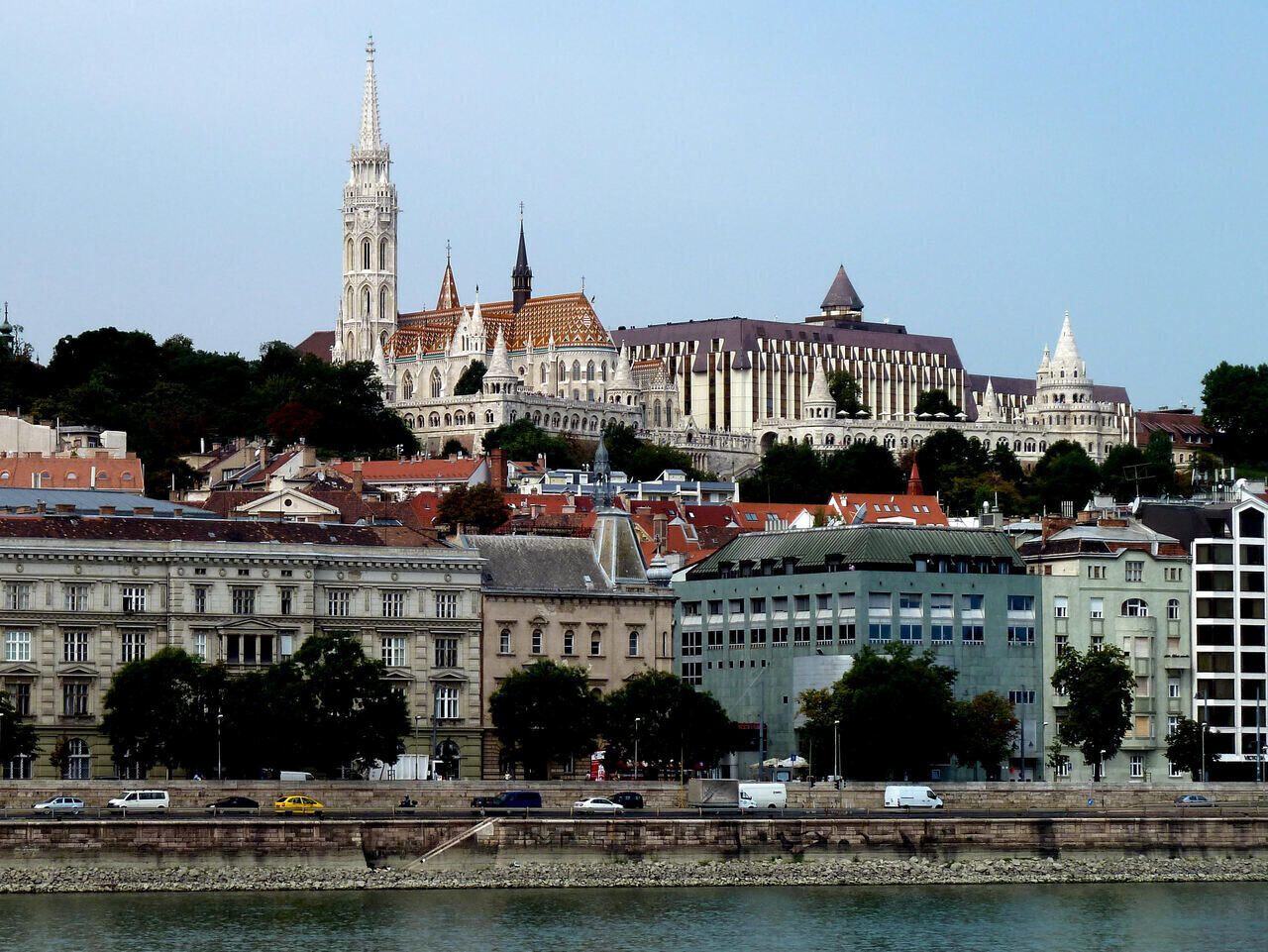
To accomplish this successfully, I suggest taking to the Buda side. The Pest side is also good and sometimes better in parts, offering greater views of the Buda Hills, Castle District and Citadella. But further on it’s more congested and the scenery is far less interesting.
To begin, I also suggest starting off from the northern-most Megyeri Bridge, the newest of the nine having opened in 2008.
This construction is roughly half-way between the central city and Szentendre, and makes a great start with Luppa Island on one side, a sleepy residential area, and the lofty Buda hills on the other. Beyond here it’s wide-open spaces all round.
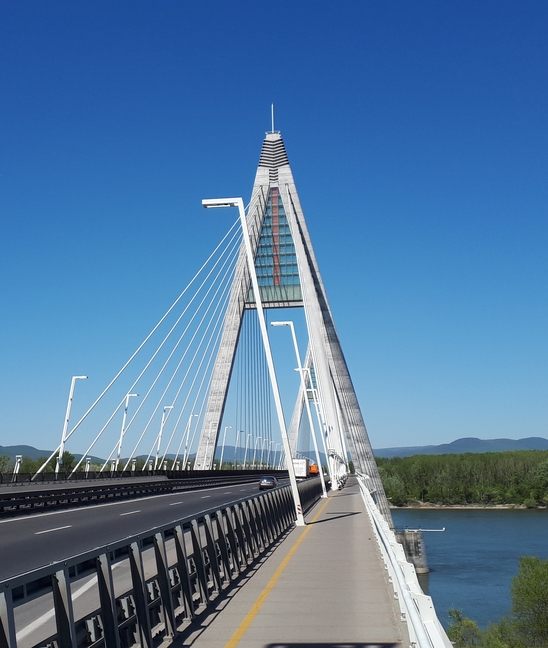
Getting to this starting position requires taking the train from Nyugati to Újpest, then cycle the remaining part, parallel with the arduous Váci út, and turn off at the number 2 Dunakeszi road until completion. Or take the Buda-side HÉV suburban line route from Batthyány tér to Budakalász. Both are awkward and demanding but the rewards for achieving this will be far greater.
When finally at the Megyeri landmark, it’s difficult not to be enamoured by the scenery, as I am each time when there, before making my flow beside the downstream river in the sun-facing southwards direction. In the general quiet and calm of the low-key Békásmegyer hub of northern Buda, alongside with the elegance and prominently tall and standoffish Poplar trees, it all makes very pleasant bicycling. This is the most sedate part of the tour until one arrives at a boathouse, where things liven up with local people taking to rowing in this immediate and unruffled area.
A short while later there is a no-frills consortium of outdoor Balkan-style buffets and bars that generally comes to life when promising weather allows.
It’s the real thing when strolling barefooted on the sandy shoreline, taking a possible dip in the water, sitting on a log and really taking in the immediate riverside view before being served up either a traditional lángos or a fortifying plate of real fish and chips, burgers and ice-cream, which prevails during the day at this family and bike-friendly locale.
Then it’s more a case of beer drinking and some form of outdoor entertainment when the sun goes down over this very mellow and least commercial part of the city.
Moments later one arrives at the impressive Újpest Railway Bridge, which connects with Nyugati and Esztergom, and is also worth exploring. When half-way across, one can just about pick out the main city centre from the far-off horizon. Should you go as far as the eventual Pest side, there is access to the Újpest suburb. Before that, there is the unkempt Nep Island with its smallish, tucked-away ship-yard, outdoor bar, a few holiday huts and an unexpected goat farm. So when ready, make the return to the Buda side and continue with journey.
A short while later one approaches Óbudai Island, which is host to the internationally renowned Sziget Festival. Beyond that point, it is general parkland, as well as an authorised closed-off section.
Still, it’s thrilling to cross the one and only bridge, called the “K-bridge”, onto this island, where some of the world’s musical greats also crossed.
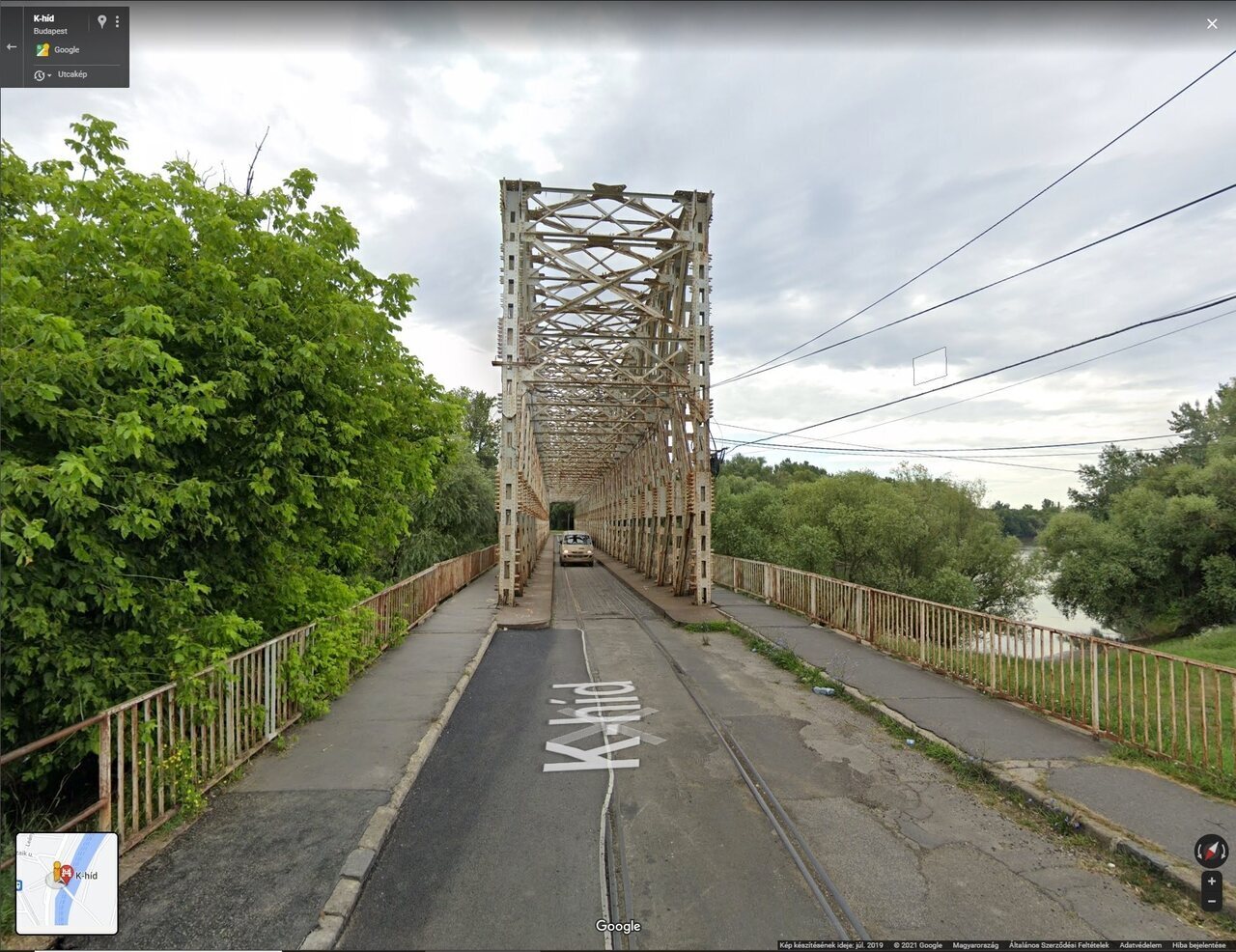
In my case, I tripped the light fantastic when I saw the best of British, Madness, who played in front of thousands of other revellers several years ago. But perhaps it’s needless to say, this otherwise unperturbed landmark is also ‘home’ to the likes of Slash, Robbie Williams, Foo Fighters and the former Prodigy too.
When done with staring into this empty field otherwise, then it starts to get busy. The traffic leading to Árpád Bridge becomes most apparent. With this bridge finally in line of sight, you will notice beforehand another discreet one called the Hájogyári híd (Shipyard Bridge), which is generally off limits to public access. On the one occasion I cycled over, I was sent back by a security guard.
Moments later one arrives at Árpád Bridge and Central Óbuda. It’s worth taking a brief look at this picturesque locale. However, it’s not worth cycling over noisy Árpád Bridge other than to gain access, for another time, to the back way to Margaret Island. At the immediate Pest end is the equally busy Váci út, which is also at a crossroads with the heavy-going Hungária körút.