Subscribe to our social channels to get the latest news about Hungary!


For us Hungarians, folk tales were part of our childhood. They made the early years of more than one generation funny and happy.
Every country has their traditional folk tales. Some are more focused on the geography and the landscape, while others present animals and focus on their relationship with people. Our nation’s authentic stories and tales are dear to our hearts but discovering how other people were brought up and what tales coloured their childhood is an exciting experience.
Get to know autumn folk traditions in Hungary
Does it surprise you if we say that Hungarian folk tales are prevalent in several far-away corners of the world? These stories are all
part of a television series of eight seasons created between 1977 and 2011.
They are the most important production of Pannónia Filmstúdió’s studio in Kecskemét, highlights Helló Magyar.
The main aim to create this Hungaricum was to preserve the intellectual and spiritual treasure of Hungarian folklore for future generations, whose lives will centre around the modern gadgets of their times. They wanted to create an easily understandable depiction of their country’s history and culture. That is why the creators used original folk tales and not their adaptations.
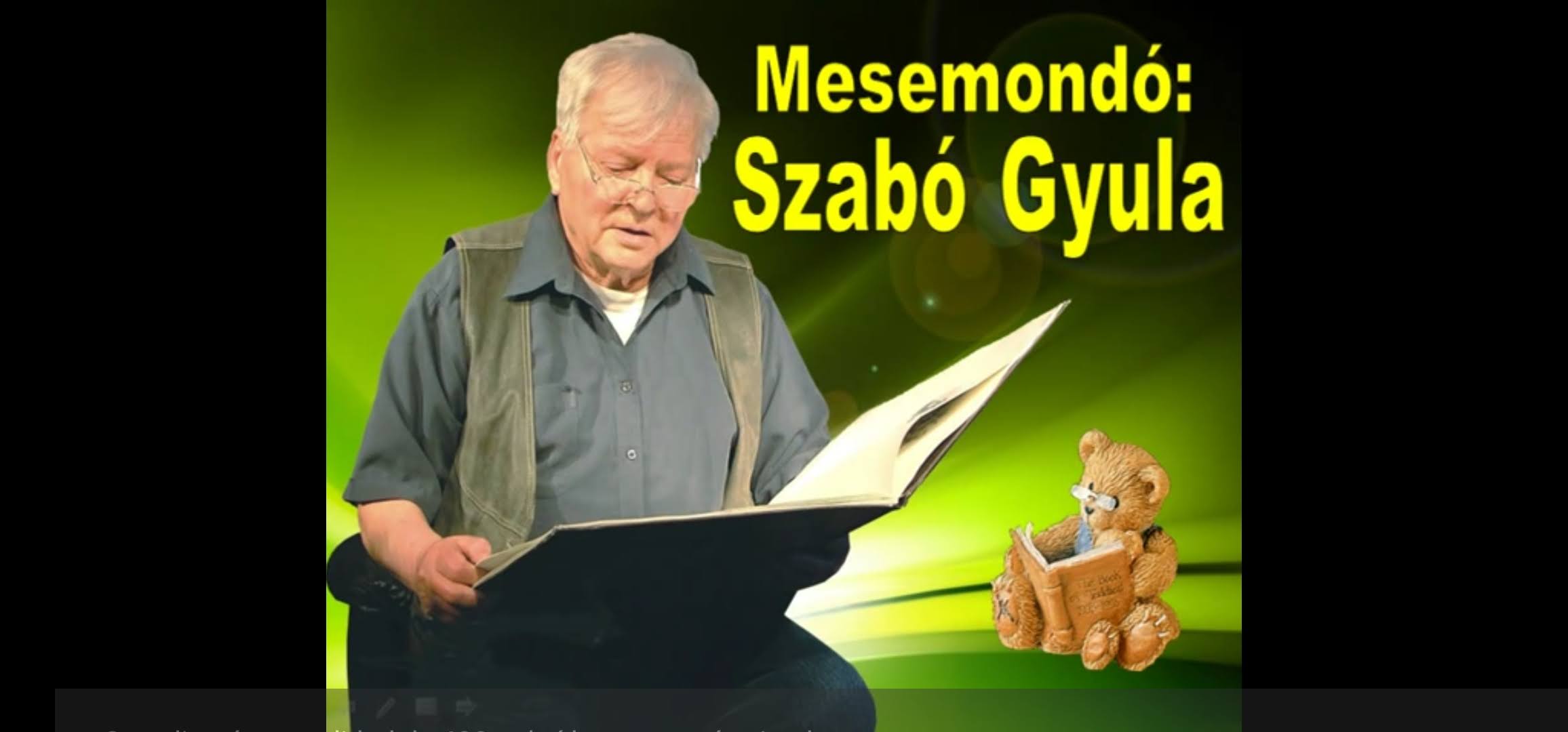
When bringing to life the animated episodes, creators wanted to preserve the archaic beauty of the Hungarian language. Of course, they needed someone whose voice would stand out, that anyone would instantly recognise. That is how Gyula Szabó became the storytelling father of tens or maybe hundreds of thousands of children.
Music, noises, and all sounds played had particular importance to give the complete experience. In almost all episodes,
not only the sweet melodies and songs, but even the tiniest noises were produced by a popular children band, Kaláka.
These features give the series a kind of modernity by building on the authentic Hungarian tales spread in the children’s bedrooms at bedtime and on the porches in the afternoon by the village elderly.


