Subscribe to our social channels to get the latest news about Hungary!


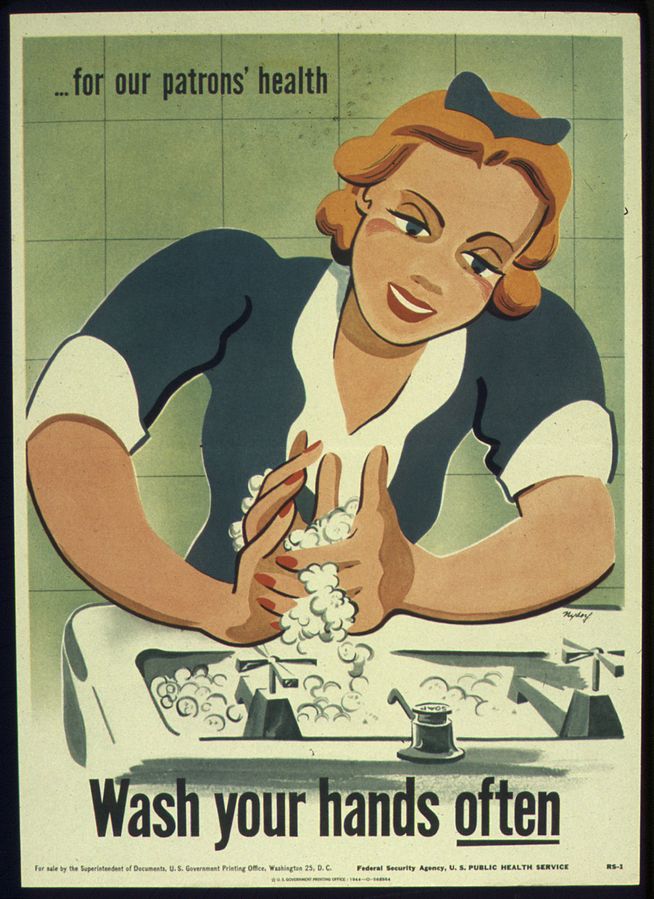
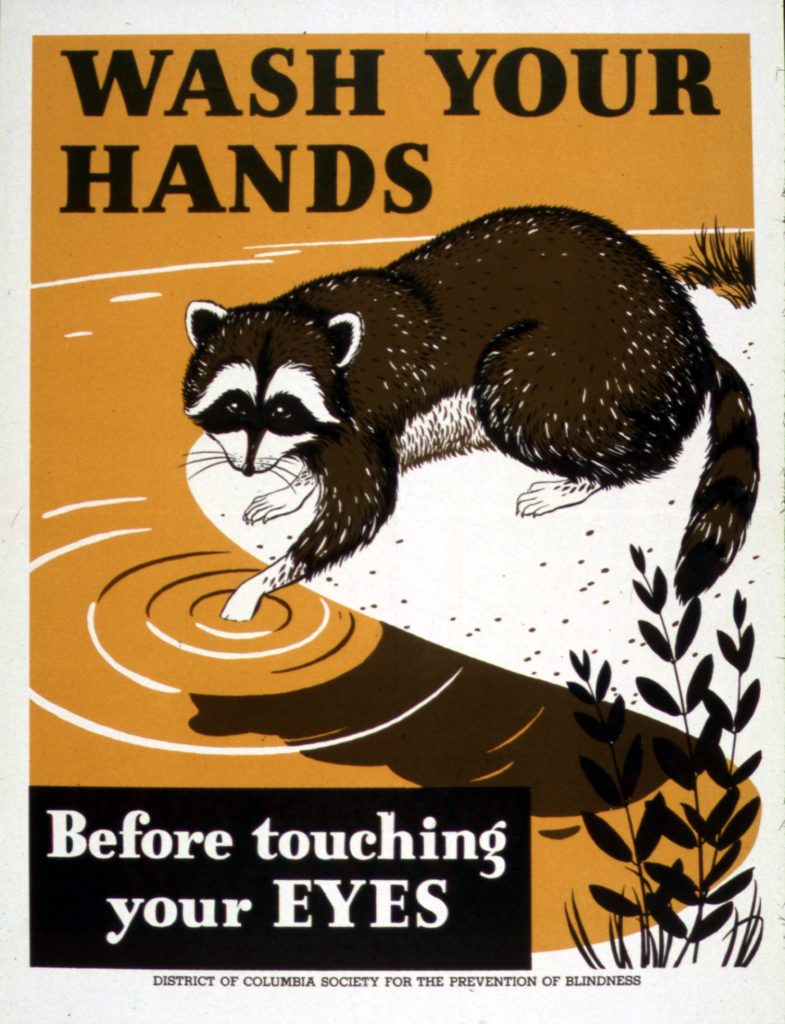
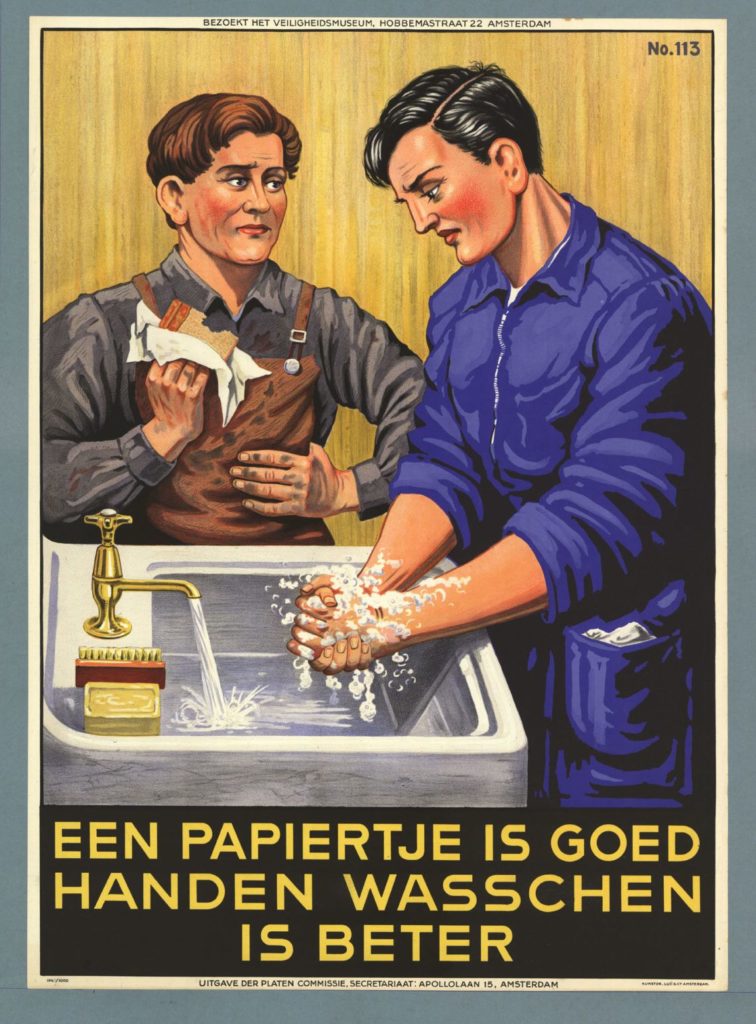
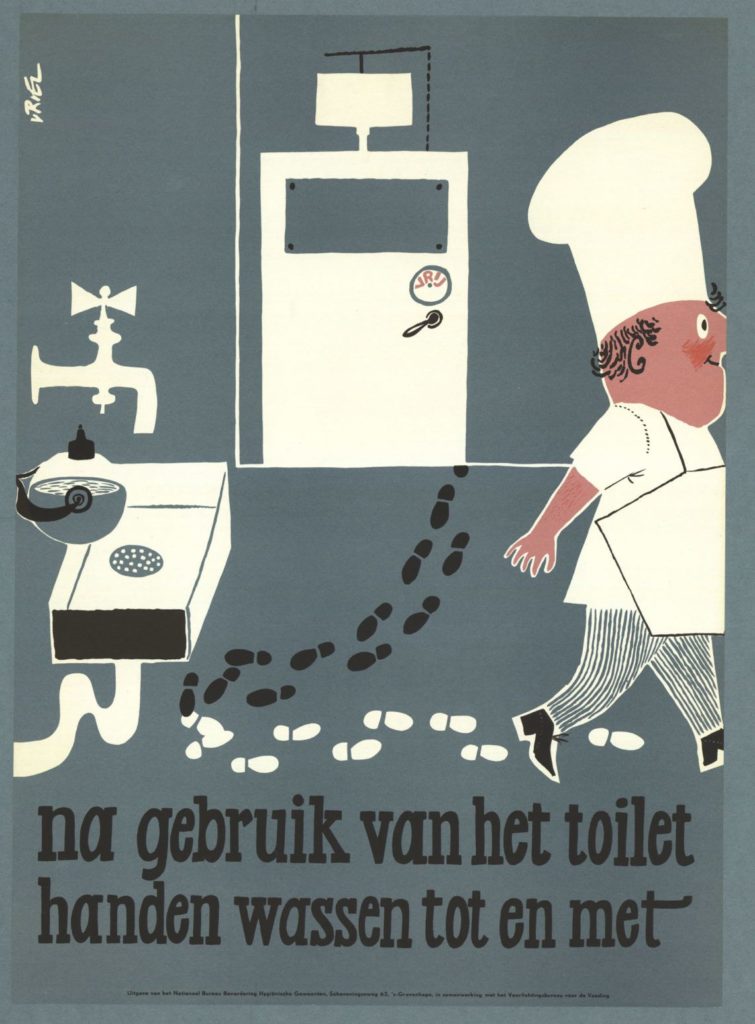
Handwashing has been a significant and evident part of personal hygiene; however, it only became part of our daily routine 150 years ago, thanks to the ground-breaking discovery of the Hungarian physician, Ignác Semmelweis. Since then, numerous posters and signs have been created to raise public awareness of the importance of handwashing, says 24.
During the current pandemic, regular and careful handwashing is considered to be the most effective way to protect ourselves. Today, this practice appears to be rather self-evident, but considering human history, it has only recently become an important part of our everyday life. Two of the most notable figures of microscopy, microbiology and disease prevention were the Dutch scientist, Anton van Leeuwenhoek and the French biologist and chemist, Louis Pasteur.
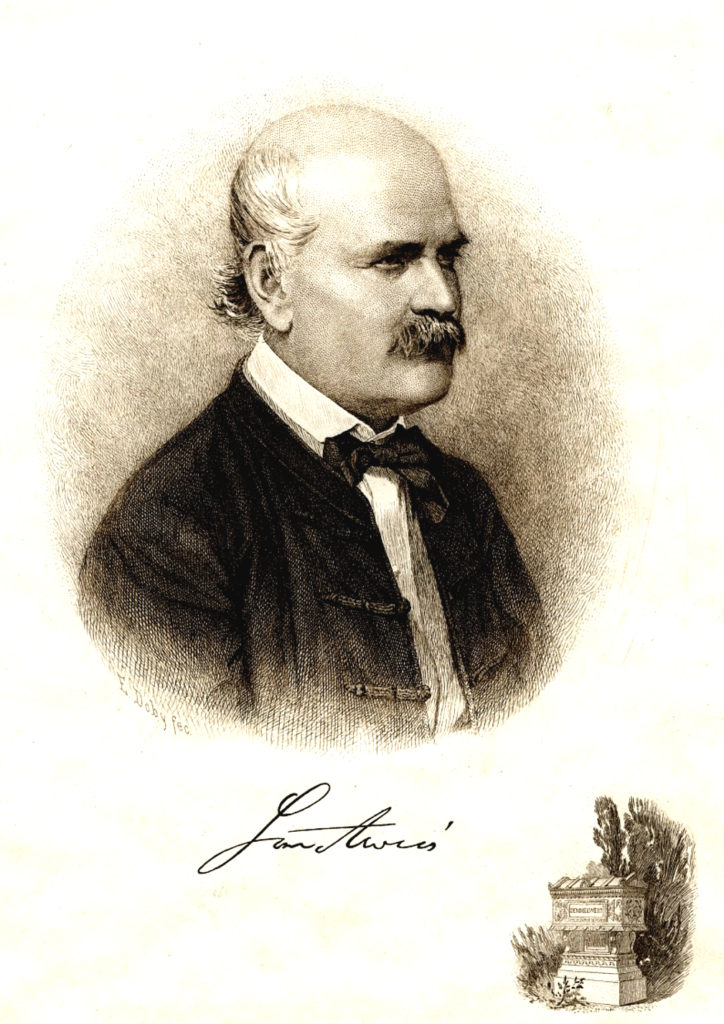
The world-famous Hungarian physician, Ignác Semmelweis, known as the “saviour of the mothers” also had a crucial role in the improvement of hygiene in healthcare.
According to the physician’s biography, he obtained his doctorate degree in 1844 in Vienna and applied for the position of assistant to the professor of the maternity clinic at Vienna General Hospital. Semmelweis observed maternal mortality rates and noticed that the rate of puerperal fever was higher in the cases when doctors and medical students examined patients in the maternity ward directly after performing an autopsy. In 1847, to prevent further cases of infection, Semmelweis tested several chemicals and finally decided to use a disinfectant solution with chlorinated lime.