Subscribe to our social channels to get the latest news about Hungary!


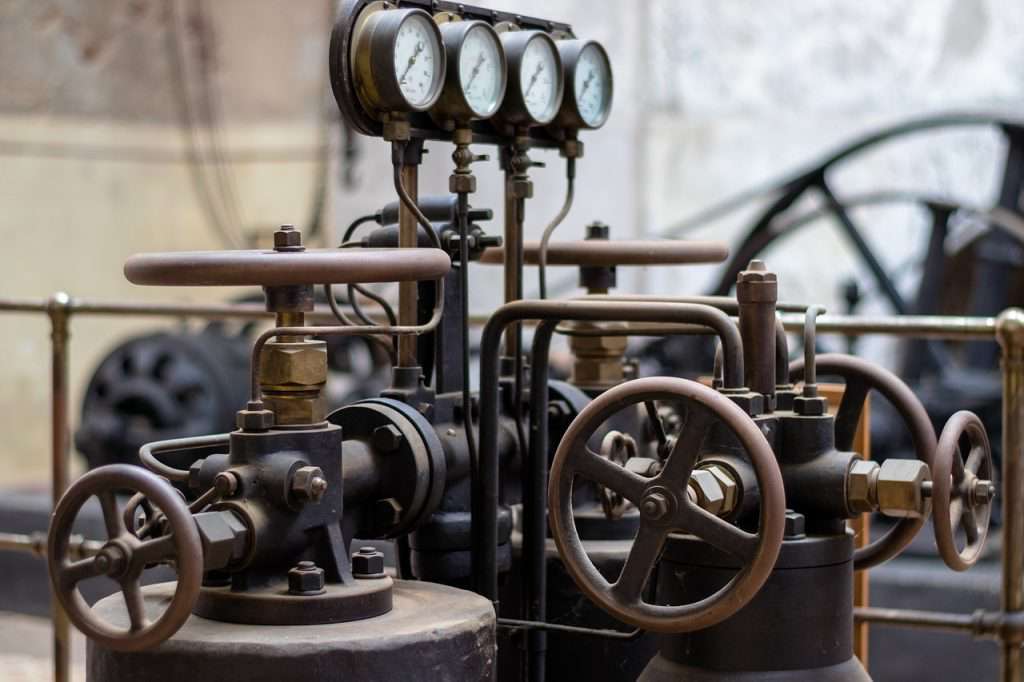
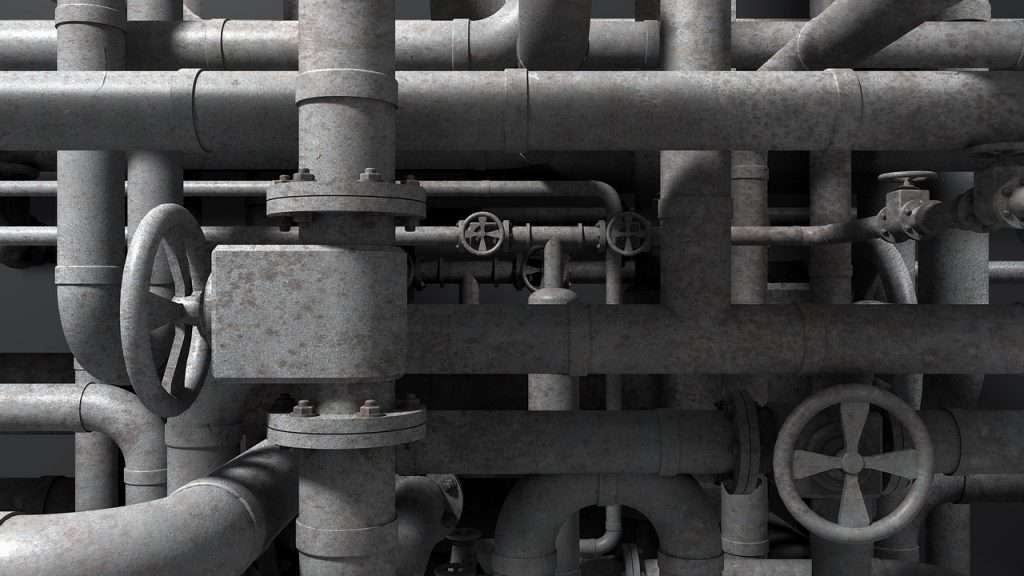
Valves are useful in different industries, particularly in power plants. Imagine the number of valves used in just a single power plant — hundreds! These valves are used mainly to regulate power plant operation.
Sponsored article
Industrial valves, in relation to regulating actuators, are used to control pollution, chemical treatment, cool water, and regulate turbine control systems. These valves work in intense and rough environments and are often exposed to different rough materials, high temperatures, and chemicals. They are crucial when it comes to efficiency optimization, and they are usually the last control equipment in the power plant operation.
Not only that, the increasing demand for valves is more apparent due to forced flexibility in terms of growth accommodation in power plants. Thus, valves must perform at a higher frequency, temperatures, and pressures.
Now, let’s dive in a bit deeper and understand more the aspect of valve blueprinting in power plants.
Even though the standard blueprint for most valves and actuators has remained unaltered, design modifications, as well as advanced applications, are being made to endure the demanding needs of different industries and the environment.
Moreover, by supporting the valve’s ability to perform correctly, the said developments can help decrease costs.
On the other hand, actuators control massive energy flows by adjusting flaps and valves. Both the actuator and valve make a single valve control unit. When it comes to performing various motion sequences, such as pivoting, rotating motions, and linear movements, actuators can perform all of these flawlessly. They are also powered by electrical, hydraulic, or pneumatic energy.
Actuators obtain a control signal from automated control systems. The signal is changed into motion so that the element being controlled anticipates a corresponding channel position. With industrial valves, the process is called a stroke motion. If it involves flaps, rotary plugs, and ball cocks, then it is a pivoting motion.
Developments in terms of electronics have driven innovation in control systems and modern valve/actuator combo are now readily installed in new power plants and other industries.
Renovation of power plants that already existed offer an opportunity to add different new functions to the existing operating system.
Adding and combining additional adaptability in startups are often useful as existing power plants may be needed to turn off or turn on the system a couple of times per day. This is to support the massive available power. There are modern electric actuators that provide more advanced modulating performance. This enables power plants to become more operational than before.
Another thing that provides an opportunity to take note of corrosion protection developments is the renovation project. This is crucial when it comes to a harsh environment with high-temperature areas.