Subscribe to our social channels to get the latest news about Hungary!


March 15th is a significant date in the lives of Hungarians. Even though most of the time men are in the focus when it comes to commemorations, we must not forget that numerous women also took part in the events. Be it with words, actual swords or pioneering acts, these women proved that they were truly loyal to their home country, even years after the revolution.
Noklapja.nlcafe.hu compiled a list of women who played important roles in the events surrounding and following the 1848-49 revolution.
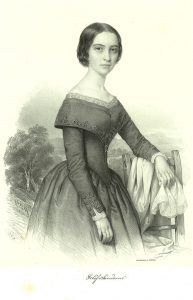
Júlia Szendrey is mostly known as the wife of Sándor Petőfi, the beloved poet, left behind when he went to fight in the revolution. However, it is a lesser known fact that she also believed fervently in the cause of the revolution and, in April 1848, she called on women to send their sweethearts, husbands and sons to fight.
Contemporaries criticised her dedication to the revolution, with some going as far as accusing her of sending her husband to his eventual demise by being so outspoken in favour of the revolution. Whatever the truth may be, it is certain that she believed in the cause and helped women realise that they can contribute as well, if nothing else then by supporting their husbands.
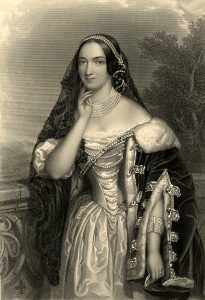
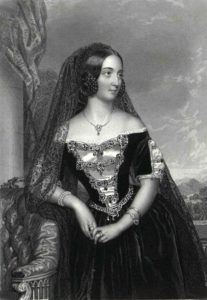
Antónia Zichy (the wife of Lajos Batthyány) and her sister, Karolina Zichy (the wife of György Károlyi), were esteemed members of the aristocracy. They used their status for the respectable cause of proclaiming the Hungarian agenda. They were adamant about wearing Hungarian clothes, using the Hungarian language, dancing to Hungarian music and buying exclusively Hungarian products. Their influence on the Hungarian political elite’s mentality continued after the revolution, too.
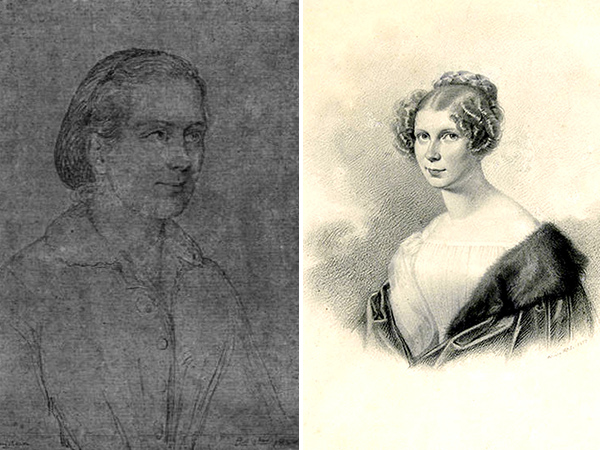
Klára Leövey and Blanka Teleki’s influence on forming the minds of the next generation of women is undeniable. They both taught their pupils in the spirit of national values. Following the events in March, Leövey often attended the meetings held in the garden of the Hungarian National Museum, while Teleki left her mark by writing manifestos proclaiming patriotism. They both attended to the wounds of Hungarian soldiers as the fights progressed. Then, in 1851, they were both arrested for hiding politicians from 1848 from the authorities.
In the middle of the 19th century, it was unheard of that a woman could use a sword properly. This did not stop Júlia Bányai, though, who enlisted in the troops at Nagyvárad in her late husband’s name. There, she prompted attention through her excellent spying skills. Later, she even got as far as being in charge of the Transylvanian troops as József Bem trusted her skills so much.



Very interesting article.