Subscribe to our social channels to get the latest news about Hungary!


The leaders of the future, the future of journalism – big words and issues that need to be discussed, even if there is no consensus concerning the answer. Foretelling future trends and patterns is not an easy task in the ever-changing field of media. However, we can all contribute by joining the conversation Engagement, storytelling, diversity – that is how I saw #FNW18.
I was lucky enough to be chosen to represent Hungary at the 2018 Future News Worldwide conference held in the Scottish Parliament. It is essentially an intensive media training programme for young, aspiring journalists, reporters or media students from all over the world.
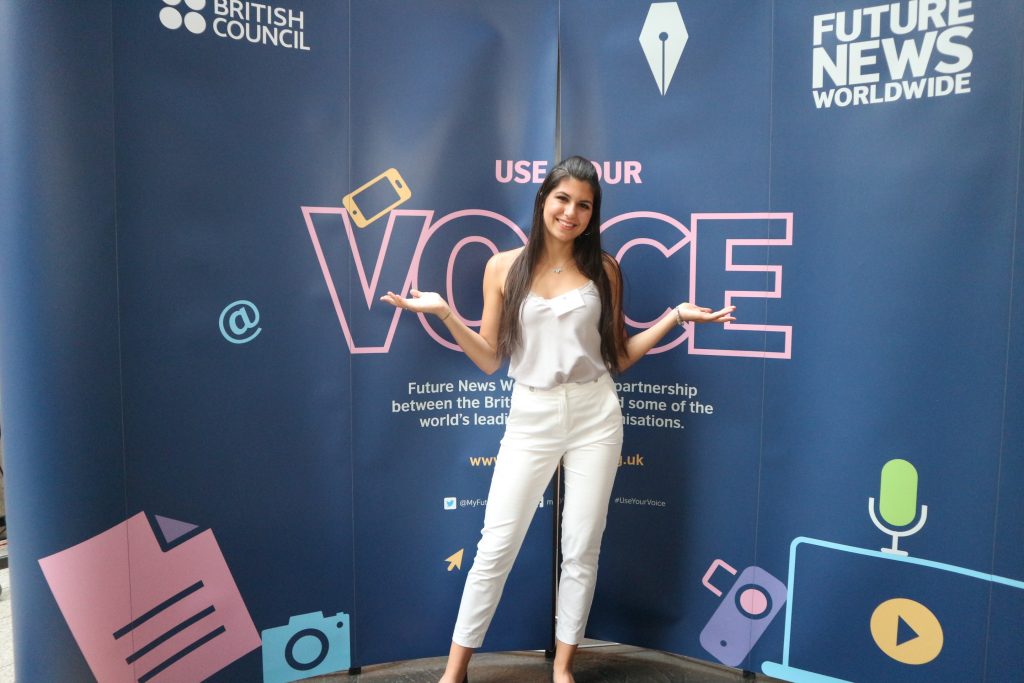
The programme is organised by the British Council, which collaborates with some of the world’s leading media organisations each year to connect the next generation of global journalists.

This year, the lecturers and workshop leaders came from top media organisations and platforms, such as BBC, Reuters, Facebook, Google, Vox Media and further fascinating initiatives like Code for Kenya, Hashtag Our Stories and Media Legal Defence Initiative.
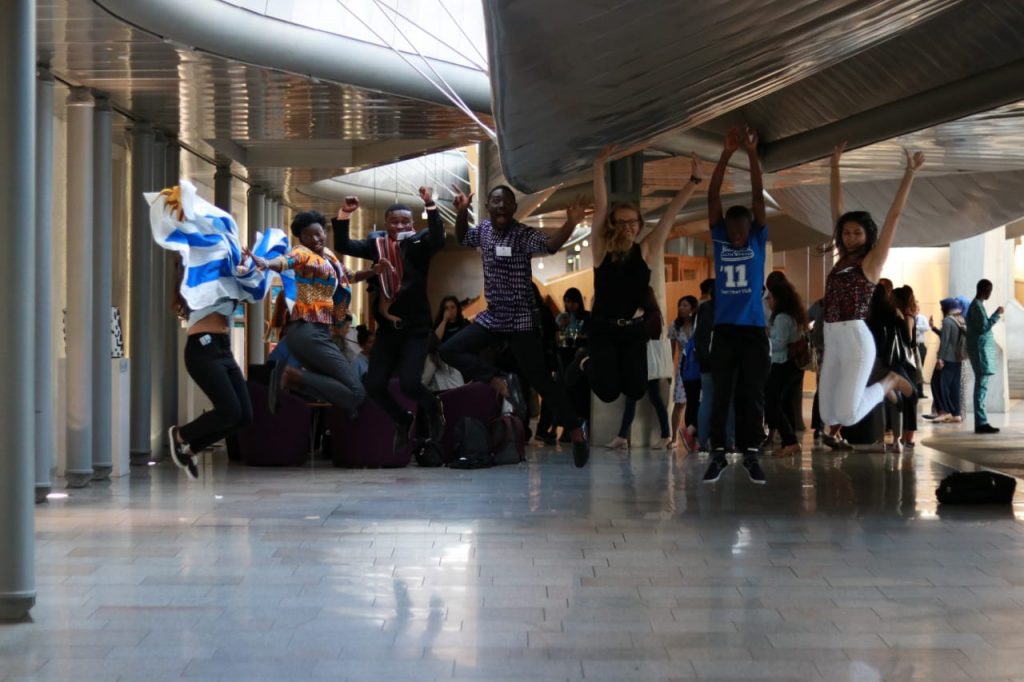
The conference was held in the modern building of the Scottish Parliament. Edinburgh was very gracious and welcomed us with amazing weather that is considered to be a miracle in Scottish terms. The sunny weather was the subject of many jokes as locals said they would have thought it was fake news if they had not seen it with their own eyes.

By the way, as far as fake news is concerned, the rising phenomenon was not the main focus of discussion. Of course, it cannot be avoided, but the main topics and “takeaways” were centred around storytelling, the engagement of the audience, giving voice to the voiceless, digital newsgathering and verification.
Instead of summarising every presentation, I would like to recap some of the most important pieces of information and sentences that stayed with me.
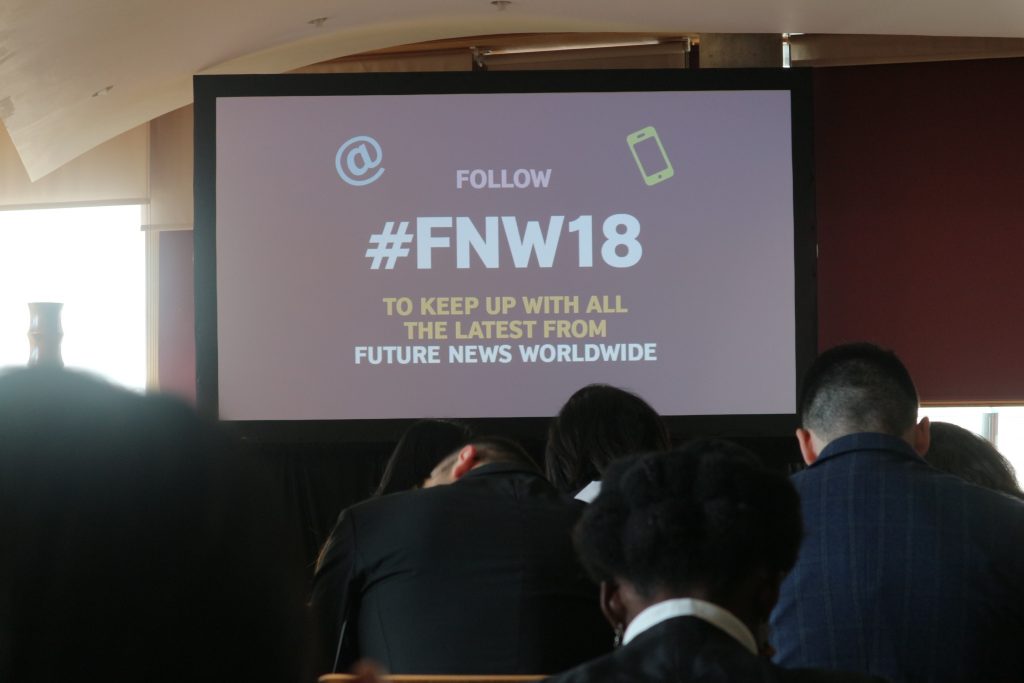
So, the first conference day was kicked off by Catherine Gicheru, experienced veteran journalist and country lead for Code for Kenya. She highlighted the importance of personalisation and the need for humanising intangible elements such as numbers.
Then came the favourite of many, Melissa Bell, the Co-Founder of Vox. She identified “WTF” problems and invited us to look for solutions. She encouraged us to step out of our comfort zones and reminded us that we should never underestimate the audience.
As she said “Find people you do not agree with, people that challenge you”
We also had the chance to listen to Lucy Freeman, the CEO of Media Legal Defence Initiative and learn practical skills from Google and Facebook through their tools empowering digital journalists. The session about online newsgathering and verification was similarly useful.
During the fantastic gala dinner held in The Hub, the dialogue on the challenges of journalism was continued under the lead of Alessandra Galloni, Global News Editor of Reuters. She emphasised eight principles and encouraged young female journalists to stand up for themselves with confidence.
The role of women in media was further discussed with Carrie Gracie, BBC News Presenter, on the second conference day.