Subscribe to our social channels to get the latest news about Hungary!


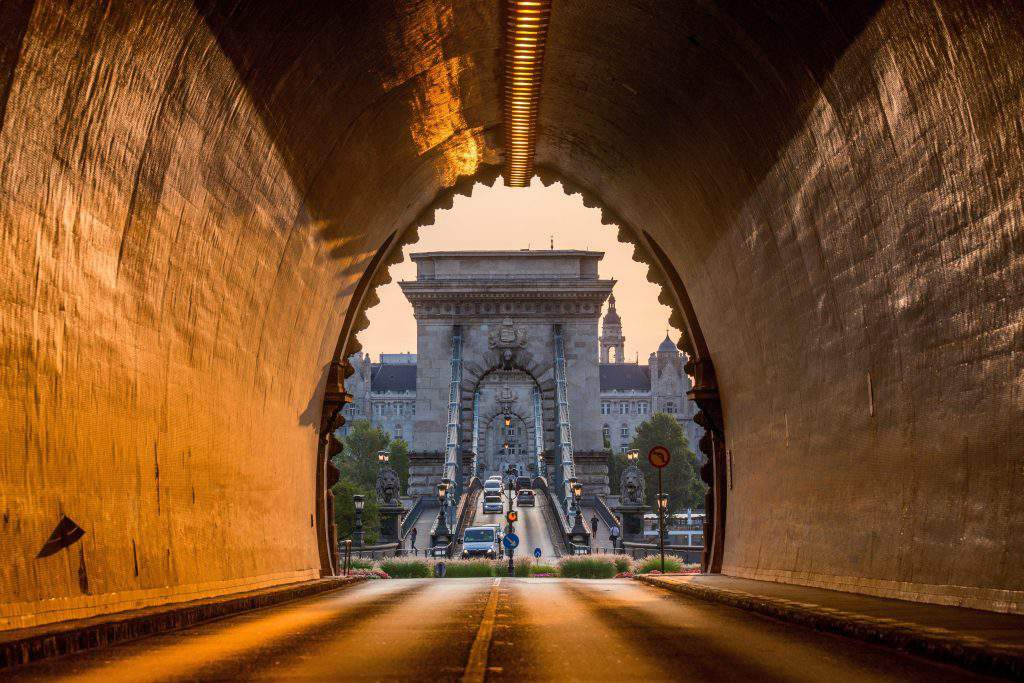
According to 444.hu’s report, plans frequently change in Budapest, the Hungarian capital. In February this year, the idea was to renovate the Chain Bridge, the tram tunnel on the Pest side of the bridge, the Buda Castle Tunnel and Adam Clark Square all at the same time. Since then, these projects have been moved further away from each other in time, presumably because of lack of money.
Originally, all renovations were planned to be complete in only three years, meaning the bridge would have had to be shut down only until 2021. However, the schedule has changed since then. Chain Bridge is expected to be renovated between 2018 and 2021, from a sum of 11.1 billion Forints (about 35 million EUR). The tram tunnel requires 5.2 billion Forints (16 million EUR) and is expected to be completed by 2020. Renovating the Tunnel would start only in 2021, lasting until 2024, using 5.7 billion Forints (19 million EUR), while works on Adam Clark Square would take place between 2023 and 2024, requiring a sum of 392 million Forints (1.2 million EUR). The new plans mean that the bridge in the city centre could not be used for 7 years.
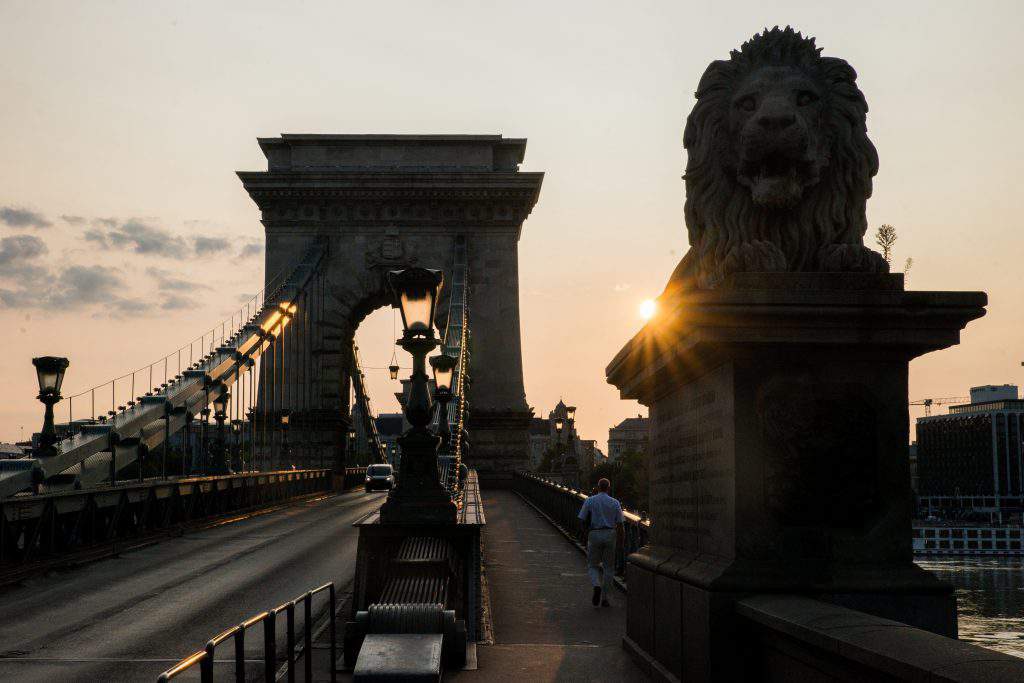
According to the new plans published in April, Chain Bridge and the tram tunnel under István Széchenyi Square will be renovated between September 2018 and June 2019. The budget planned is 16.4 billion Forints (52 million EUR).
Deadline or budget for the renovation of the Tunnel or Adam Clark Square have been omitted, and these projects got renamed as the 2nd phase of the process.
Many might believe that the number of years the bridge will be closed down is only important to citizens complaining about losing their comfort for a while. However, since Budapest is planning to invest a lot of money (709 million EUR) in the project, it actually does matter how long the renovation will last.
The point of such a project is to improve the situation for citizens and commuters. The benefits usually last for about 30 to 40 years, but, if the people regularly using that route have to bear seven years of inconvenience, then up to a fifth of what is gained could be lost.
The too slow, maladministered works resulting in traffic jams and worsened conditions would lessen the profits significantly.
The outrage caused by the renovation of metro line M3 urged the capital to add further lifts to the project between 2018 and 2023, for which they needed a 5.6-billion-Forint budget (18.7 EUR). This news is a major improvement to the project, even if it means that the money will probably come from the sum assigned for the renovation of the tunnel. The two budgets are about the same, so it is no wonder that completing one of them will take a few years longer.
Most of the tasks and resources of the local government have been taken over by the Hungarian government. The projects the local government still has authority over include BKK (Budapest Transport Centre), BKV (Budapest Transport Company), tending to parks and dealing with traffic issues. The hands of the local government are tied; basically, all their funds have been spent on projects up to 2020.
The capital cannot get a loan because it is already seriously indebted. The government took on some of these debts, in exchange for having the authority over when and what kind of loans the local government can apply for.
This means that often loans for the projects favoured by the government get approved or that certain business circles are needed to succeed.
The life expectancy of the ferroconcrete elements is about 100 years, with other main parts expected to last around 30 years. So, this renovation will determine for a long time what traffic will be like on the oldest and most well-known bridge of Budapest. Because the plan is to rebuild the old structure, that might not be such good news.
On most days, constant traffic jams cover the bridge, and the sidewalks are full of tourists. Since there is no pedestrian crossing, tourists always cause trouble crossing the street through the warped barriers on both sides of the bridge.
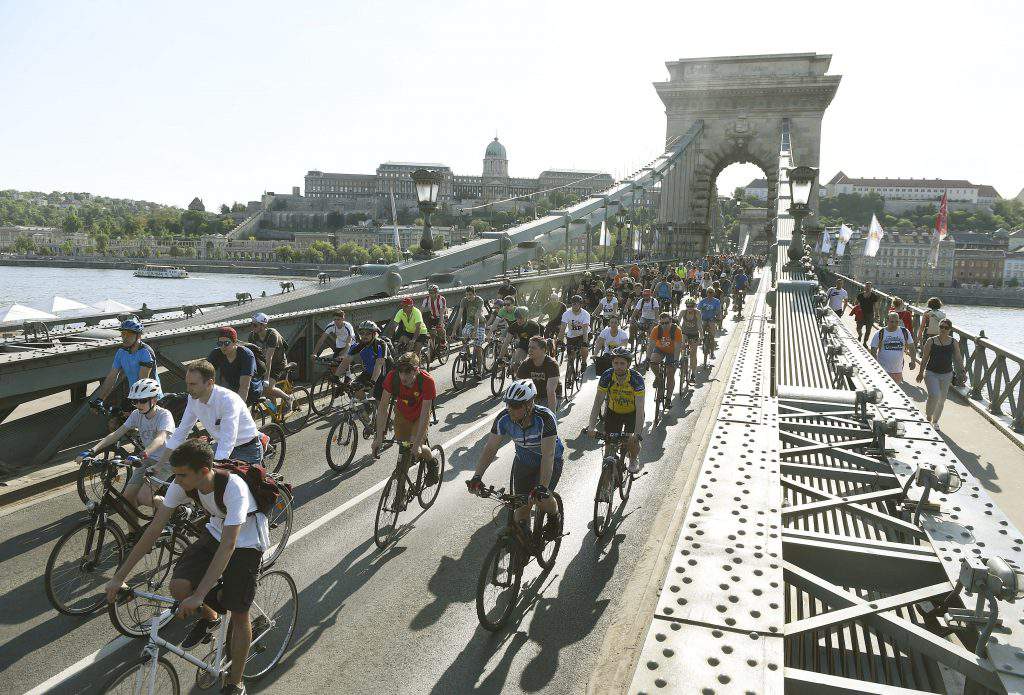
Doing this legally requires a small excursion to get to the other side of Széchenyi Square, and to reach the pedestrian way leading to the Basilica, the only option is to make an illegal shortcut.
Since tourists are a major income factor for the capital, it is especially sad that thousands of them have to deal daily with such sorry conditions at such a major sight of the city.
According to information from BKK, around 20 thousand transport units pass through the bridge both ways each day, and buses are reported to have 14-15 thousand passengers. Transportation engineers consider cars to be one unit, with an average of 1.2 passengers, while a bus counts as 2.5 units, with the 14-15 thousand passengers mentioned. So, what this means is that