Subscribe to our social channels to get the latest news about Hungary!


After looking at the legends connected to famous sights in the capital, we are changing the direction towards major cities in different parts of the country. In this series, we collected 4 legends about the city of Győr about which we are going to unveil some secrets. Join us and get to know more about this historical city.
The legend of the iron rooster is the most well-known story of Győr. As Irodalmijelen.hu reports, it symbolizes the victory of freedom, courage and Hungarian inventiveness. The fairy-tale-like legend revives the story of the recapture of the castle of Győr from the Turkish army. The iron rooster sitting on the bastion was meant to show the direction of the wind, but the leader of the Turkish army, Szinán pasha, believed that the castle is impregnable until the iron rooster does not crow.
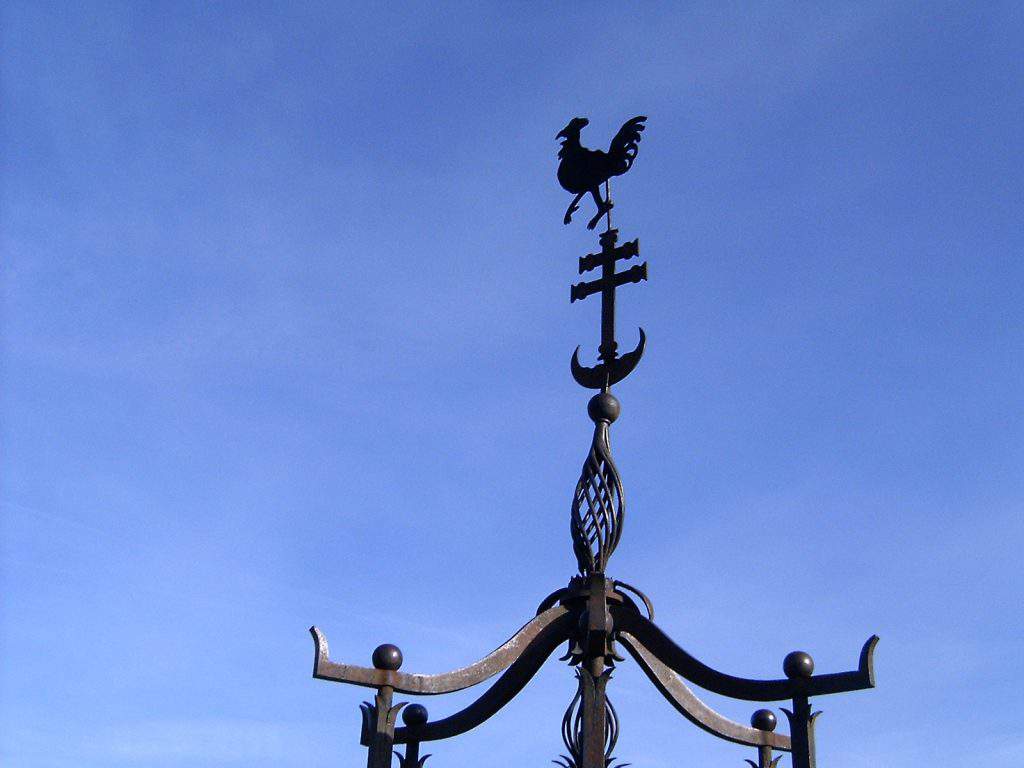
The other protagonist of the story is a cobbler, called Ferkó Bajusz, who, climbing up the bastion where the rooster sat, crowed like a cock on the night of the siege. In fact, the inhabitants of Győr wanted to recapture their castle for quite a long time and the sound of a trumpet blown by Ferkó made the Turkish army believe that the prophecy came true.
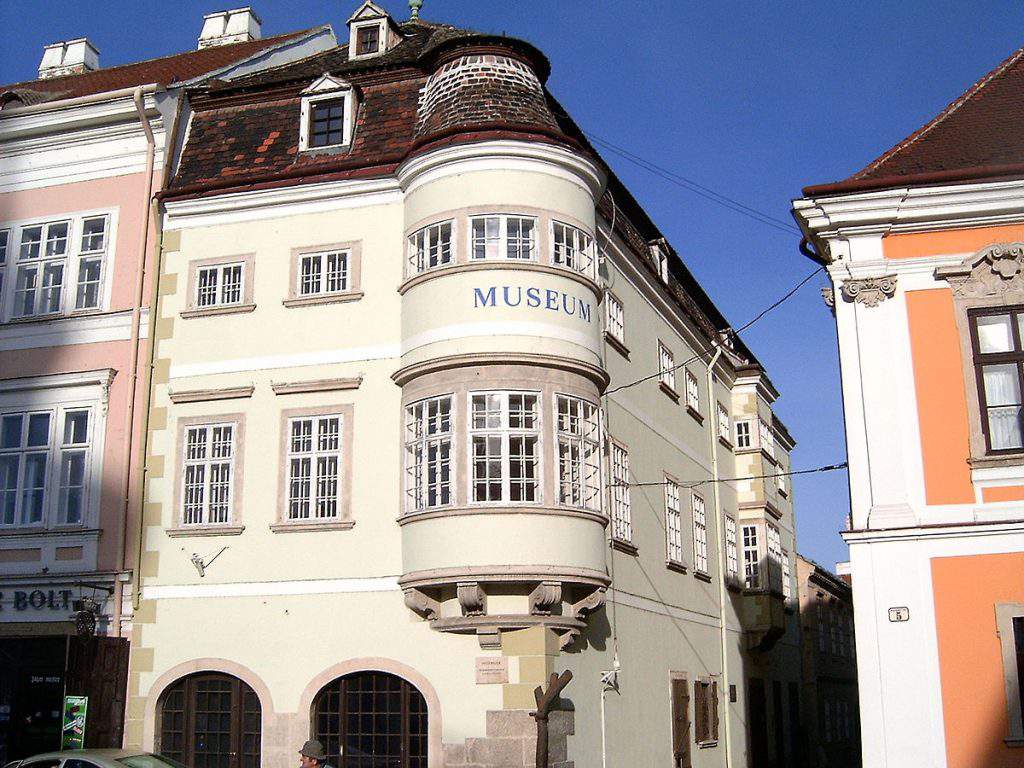
What we know for sure is that under the cover of darkness, the Hungarian and Austrian troops blew up the Fehérvári gate and recaptured the castle. As far as the famous iron rooster is concerned, it is still preserved in the János Xántus Museum in Győr.
If you happen to visit the city, do not forget to find this historically significant object as well.
The Statue of the Arc of the Covenant stands in Gutenberg Square. This is a Baroque monument of the city the history of which dates back to 1729, reports Kisalfold.hu. The statue is related to a runaway soldier, György Weingasser, who found refuge in the Jesuit church of Győr. He was accused of bigamy, adultery and of using a false name. At the procession organised in the framework of the feast of Corpus Christi, he was helped to get to the bishop’s place and was dressed like an acolyte.
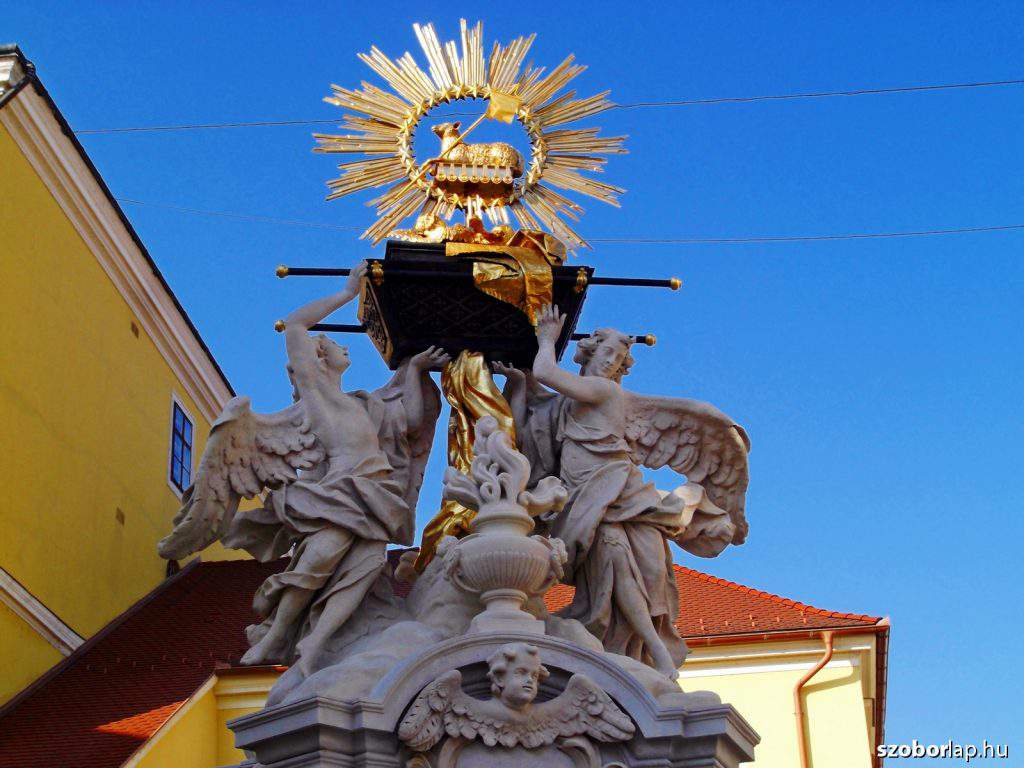
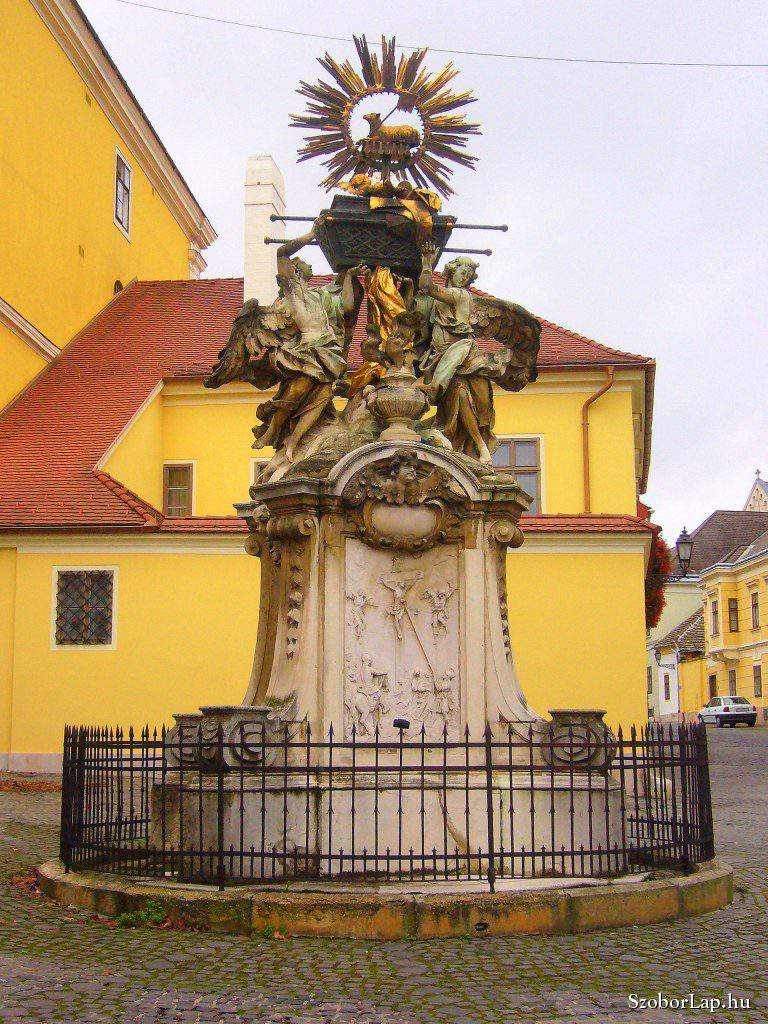
However, despite the effort to disguise the runaway soldier, he was recognised by his mates drinking in the local pub who also informed the police. Meanwhile, a fight broke out and the priest dropped the tabernacle with the Holy Wafer. People trampled on it which meant a great blasphemy and the rumour of desecration spread quickly.
The rumour about the blasphemy reached even the royal court in Vienna and it was Charles III who commanded to set up a statue asking for the pardon of God.



[…] of the journeymen; upon leaving, the men would hammer nails or spikes into the tree as a memento. dailynewshungary.com; hildszki.hu. Right image: The new copy of the Székesfehérvár Iron-Trunk has been inaugurated in […]