Subscribe to our social channels to get the latest news about Hungary!


Today, getting from one side of the Danube to another is a breeze. One can gaze at the beautifully lighted Chain Bridge at night, or have a beer on Liberty Bridge when it is closed from traffic during the summer. The bridges are essential parts of Hungary’s capital. It is hard to imagine that bridges have been connecting the two sides of the Danube: Buda and Pest for 250 years, writes PestBuda.hu. The very first bridge used in Budapest was a floating bridge.
The first floating bridge was constructed in 1767 in honour of the Archduke Albrecht Franz, Duke of Teschen’s visit to Budapest. The bridge became a huge success, and it was used every year from that point on (except in winter months).
A floating bridge is a complicated construction. A floating bridge (also known as a pontoon bridge) uses floats or shallow-draft boats to support a continuous deck so that people or vehicles can use the deck to go across water.
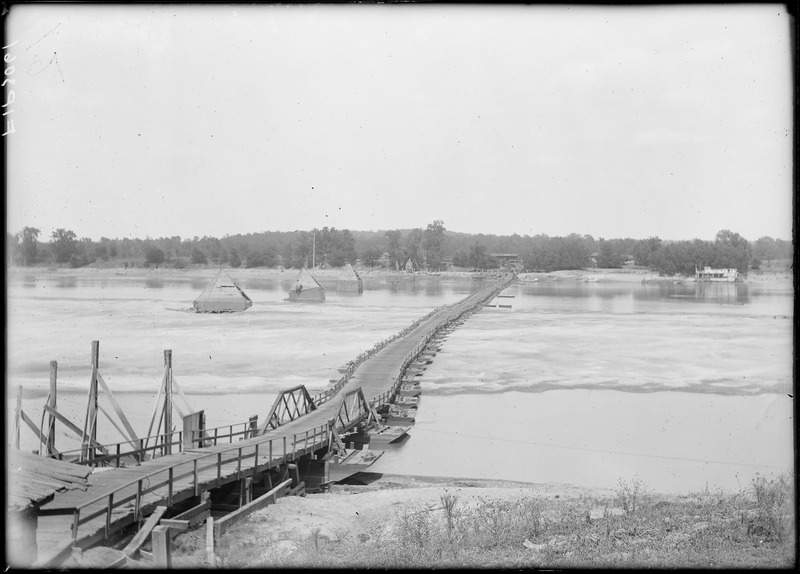
So, as the name also suggests, this bridge floats on the surface of the water. Most pontoon bridges are temporary and cannot be used in extremely cold weather (when the water starts to freeze). Floating bridges are useful for sheltered water-crossings where it is not considered economically feasible to have a permanent bridge. Usually a part of floating bridges can be elevated or it can be raised/removed so that all kinds of boats can pass through.
There was only one floating bridge between Pest and Buda from 1767 until the construction of the iconic Chain Bridge. This was the only way people could cross the Danube.


