Subscribe to our social channels to get the latest news about Hungary!


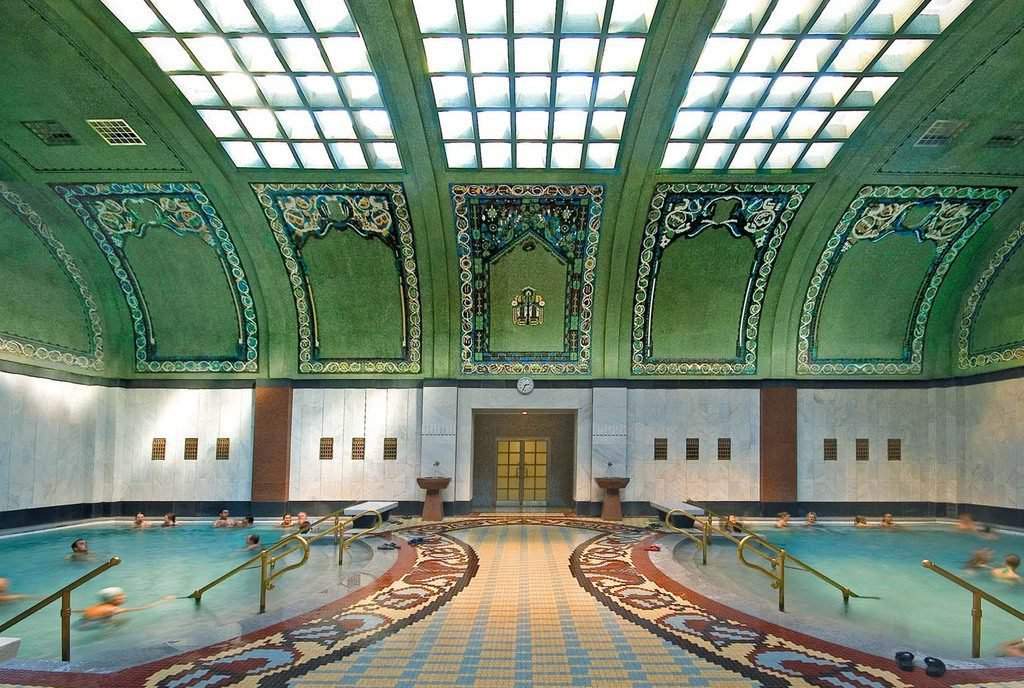
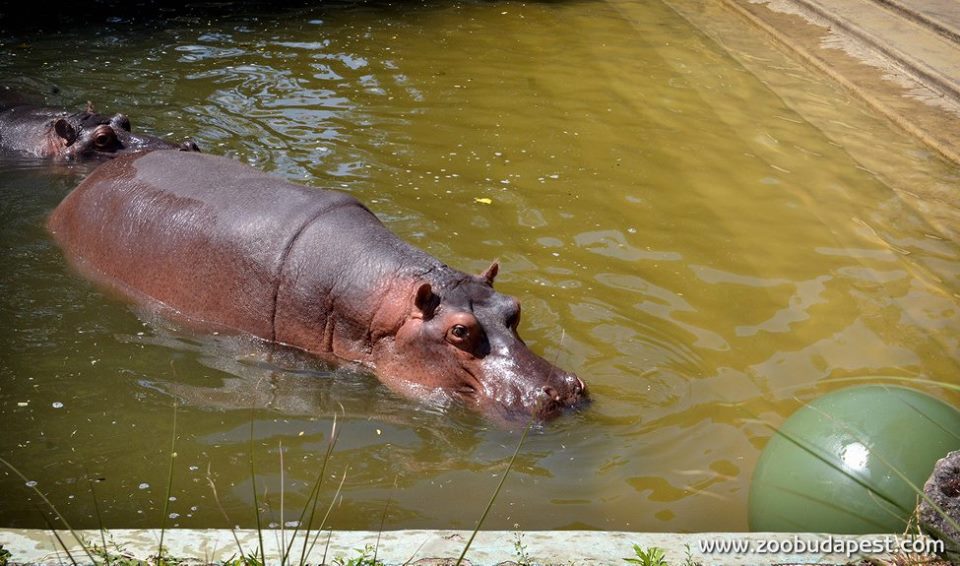
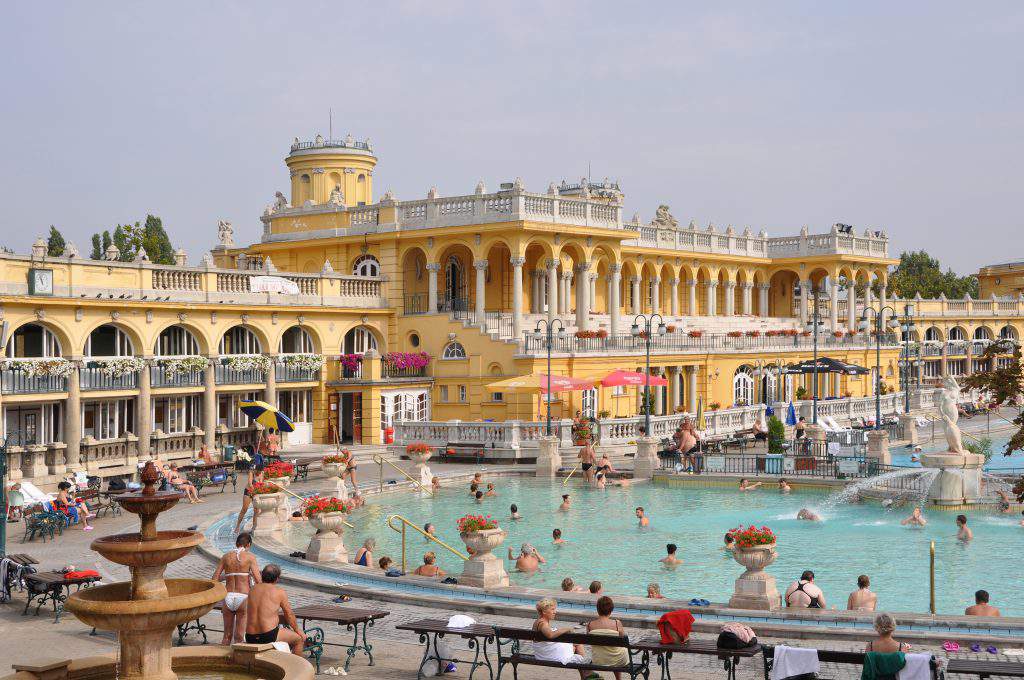
Hundreds of articles have been written about the ancient thermal waters of Budapest, many amazing photos were taken at these places, but there is much more to them than their beauty. For instance, the hippos too are splashing in the waters of Széchenyi Bath.
Termálfürdő.hu has collected seven of the most exciting stories about the baths of Budapest that you might not want to miss. Let us dive deep into history.
1 Lukács Bath was built in the 12th century by the Saint John knighthood when they were stationed in Hungary, curing people. During the Ottoman invasion, Mustafa Pasha had the bath expanded in the 16th century, using the water not only for bathing but also for manufacturing gunpowder and for operating a mill.
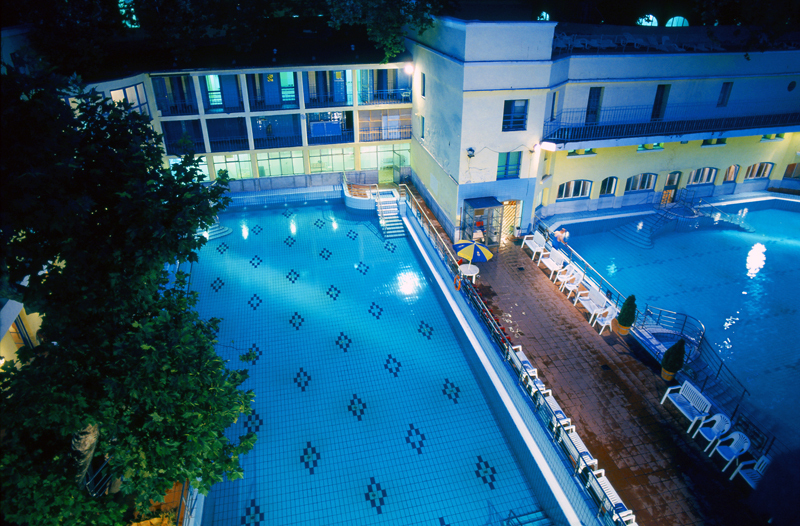
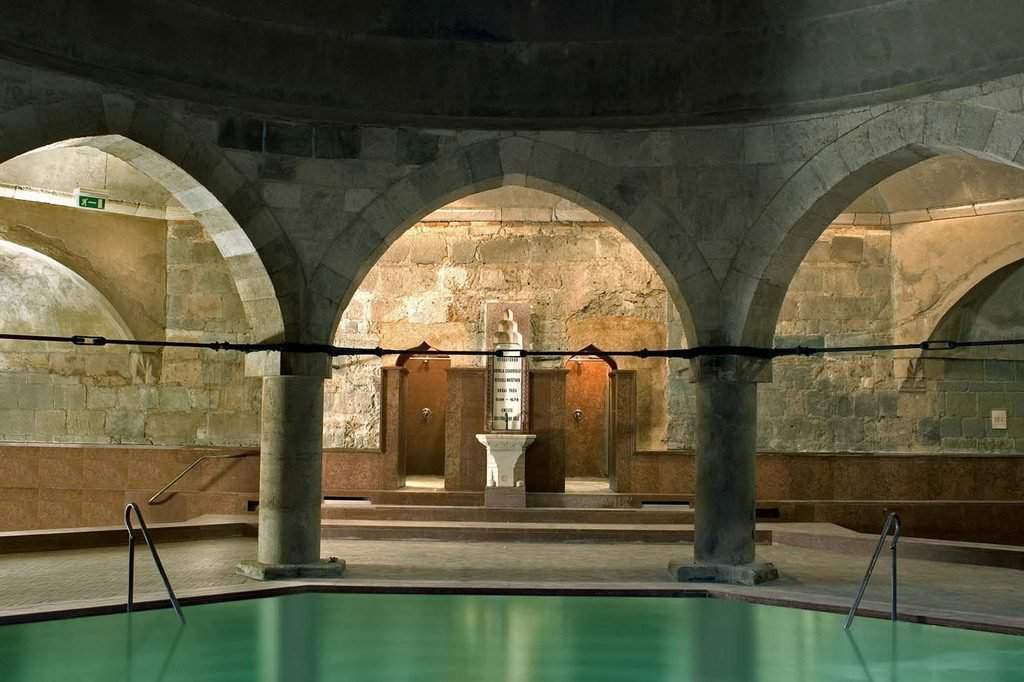
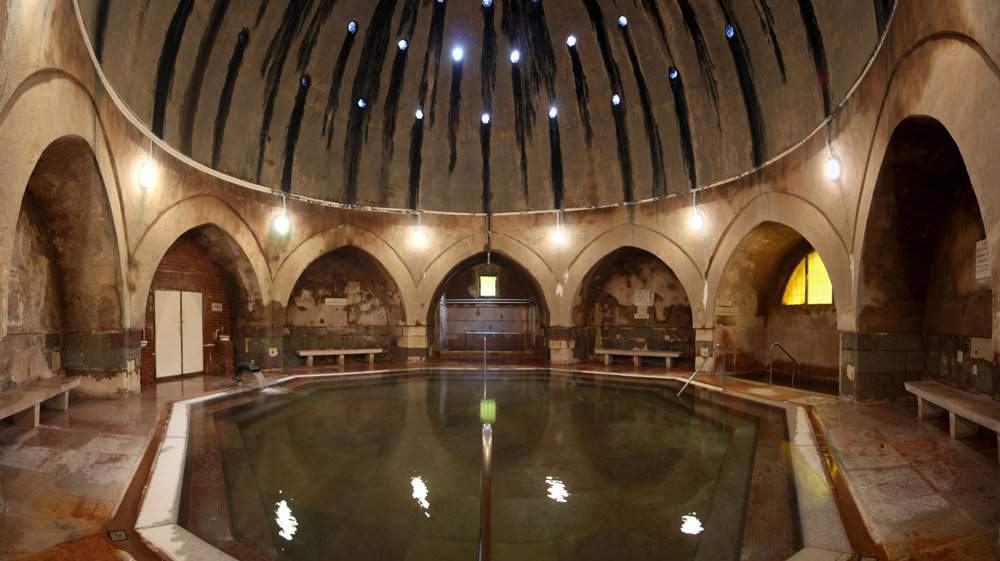
2 The waters of the Lukács Bath were used for another purpose too: the water for the authentic Turkish Király Bath is supplied by the Lukács waters, ever since it was built in 1565. Király Bath, located inside the castle walls, was not built near a spring, so the Turks had made a water-conduit connecting Lukács Bath with the castle, despite the energy and money it cost. This endeavour goes to show how much the Turks loved bathing – they were not willing to give up this relaxing activity just because of a siege.
3 If you are looking for a thermal adventure, head to the Széchenyi Thermal Baths, where you can soak yourself in beer. Well, not quite literally, as the thermal water is infused with hop, malt and yeast, the main ingredients that you would need to brew beer. Even though this is a new trend in Hungary, the custom of beer-bathing goes back centuries in other parts of the world.
4 Termálfürdő.hu argues that even though the Római Beach is rarely listed among the historical baths of Budapest, its waters were commonly used already back in the 15th-16th centuries. Moreover, it is not a mere coincidence that it was named after the Romans: in the 2nd century, the Romans had built a bath on the Danube bank, where the Római Beach is located today. The region surrounding the spring was considered a sacred place and even a shrine was built here, archaeologists found the remains of which.